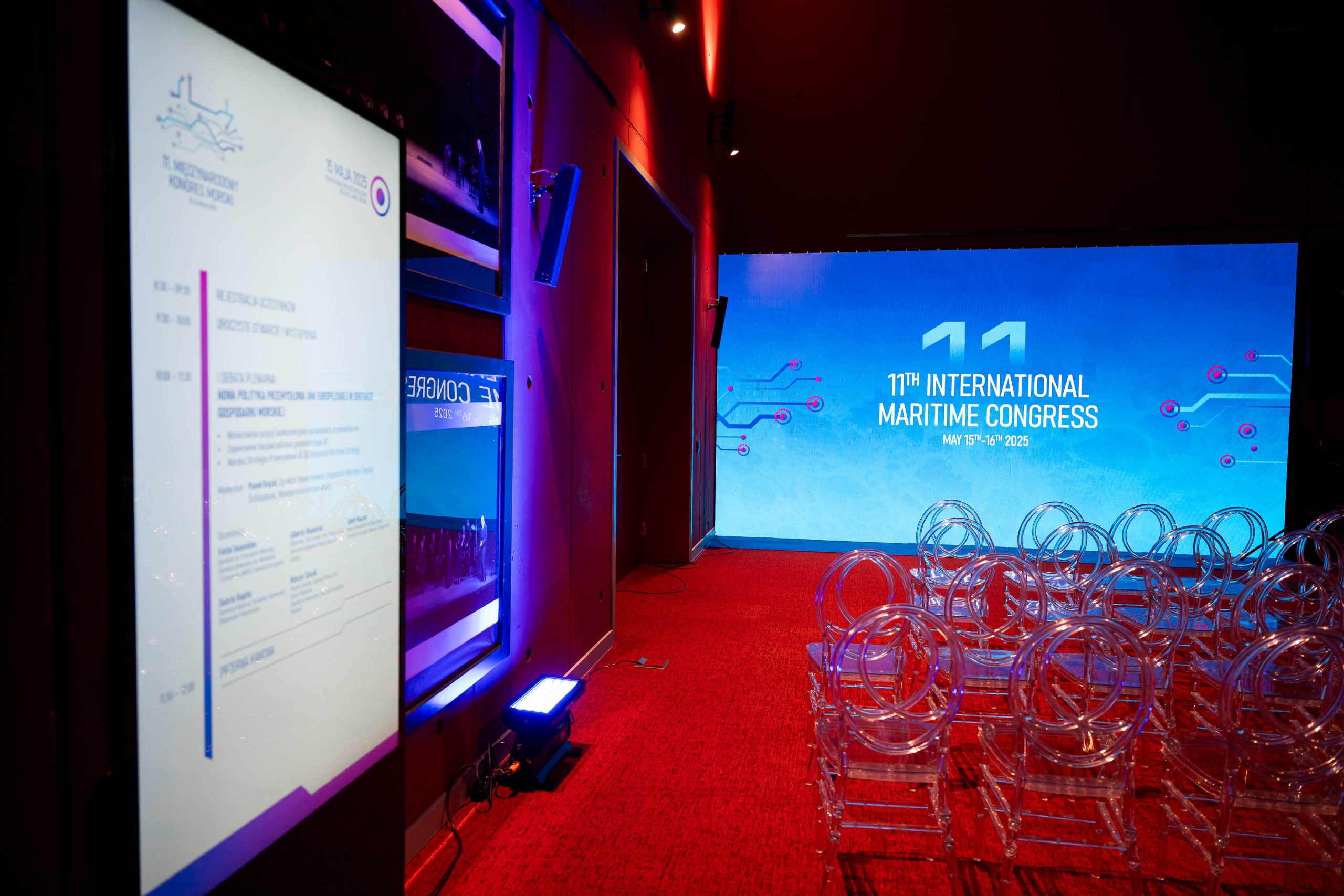
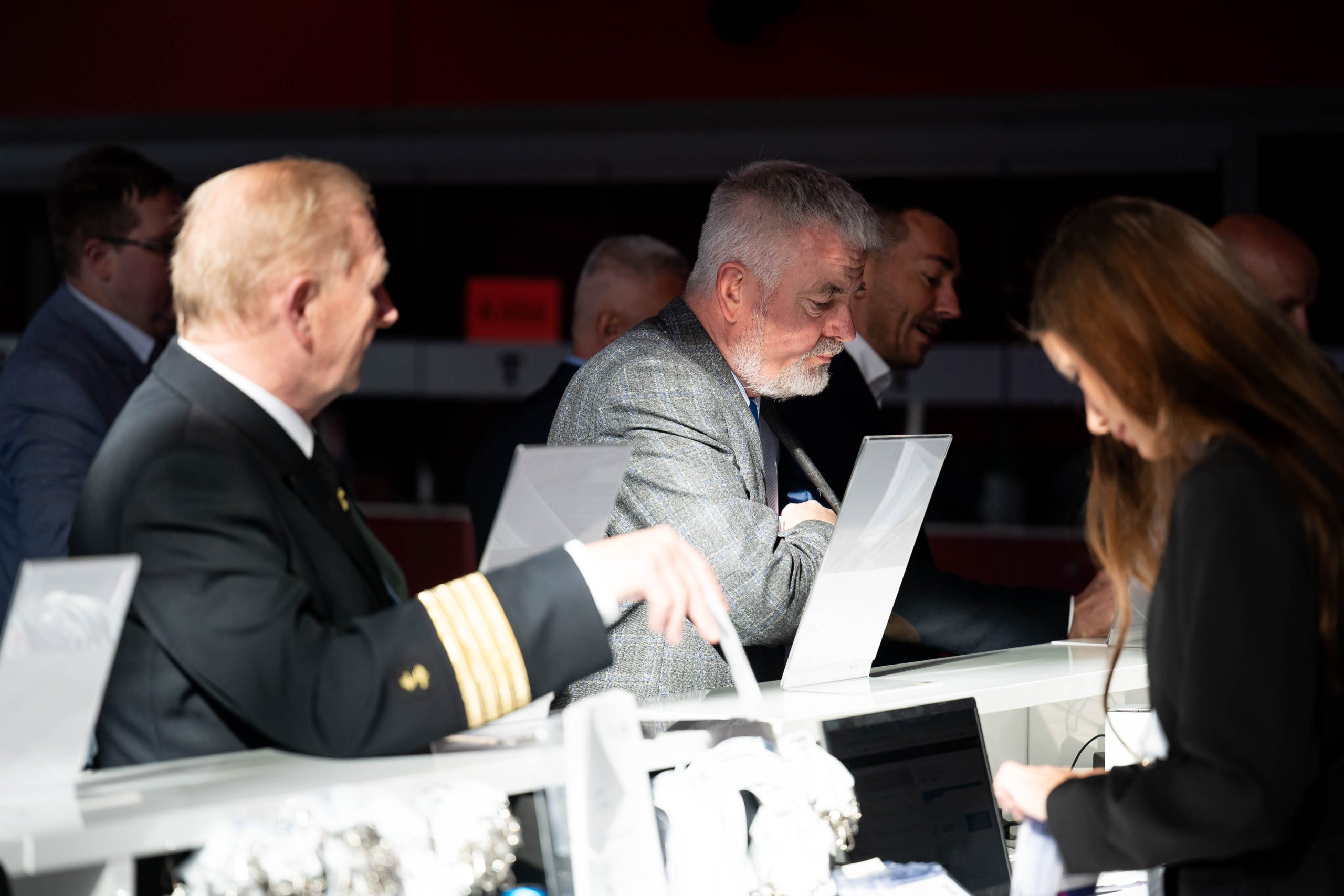
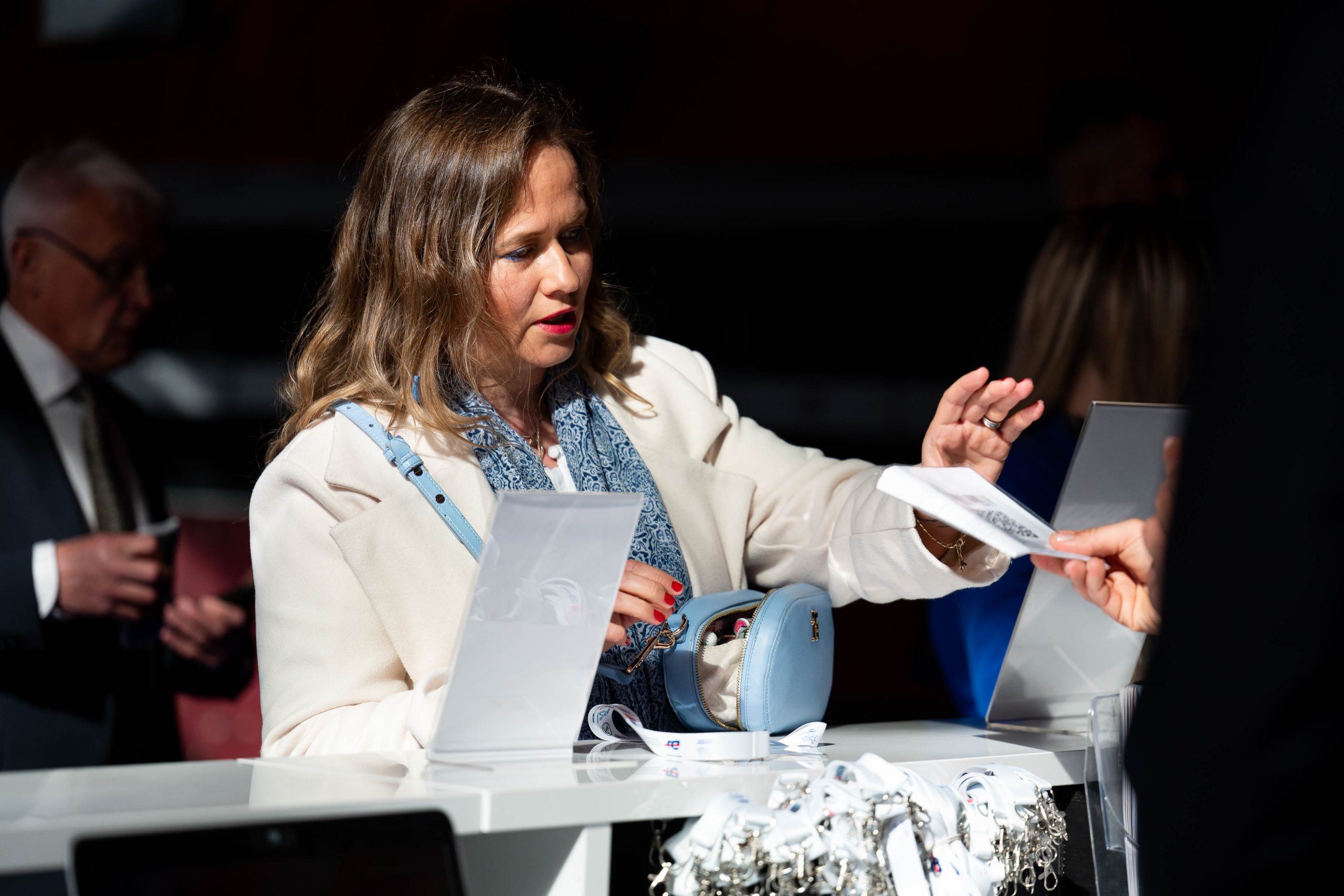
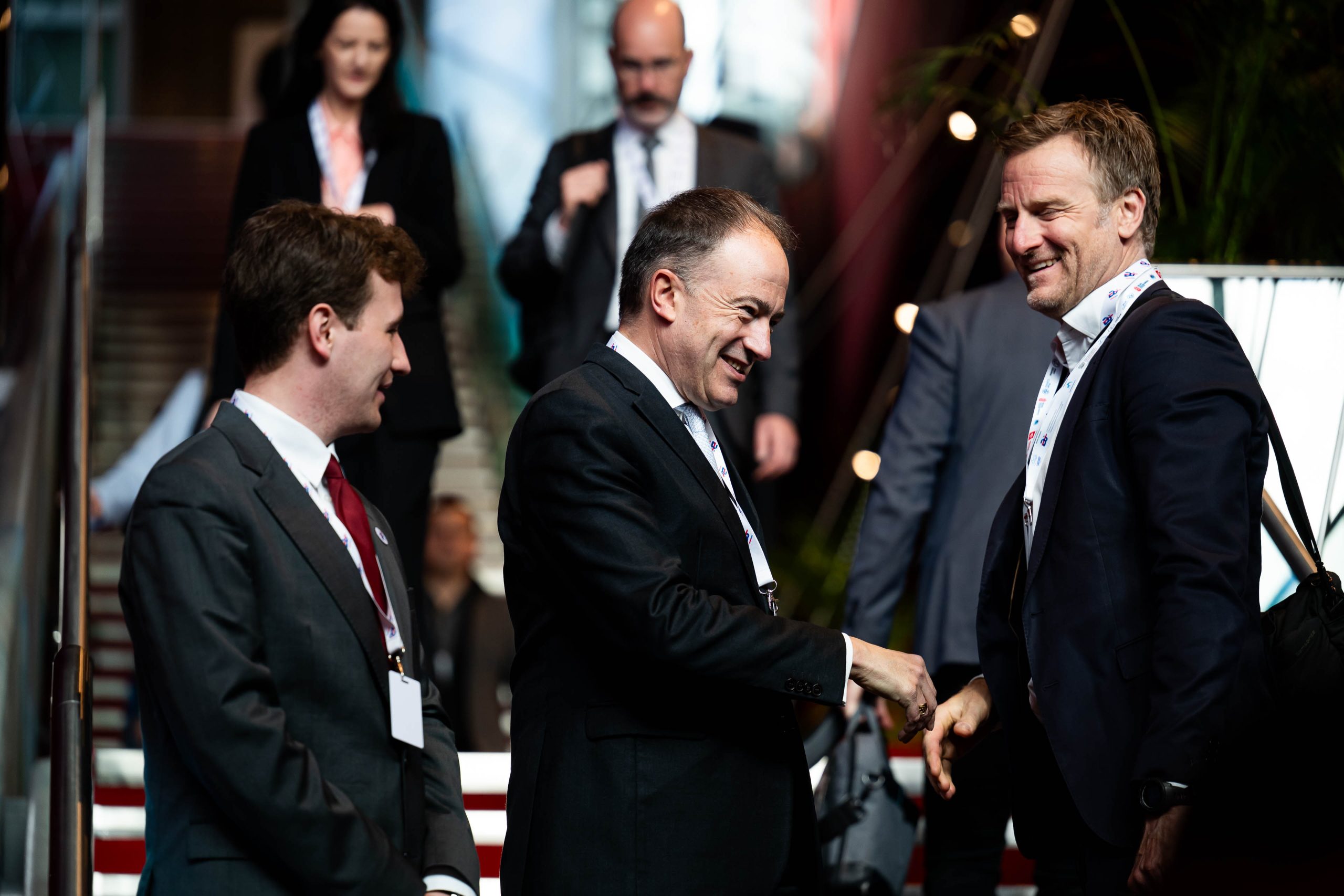
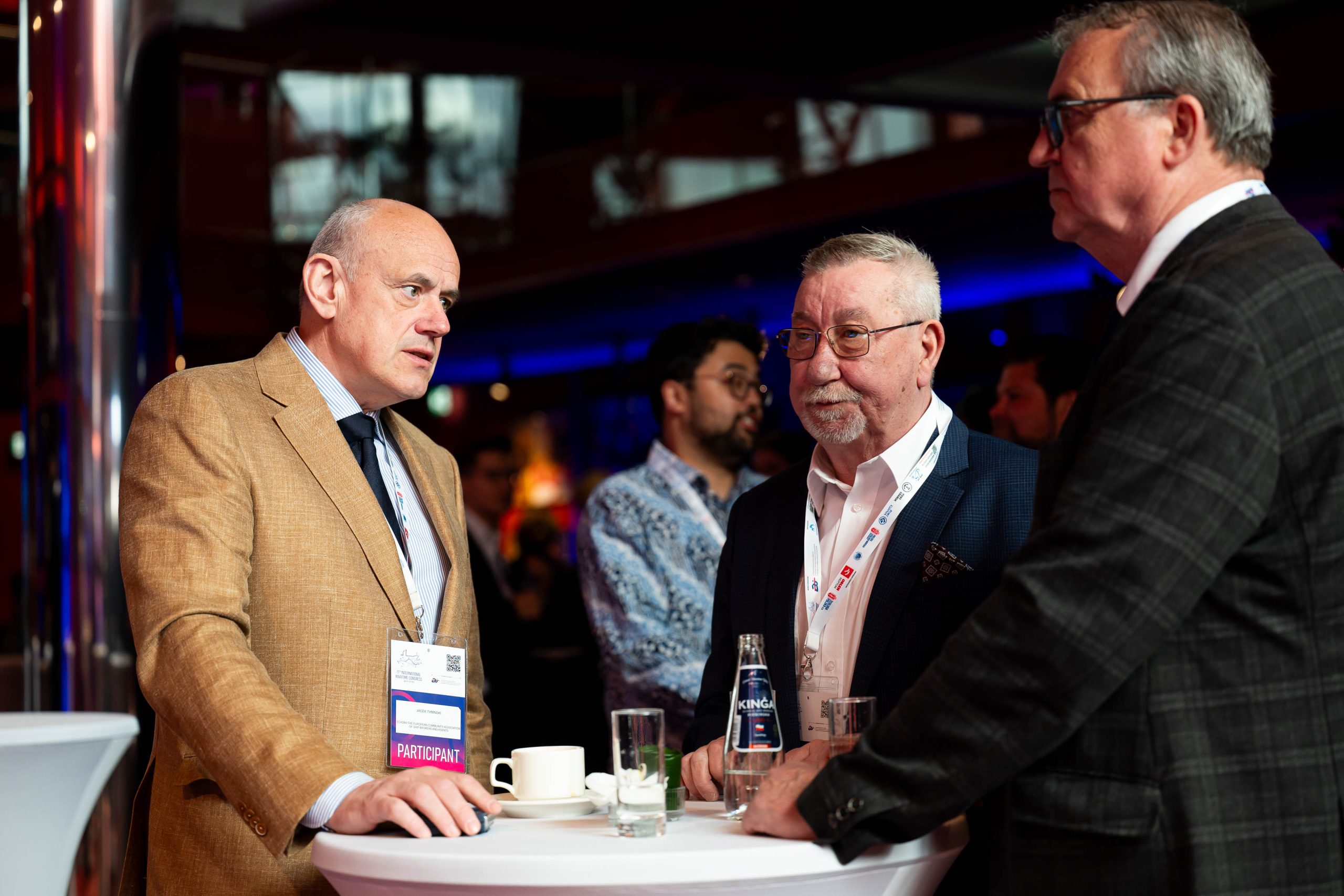
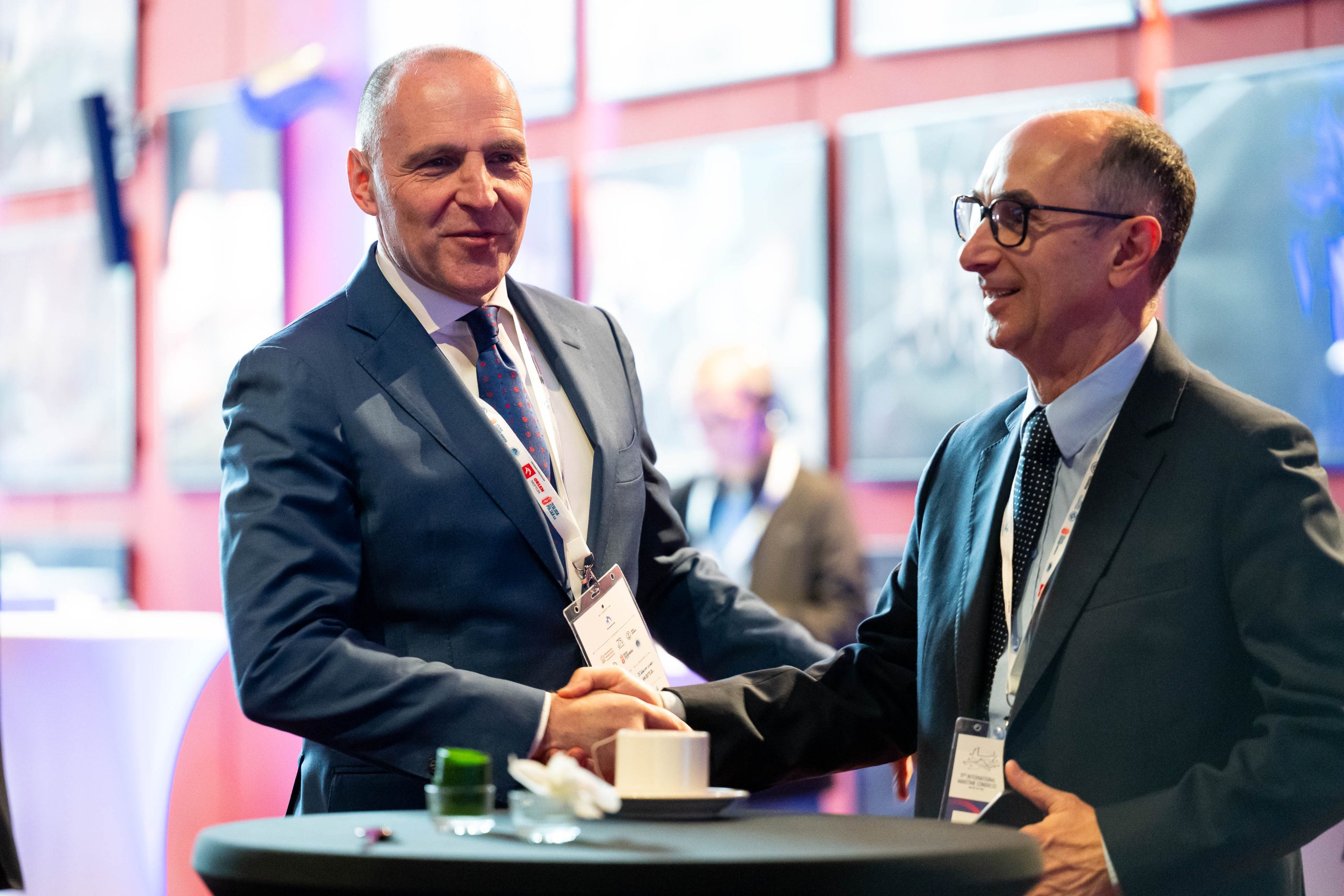
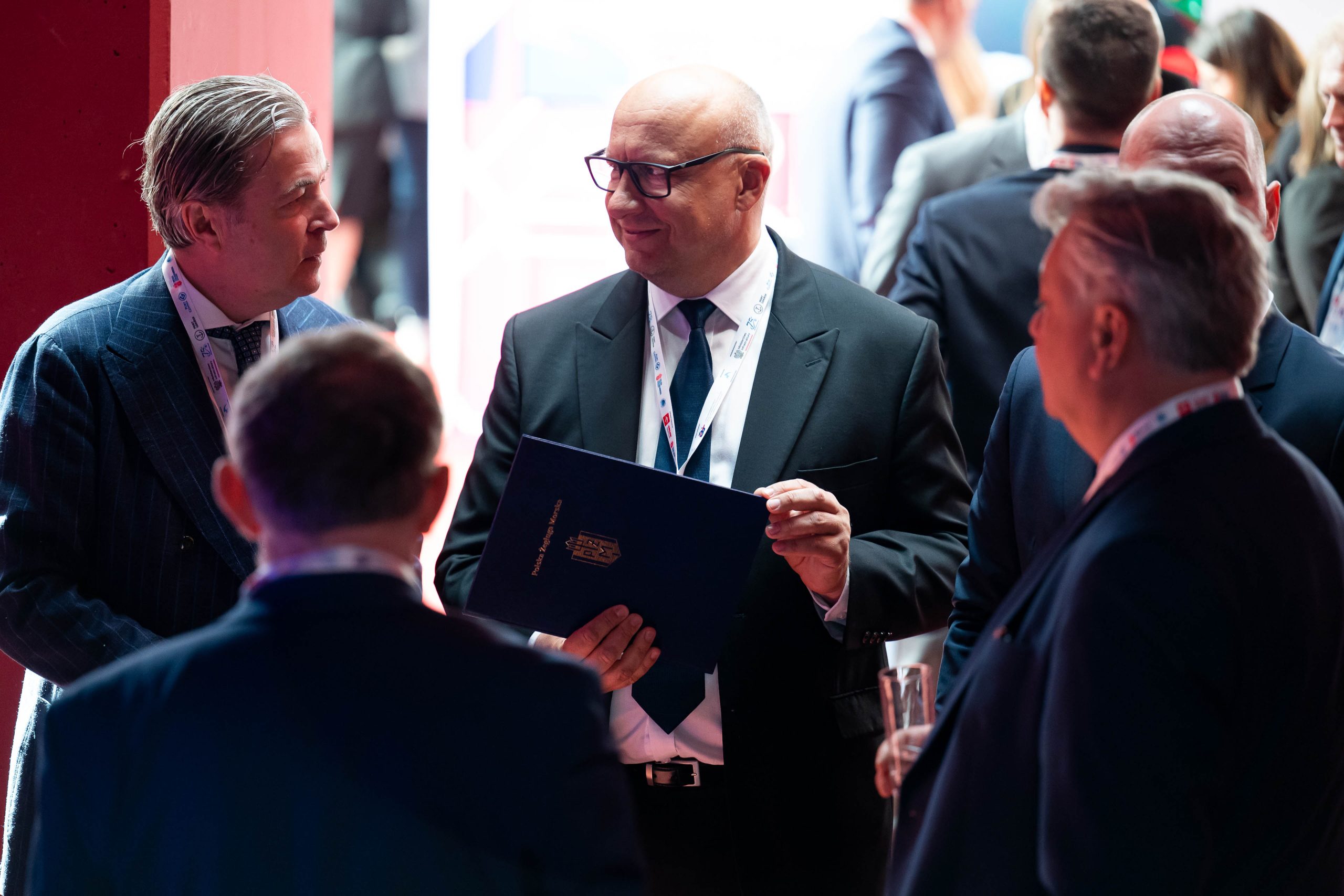
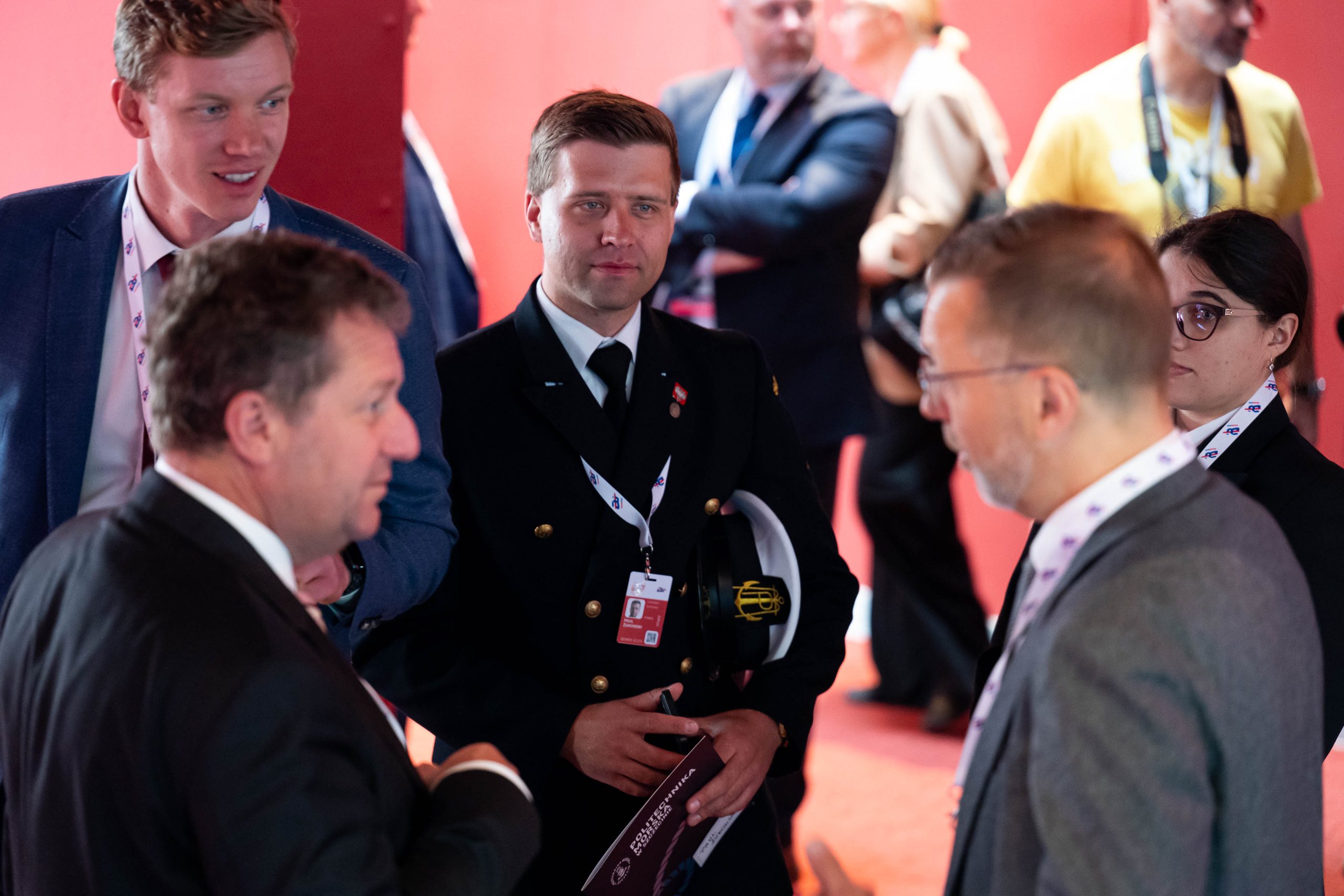
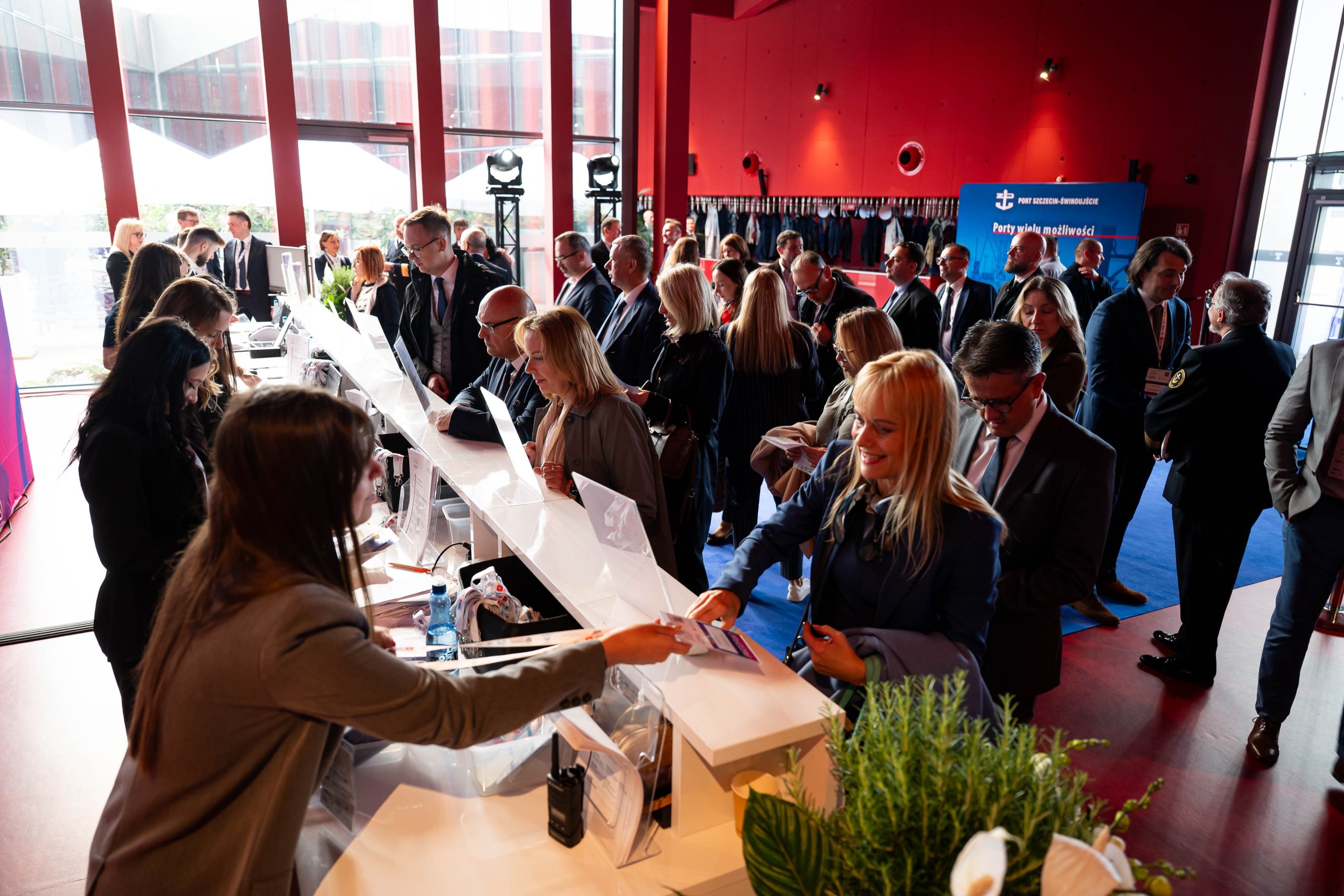
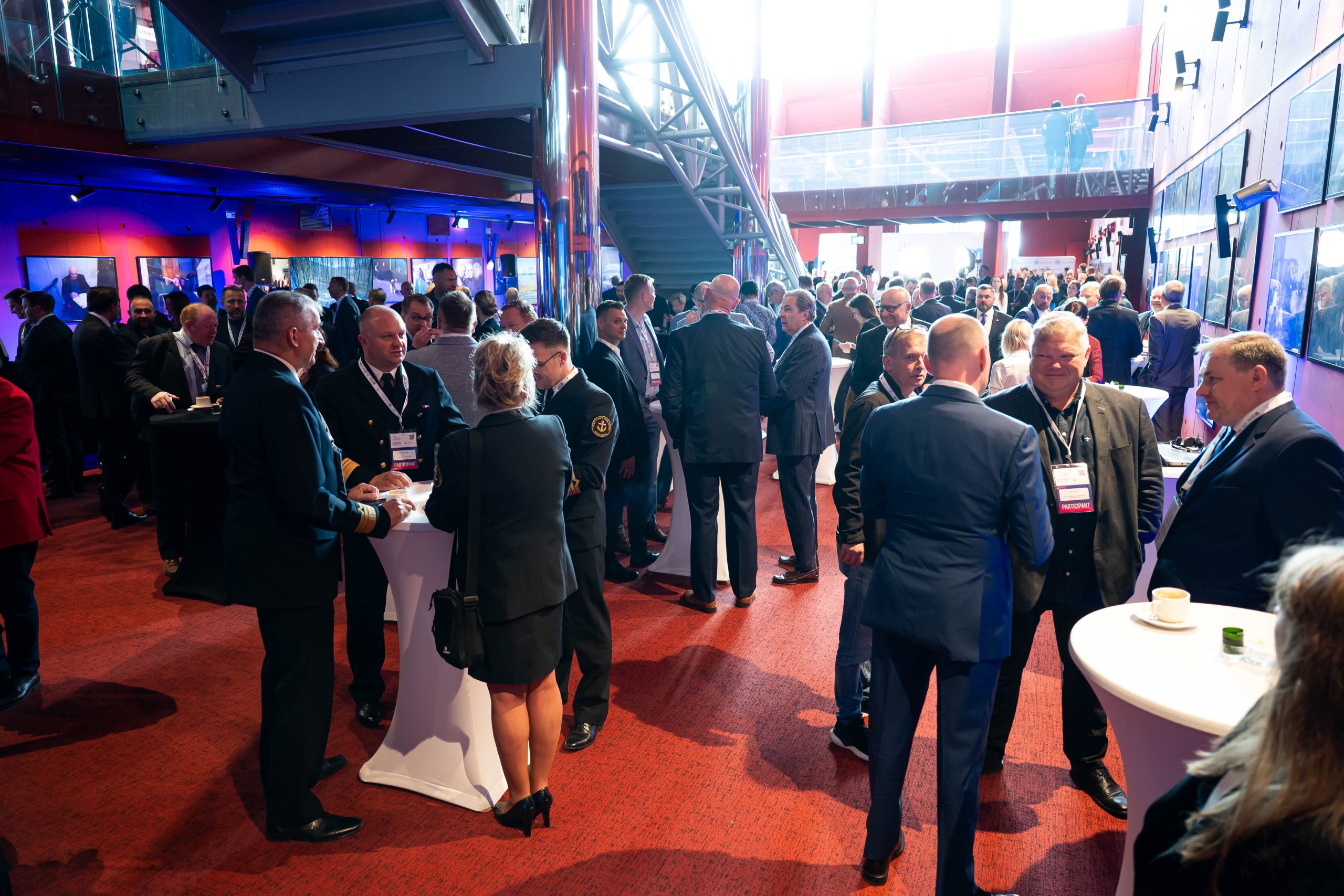
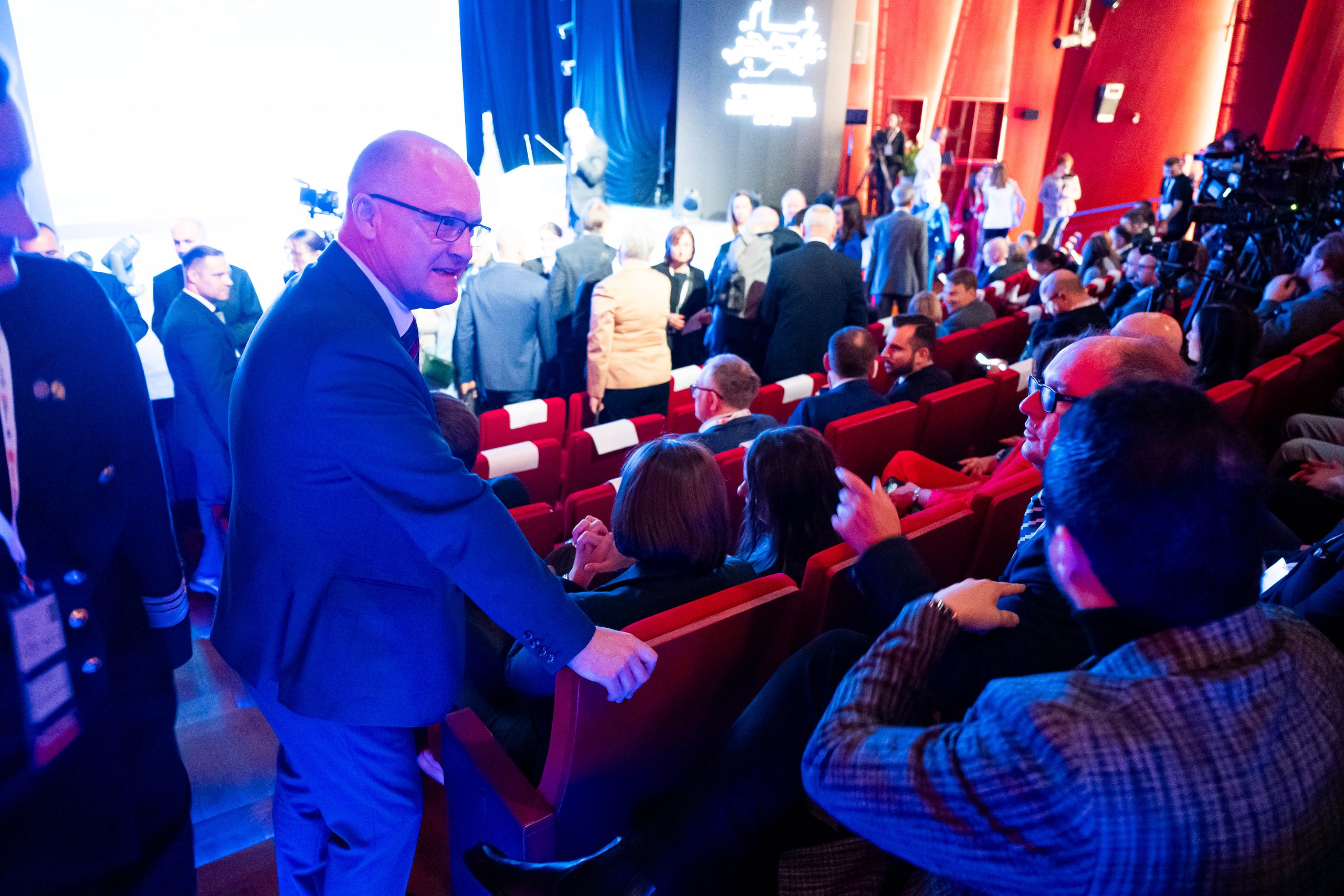
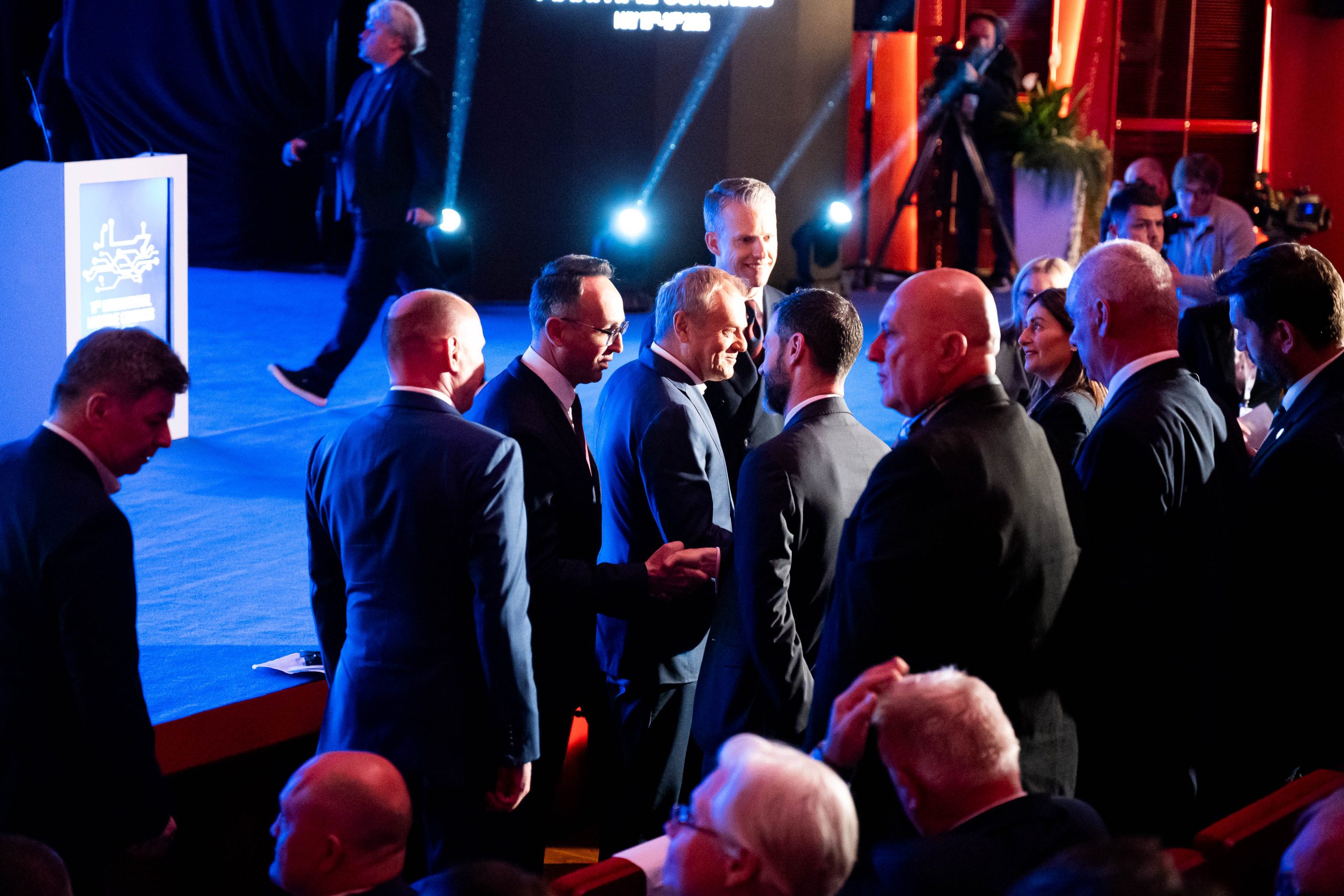
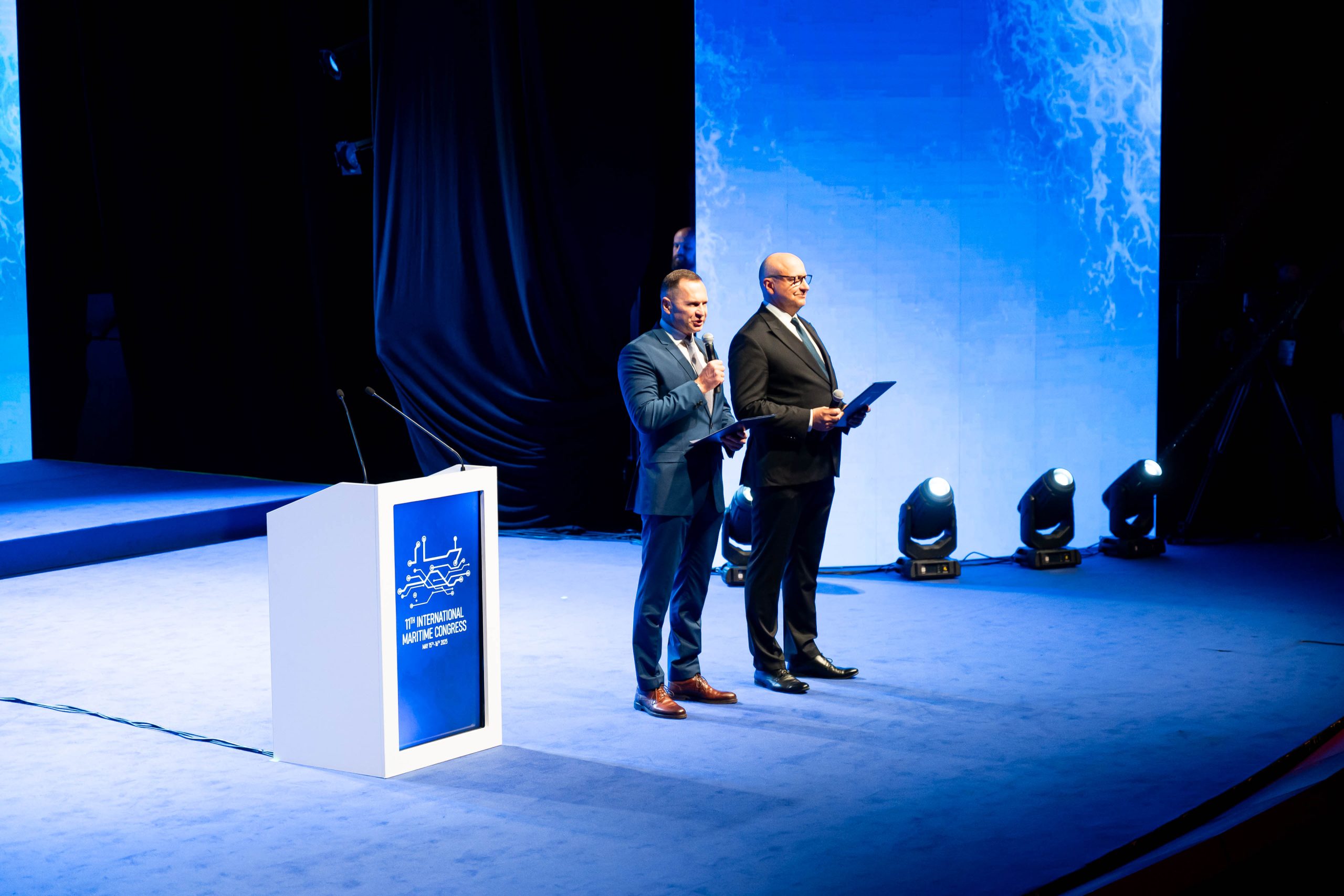
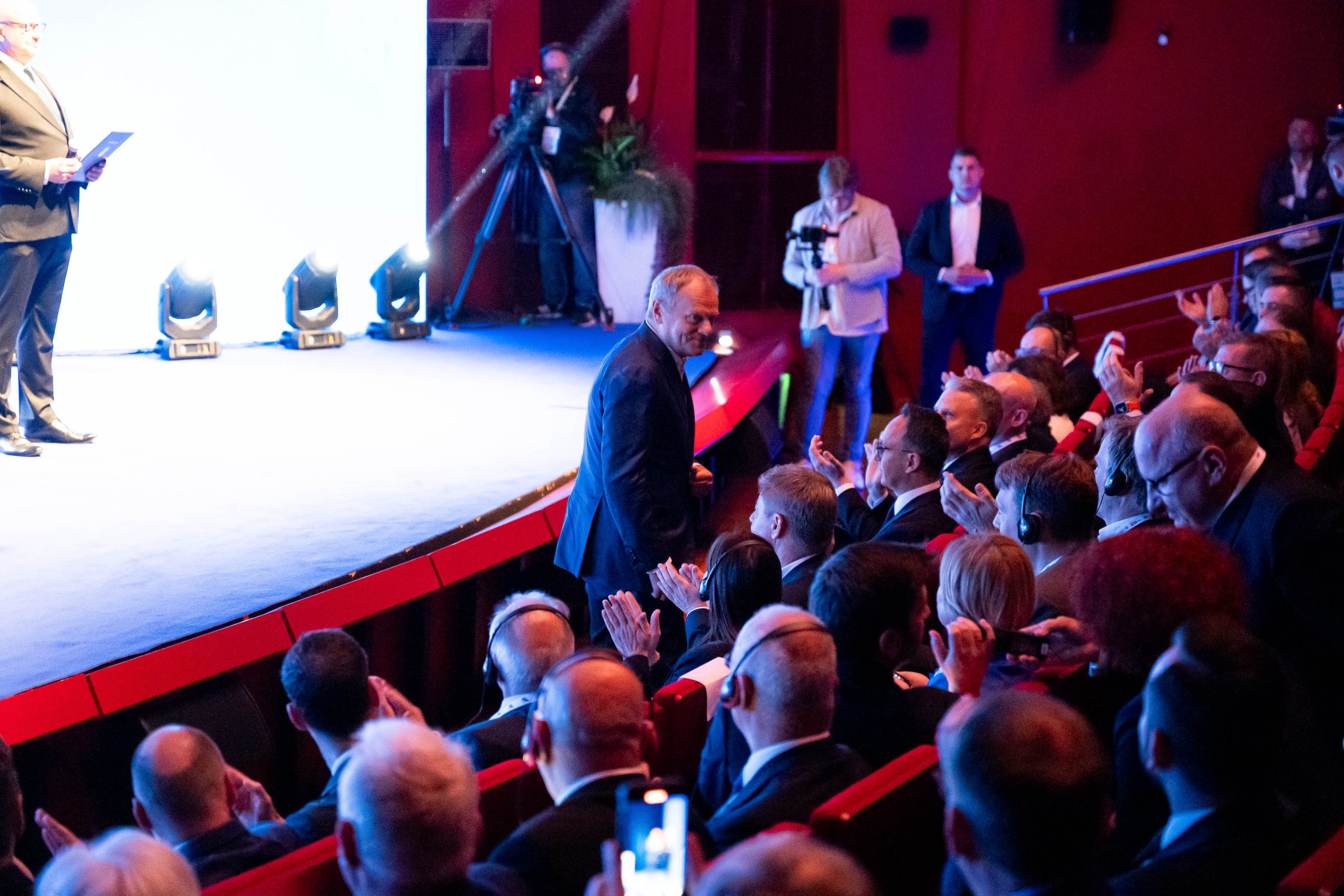
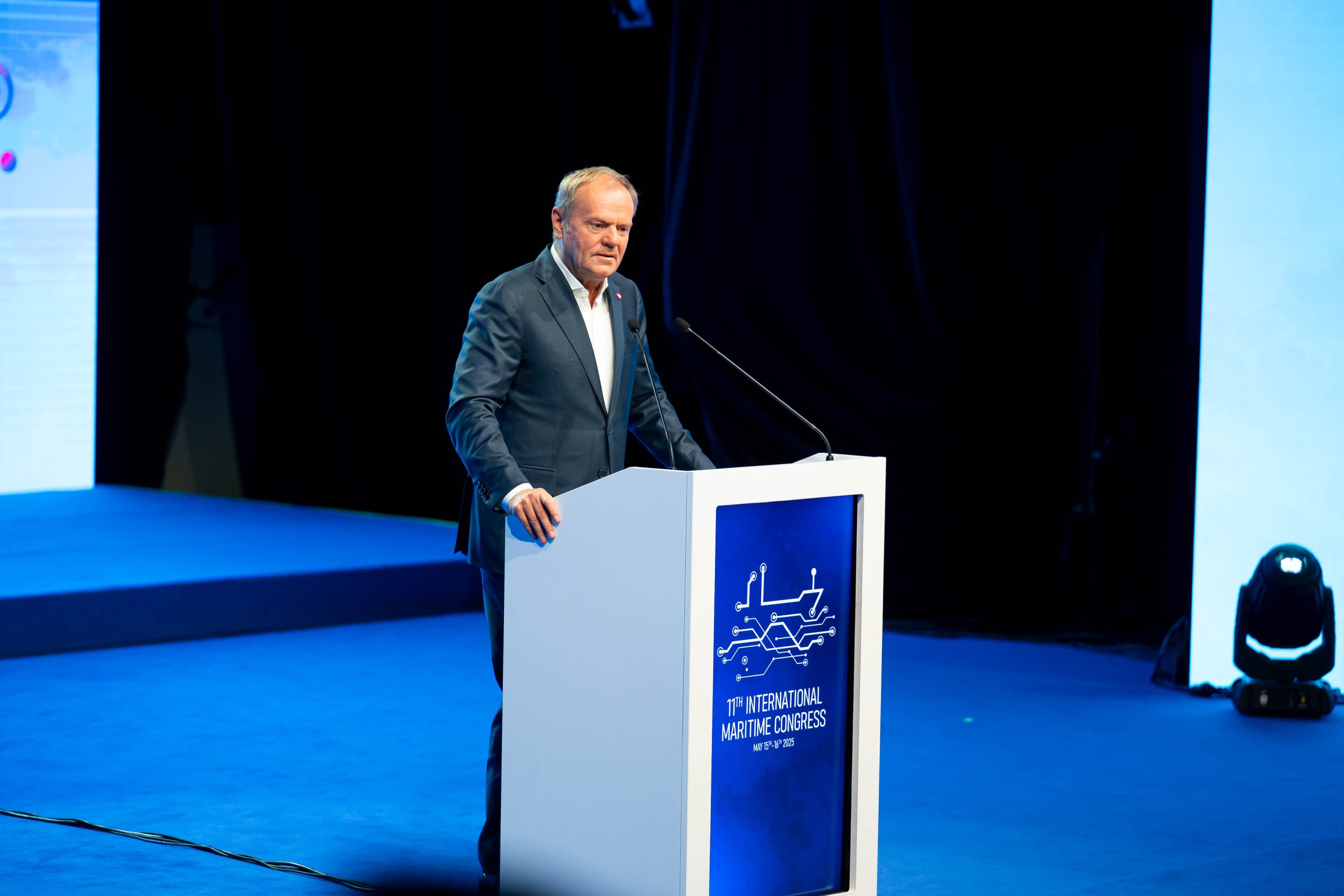
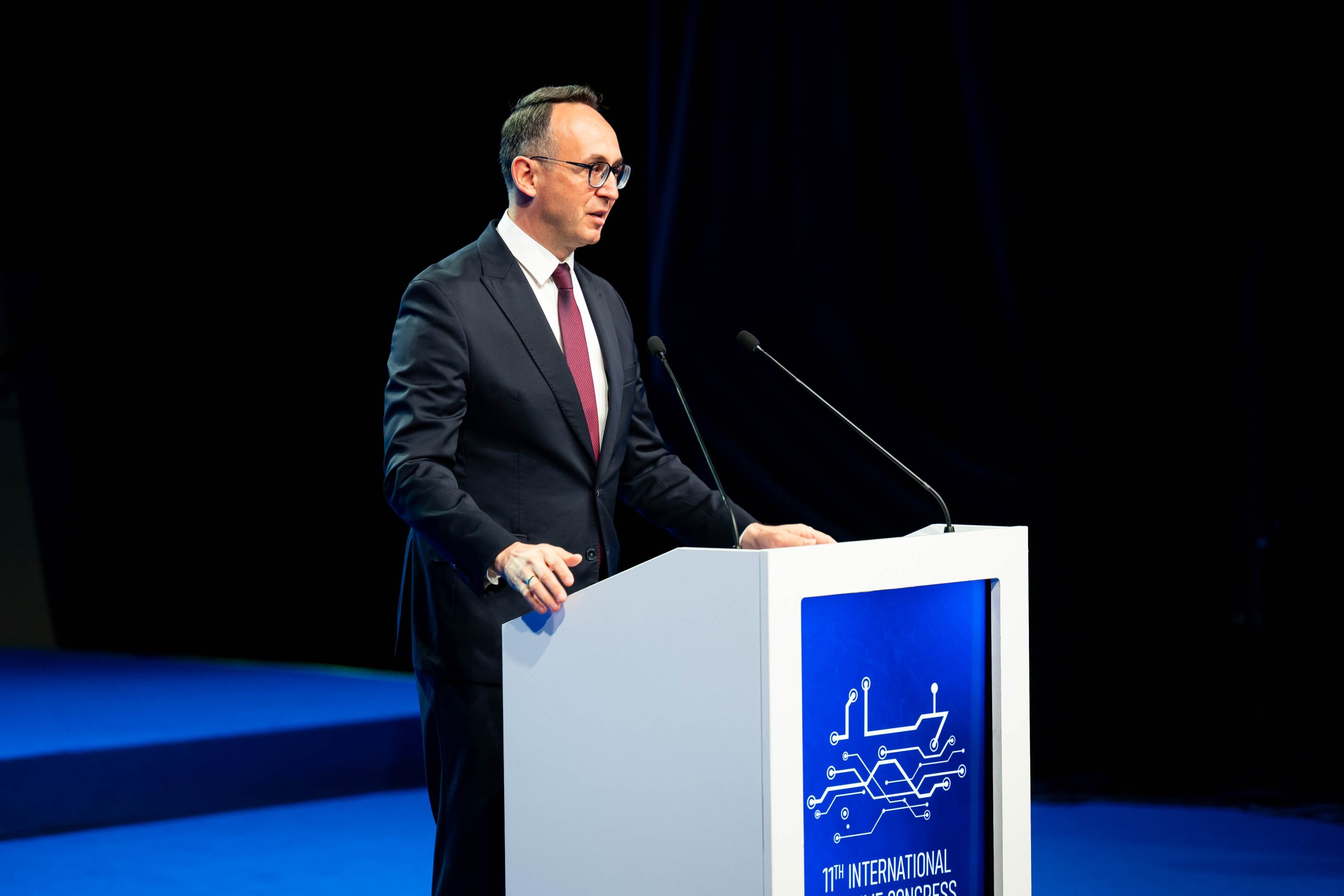
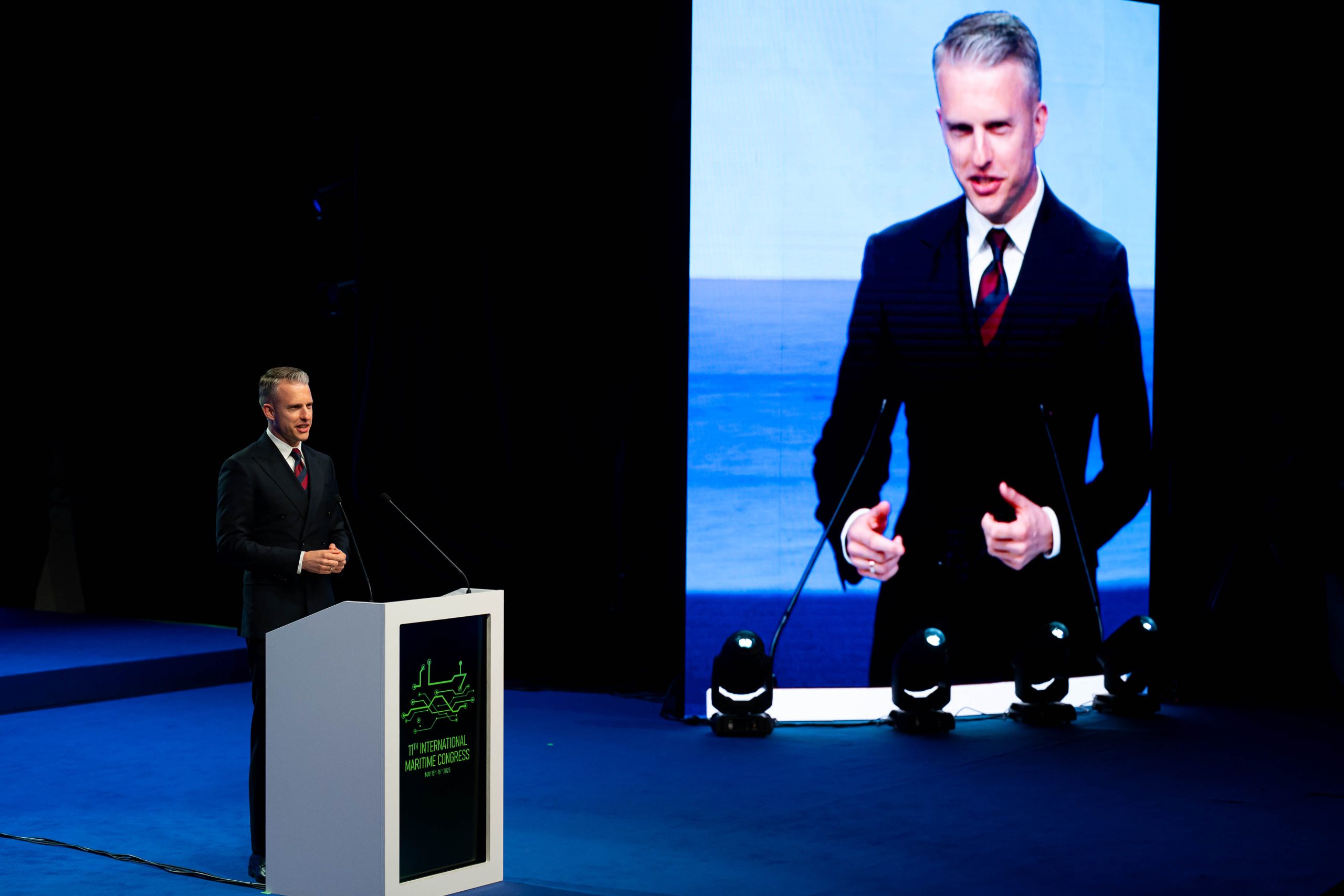
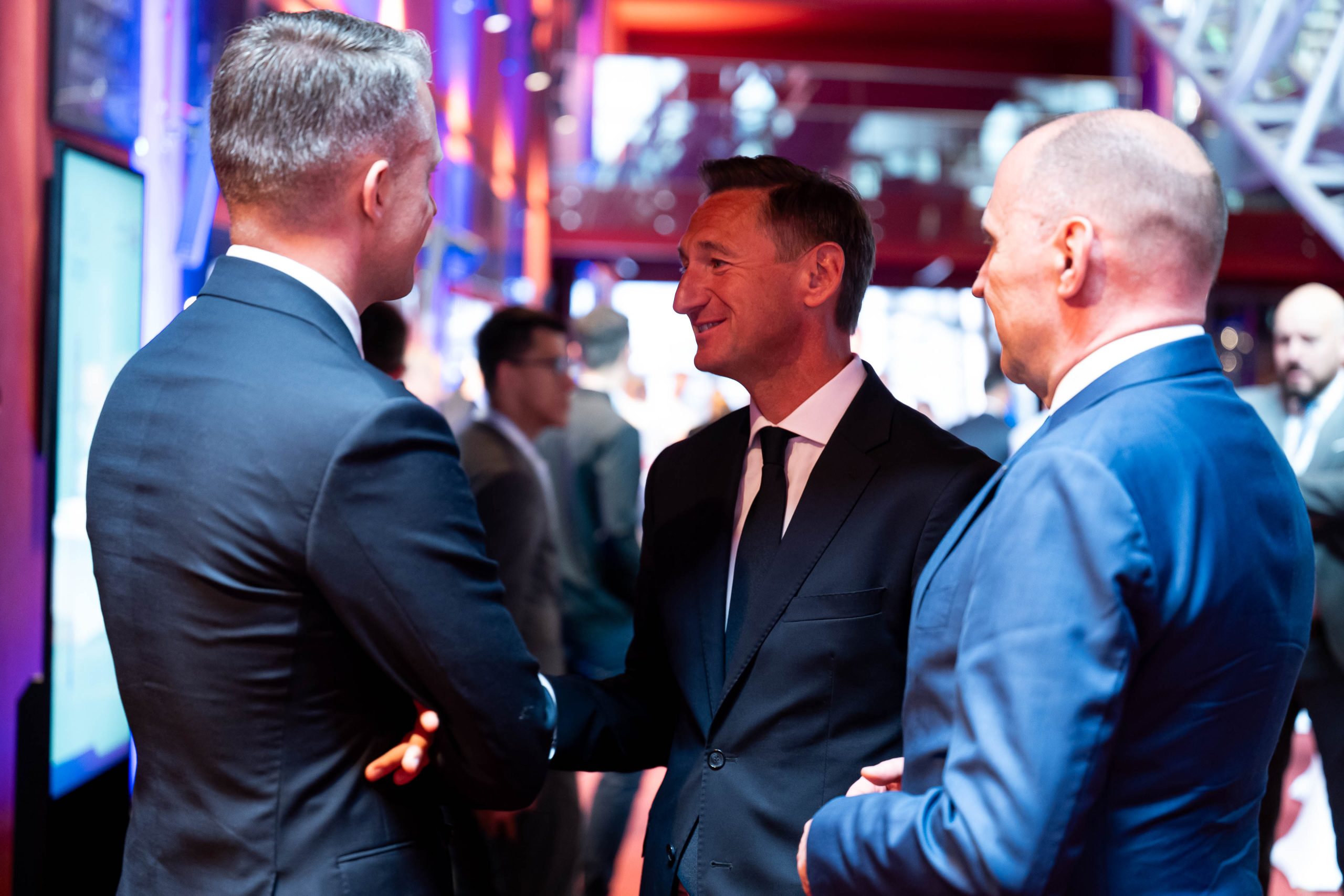
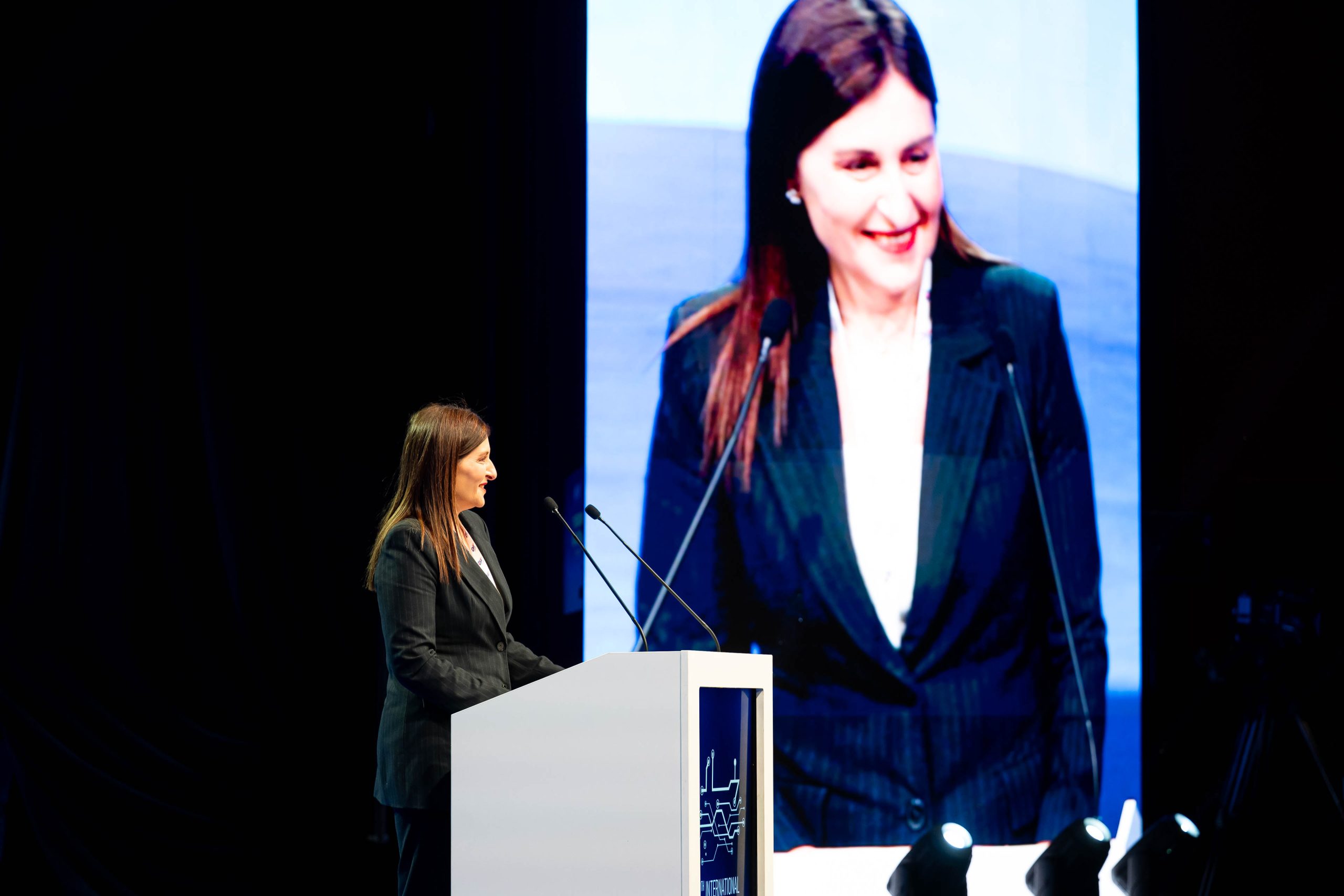
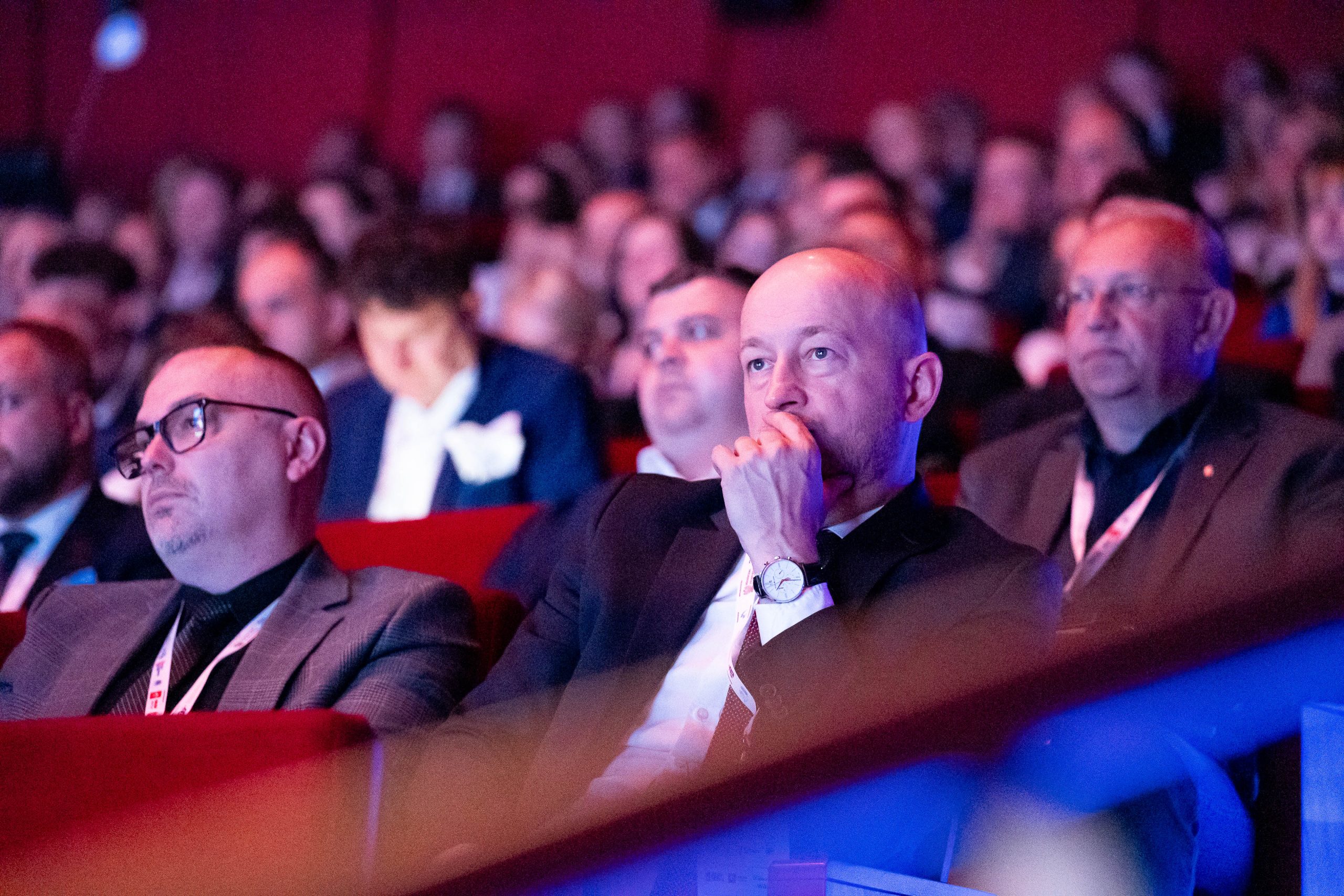
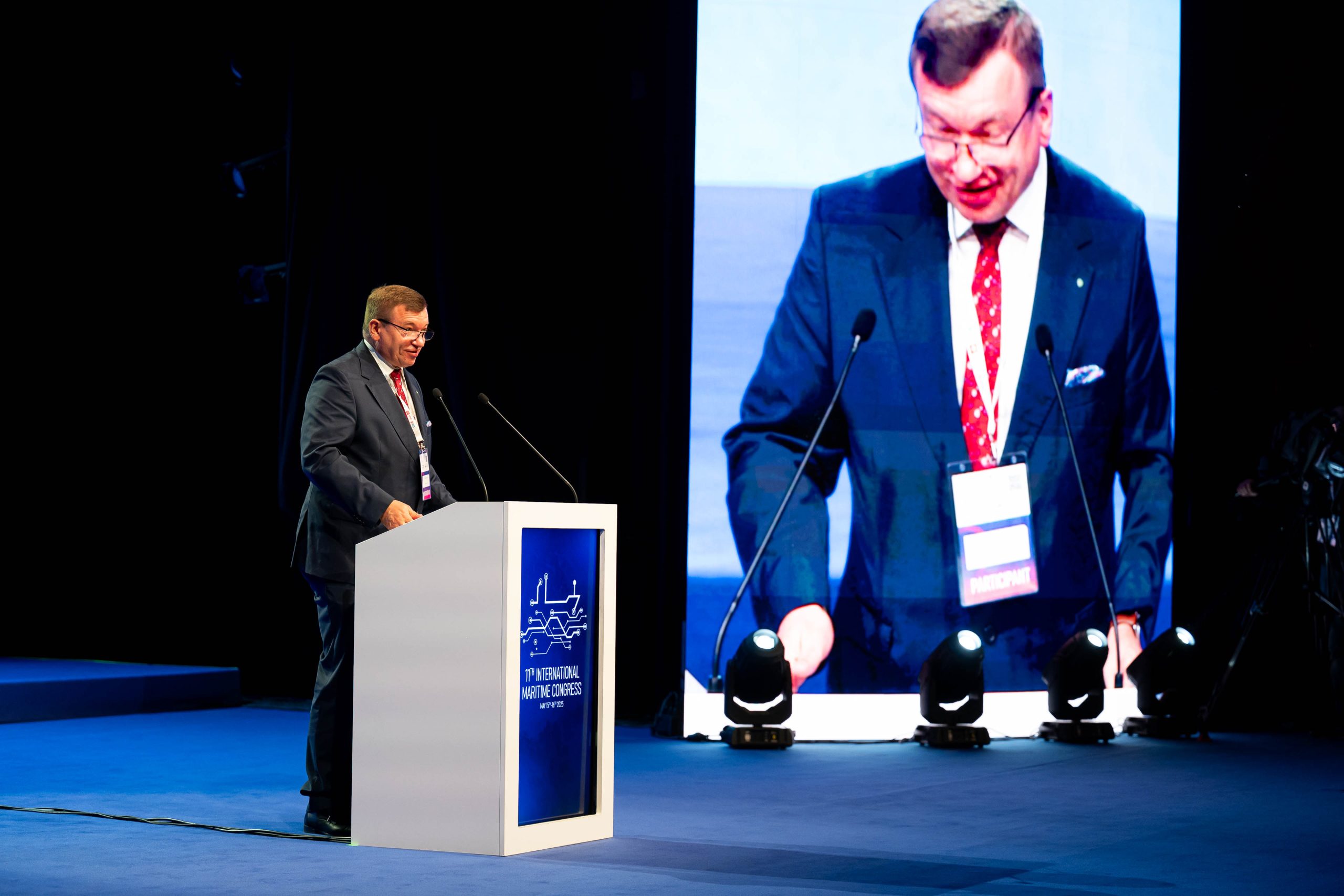
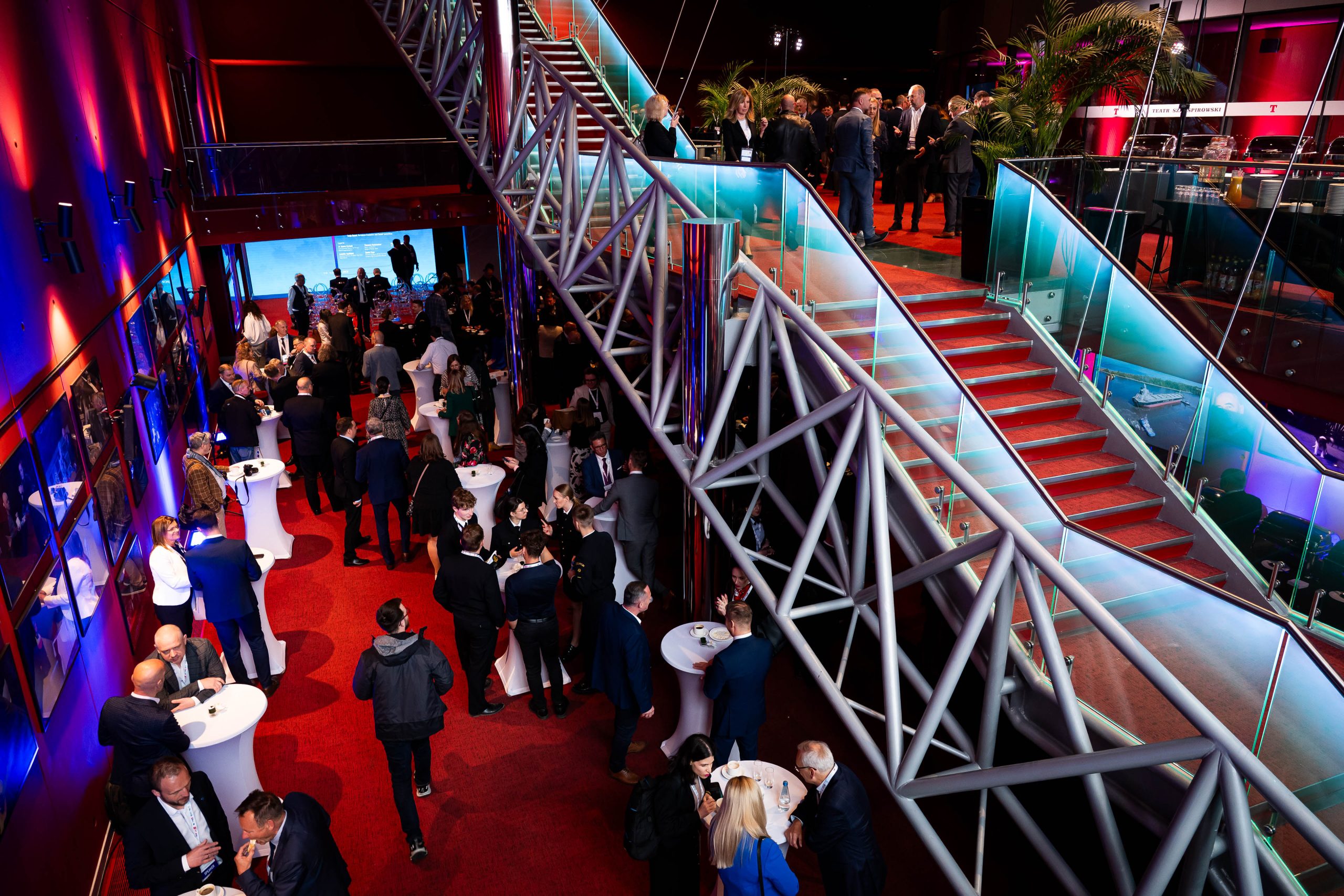
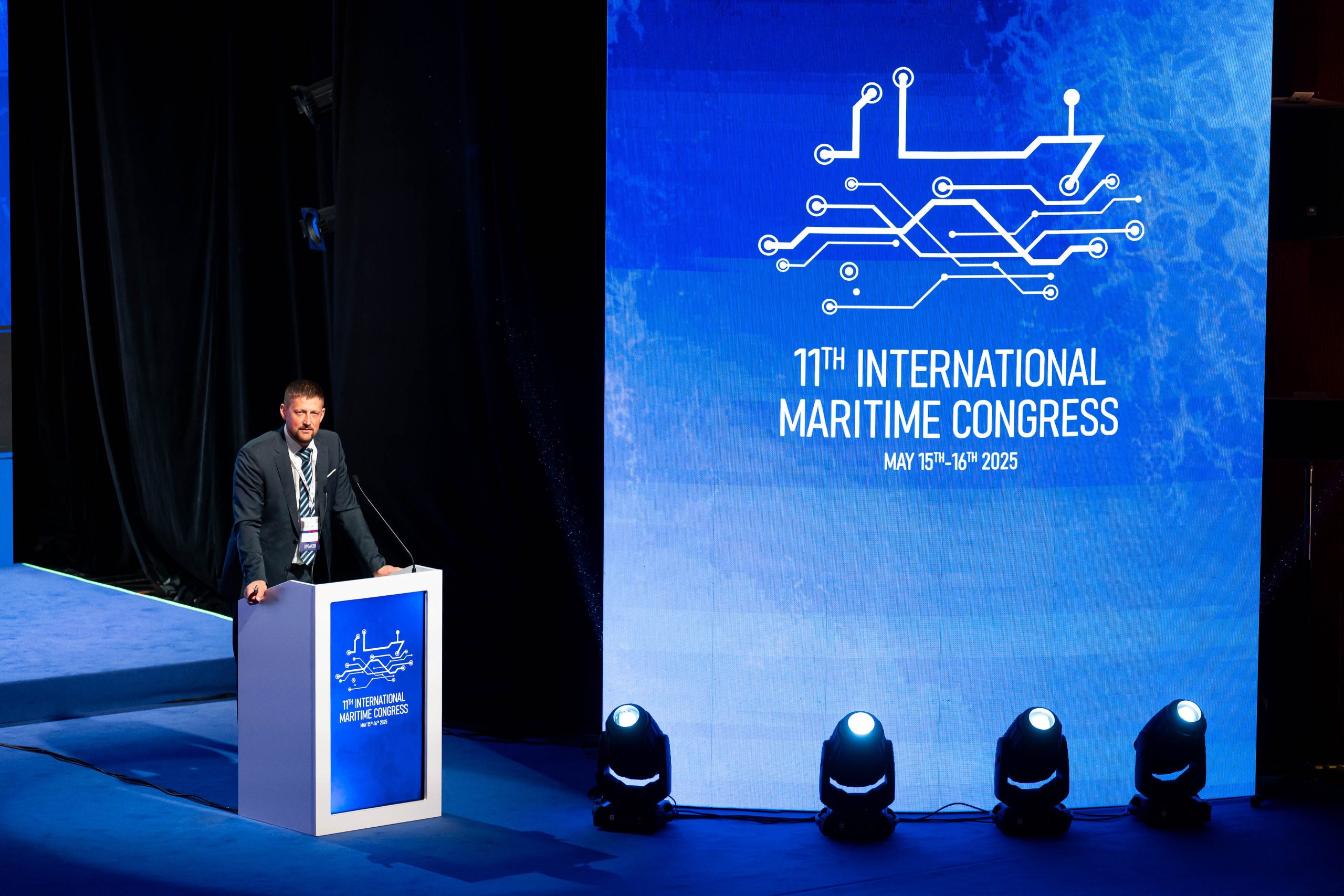
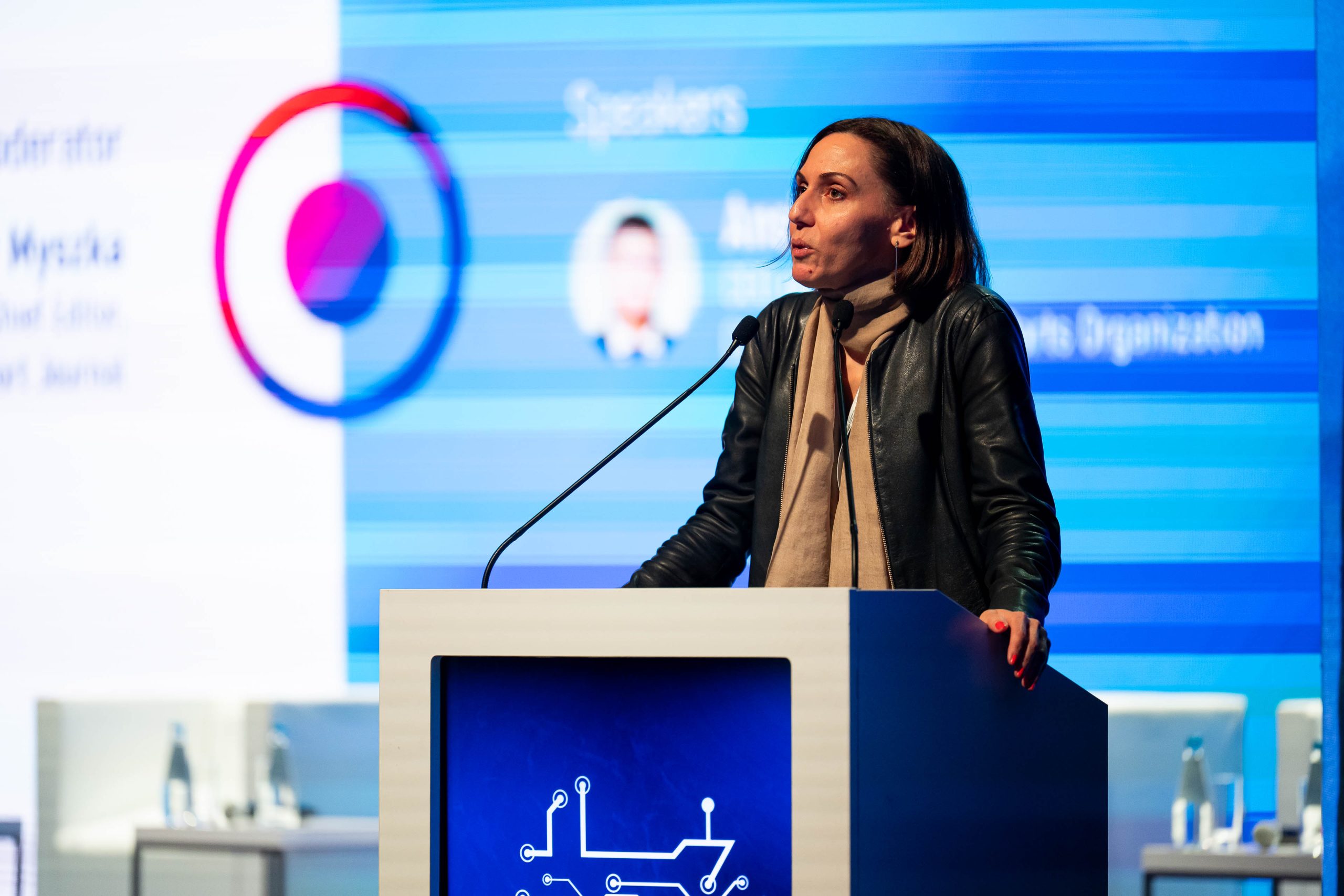
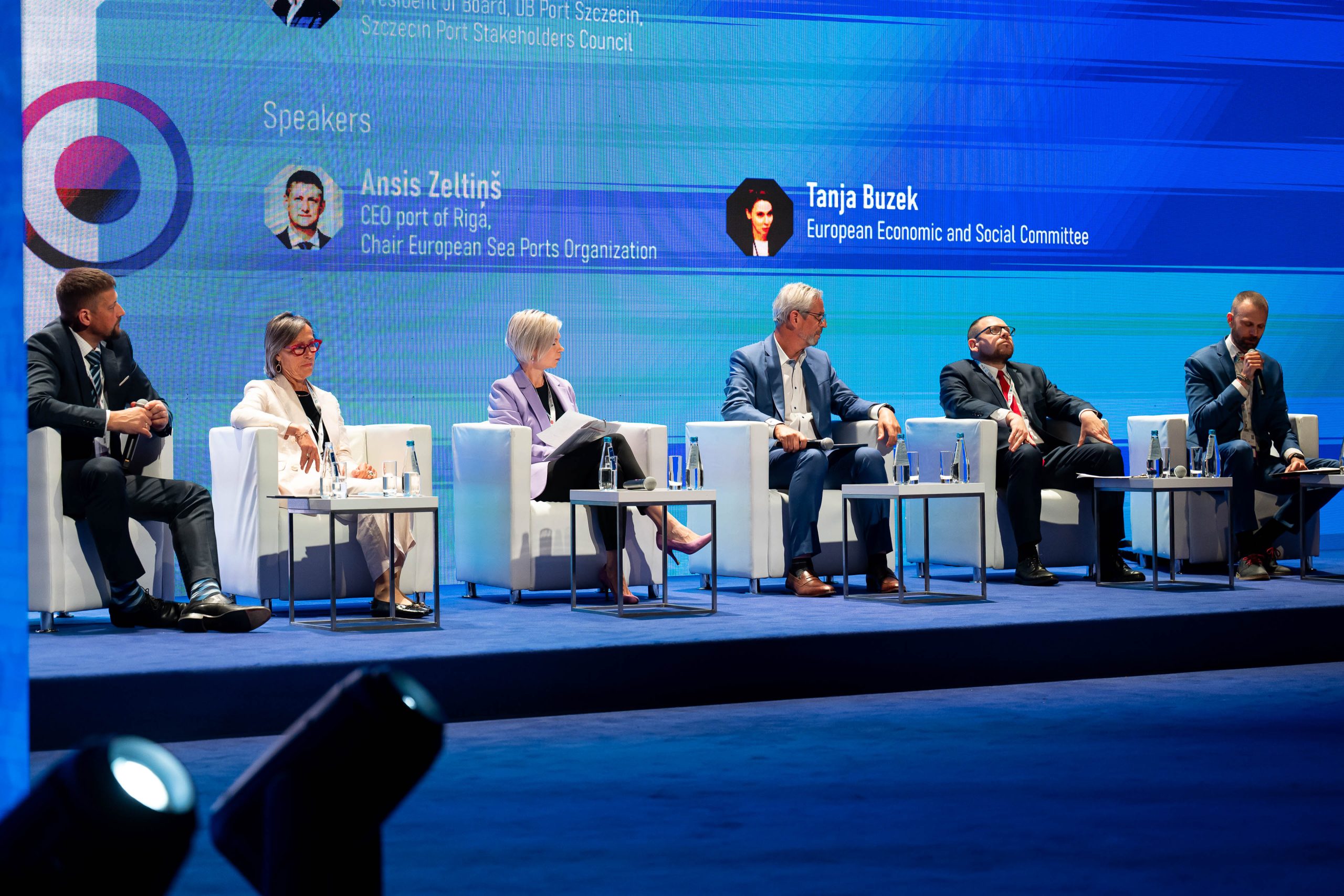
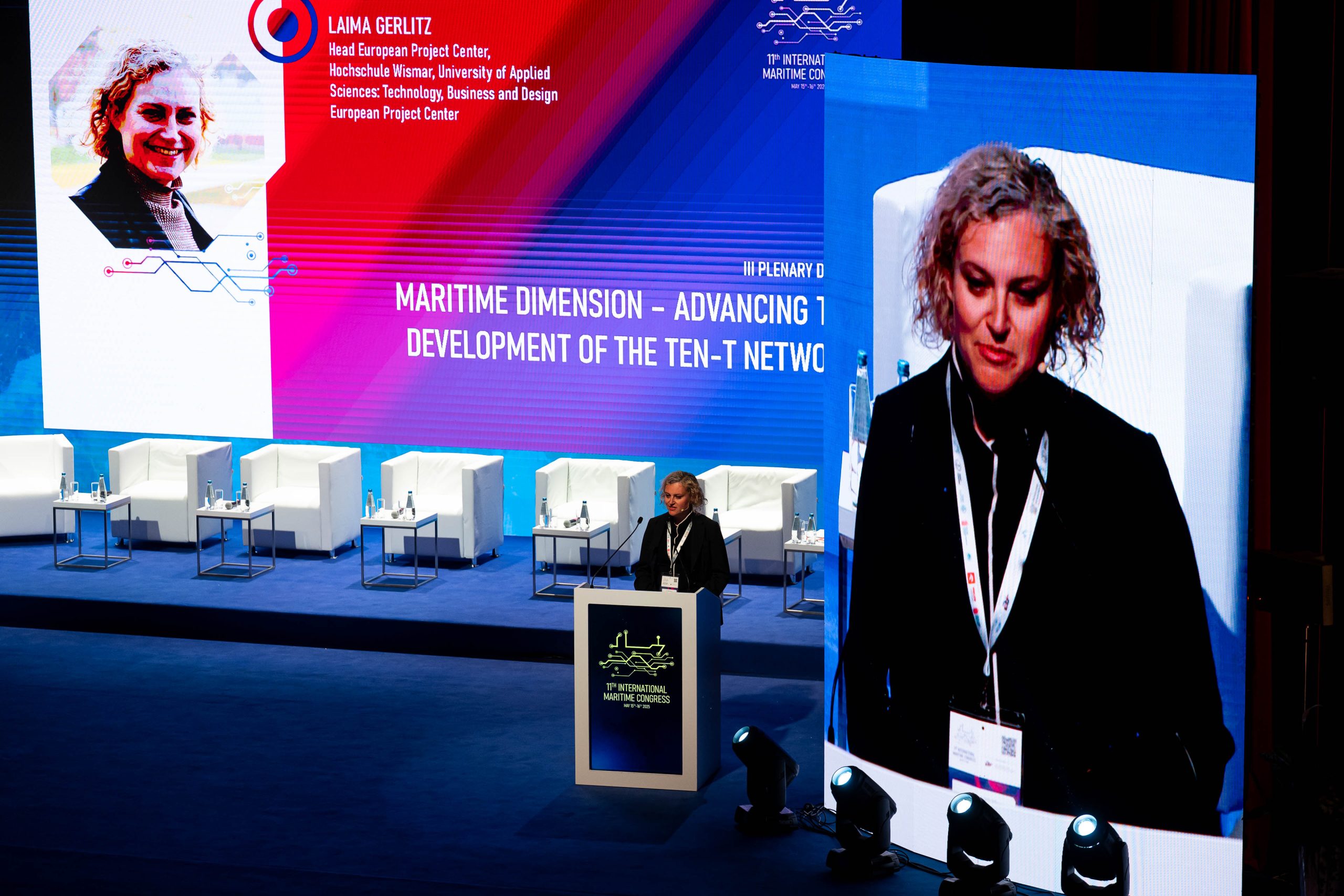
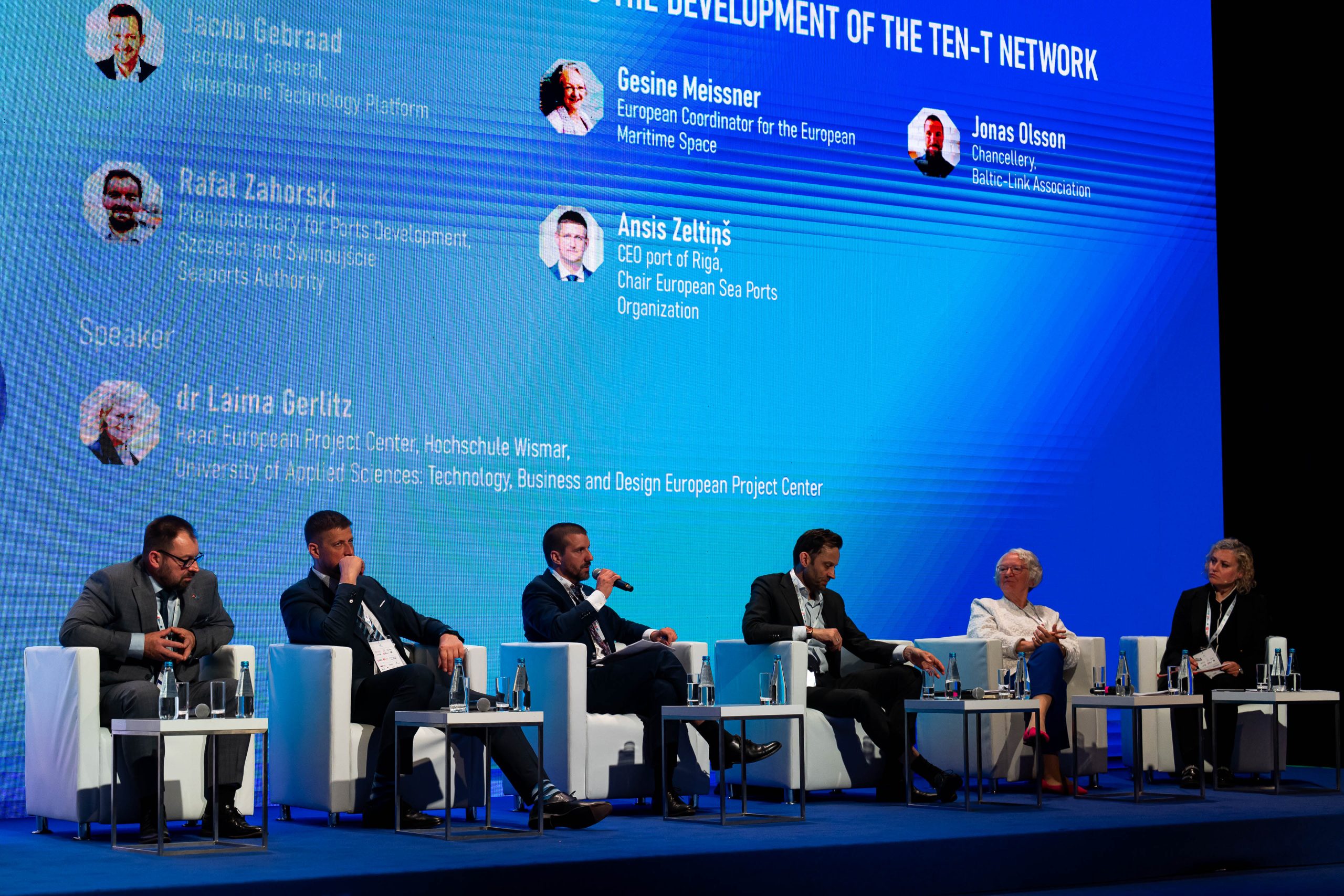
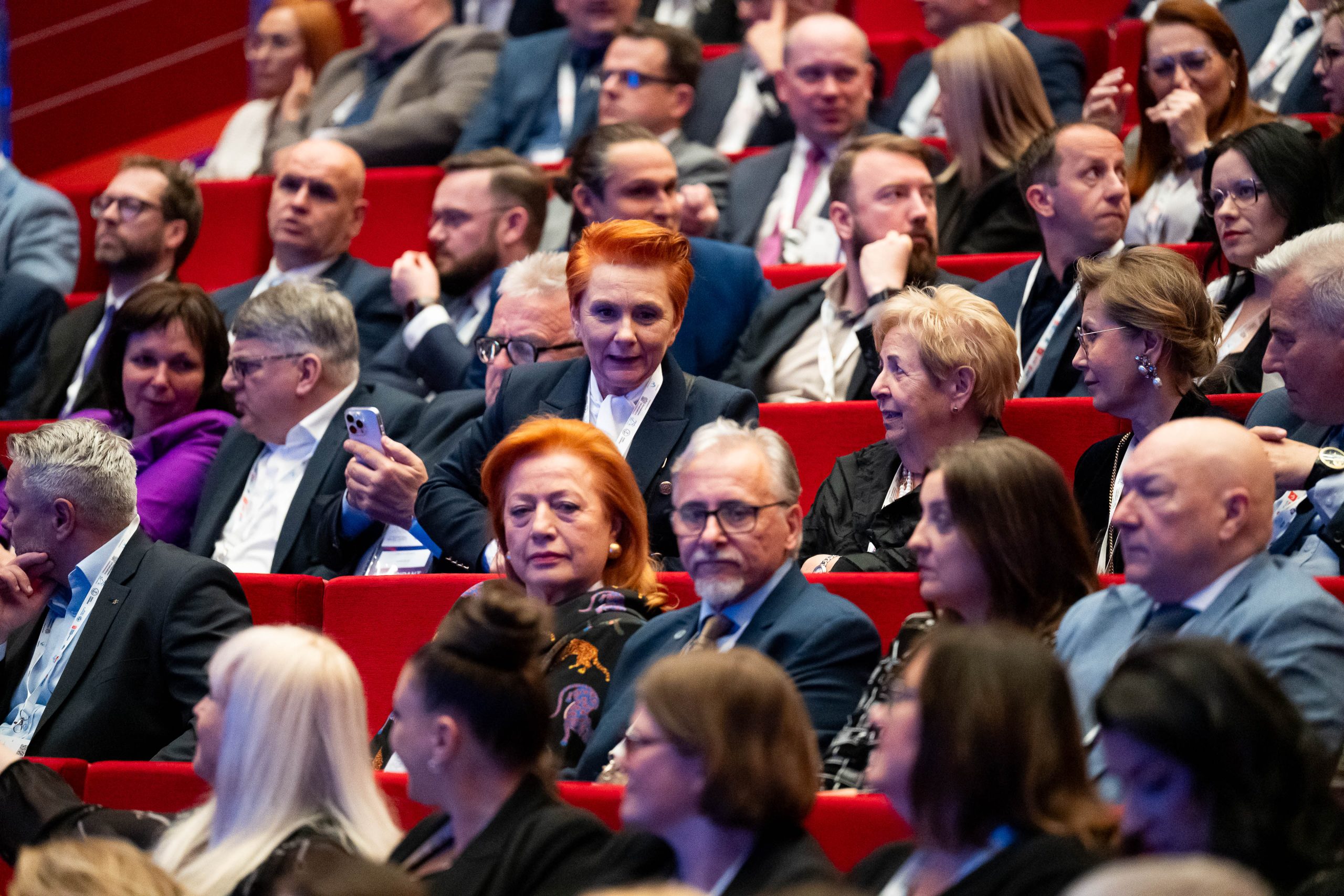
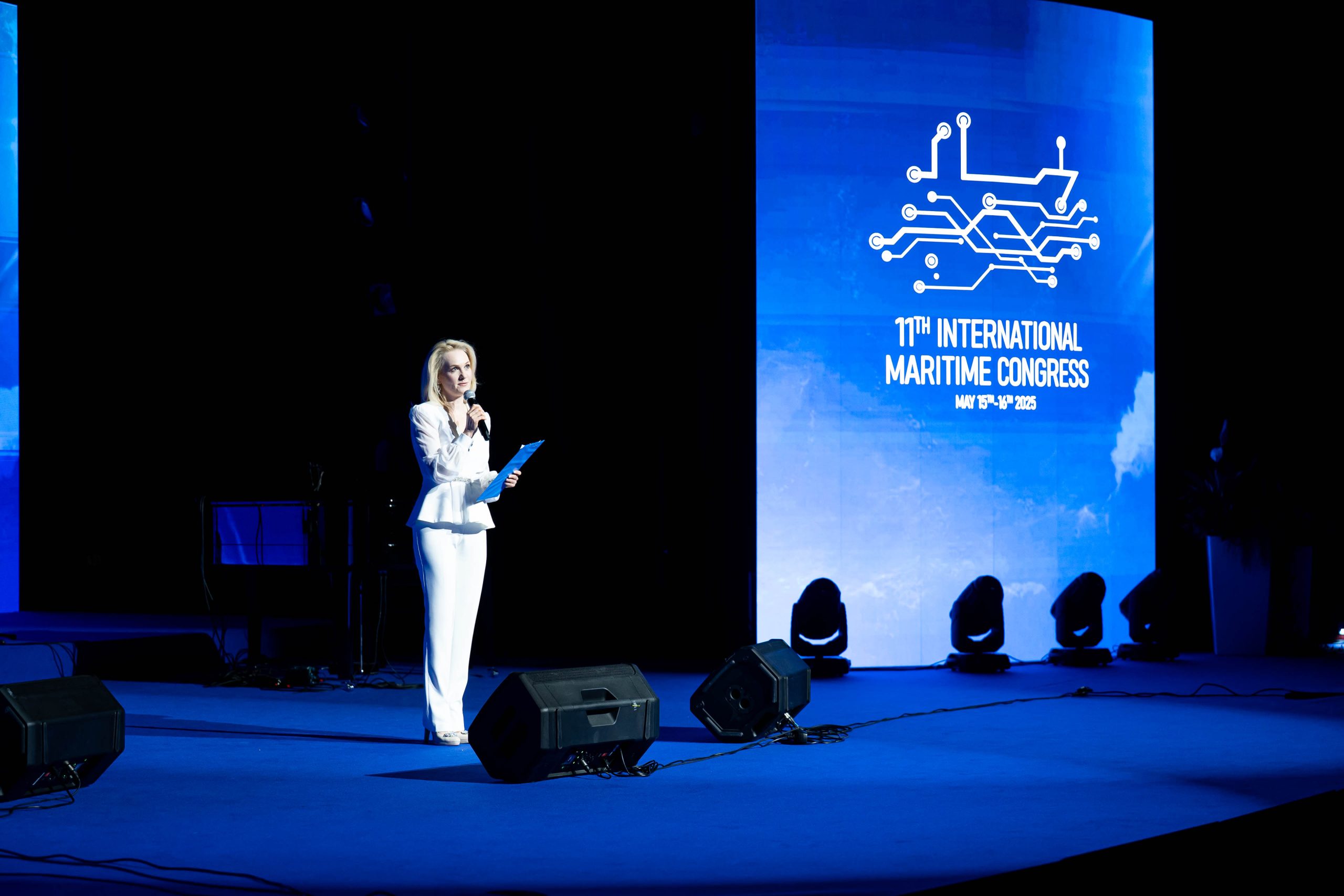
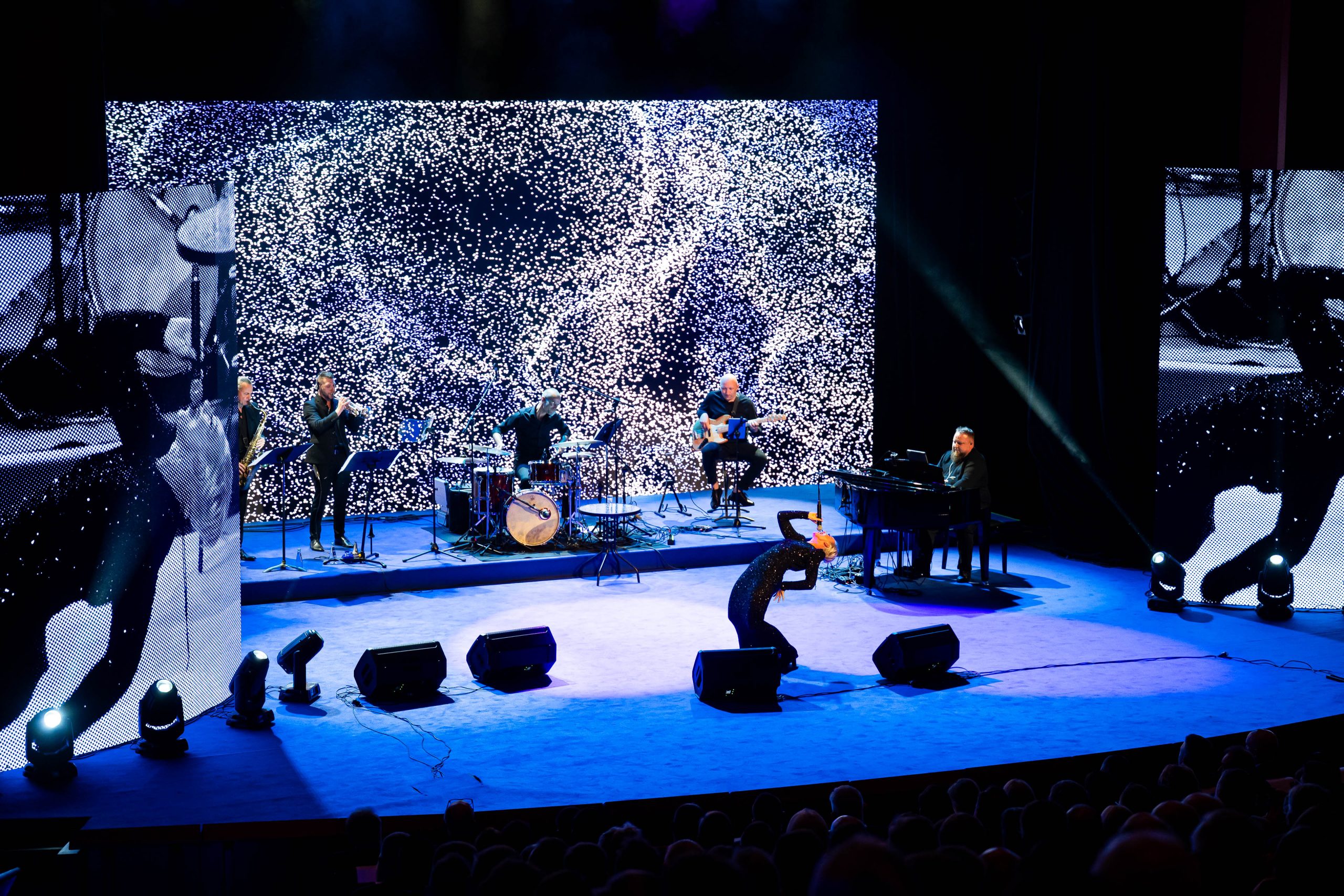
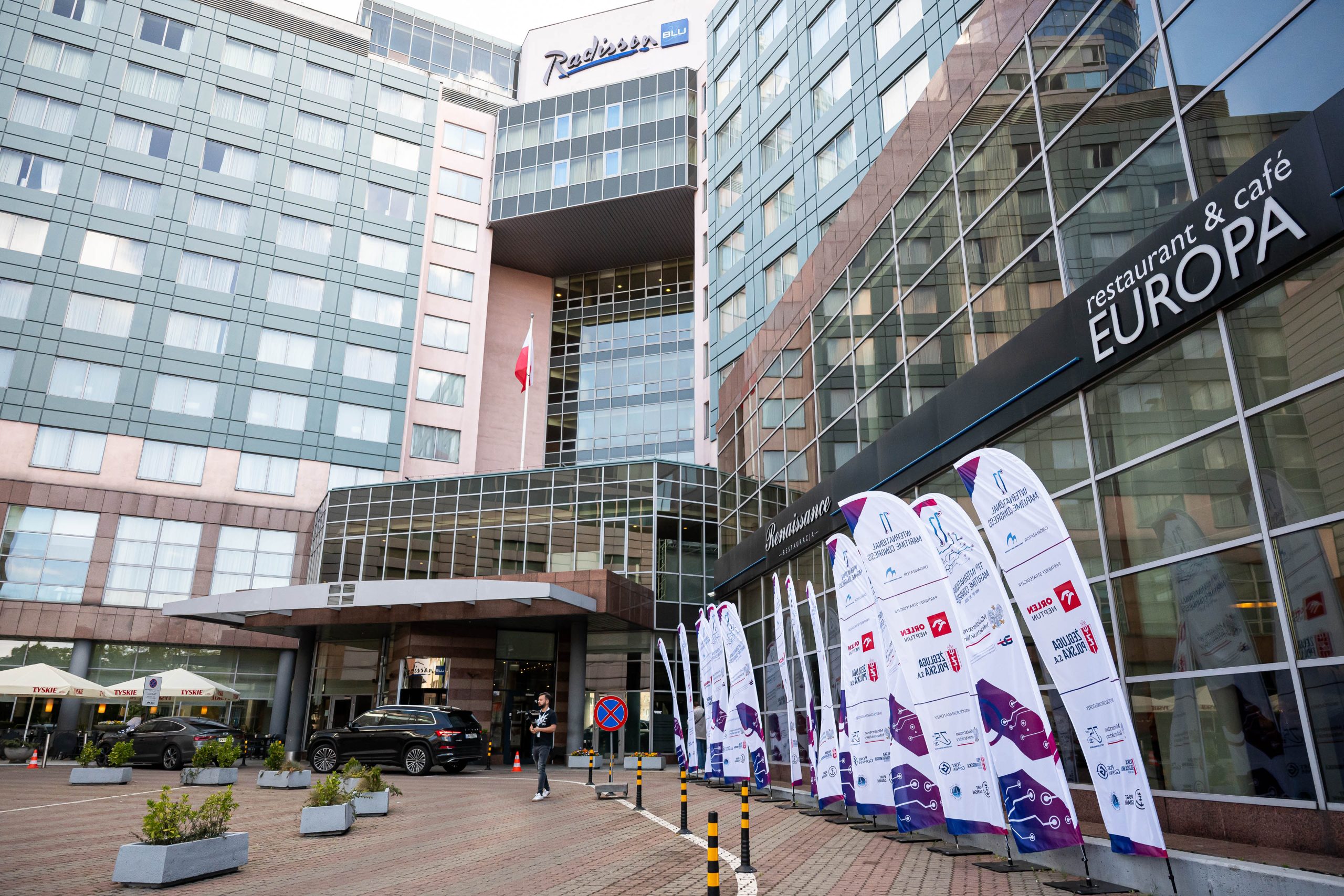
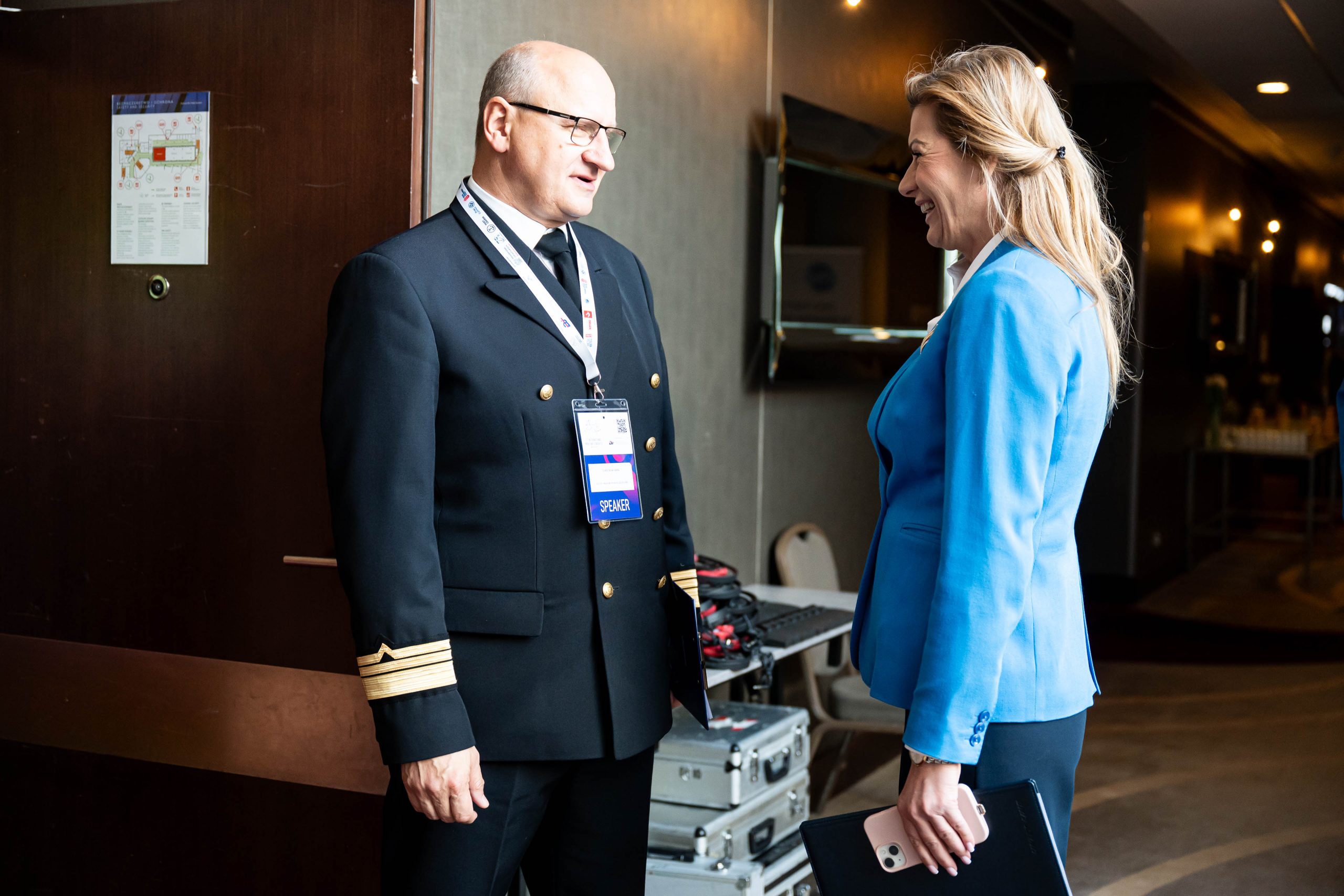
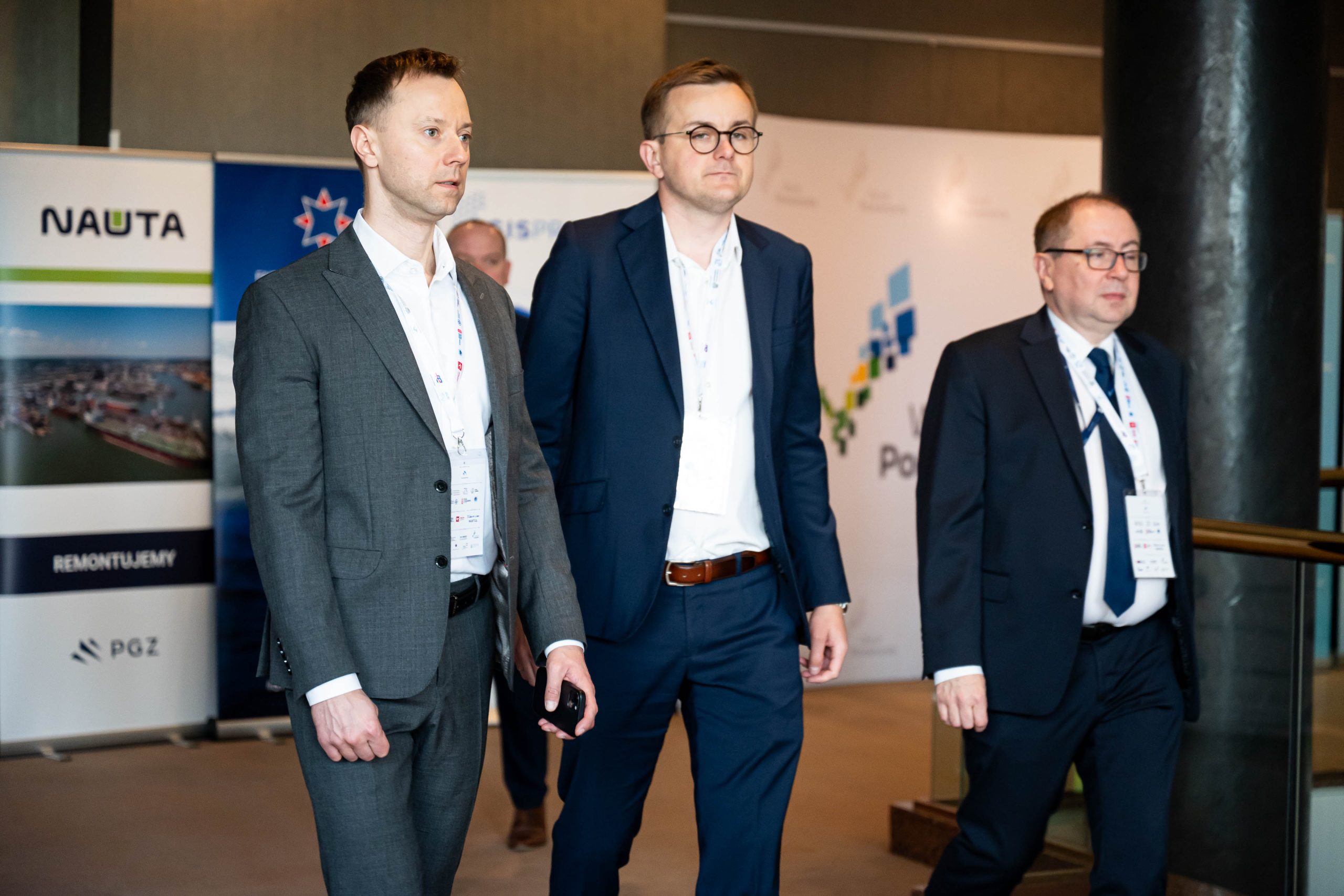
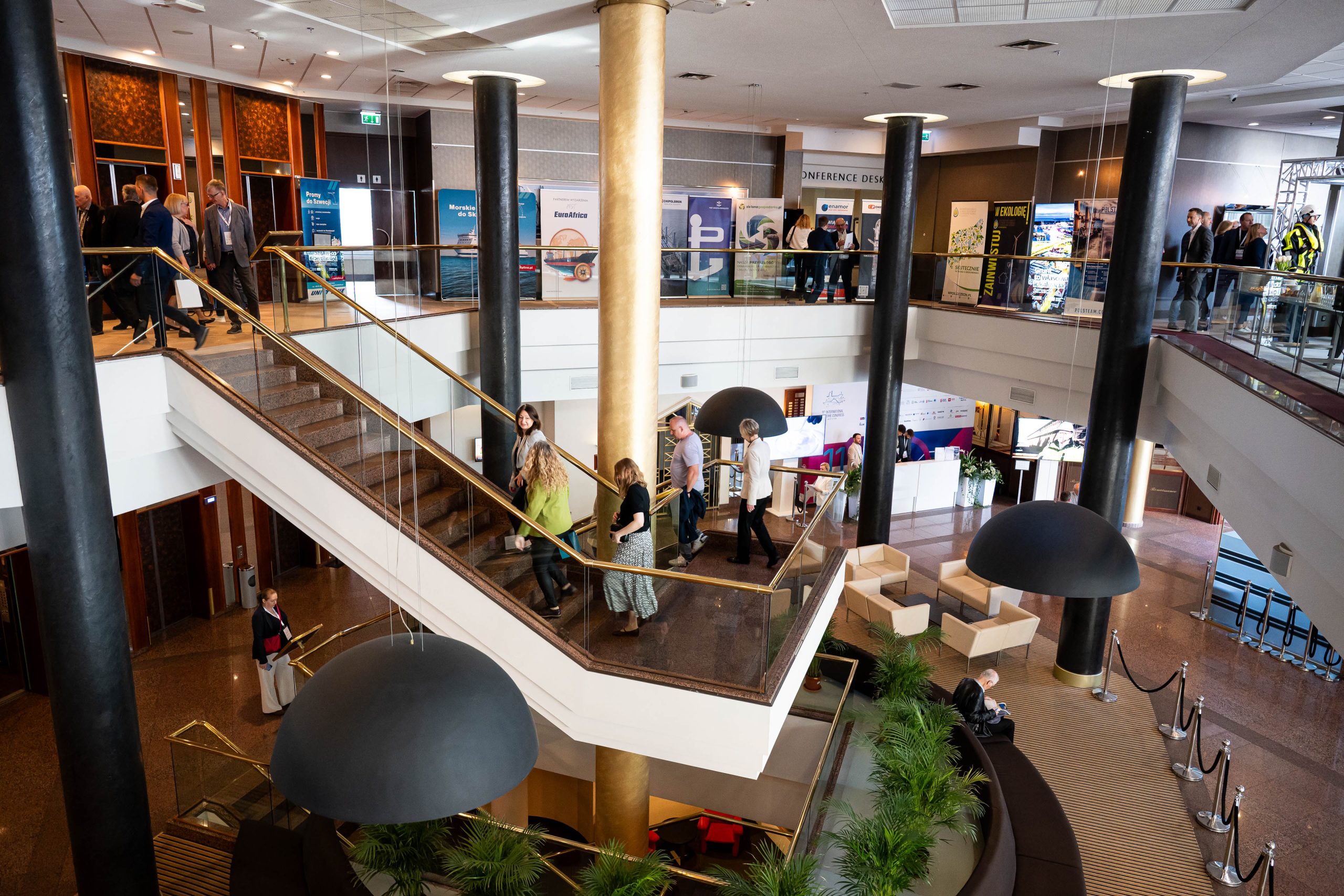
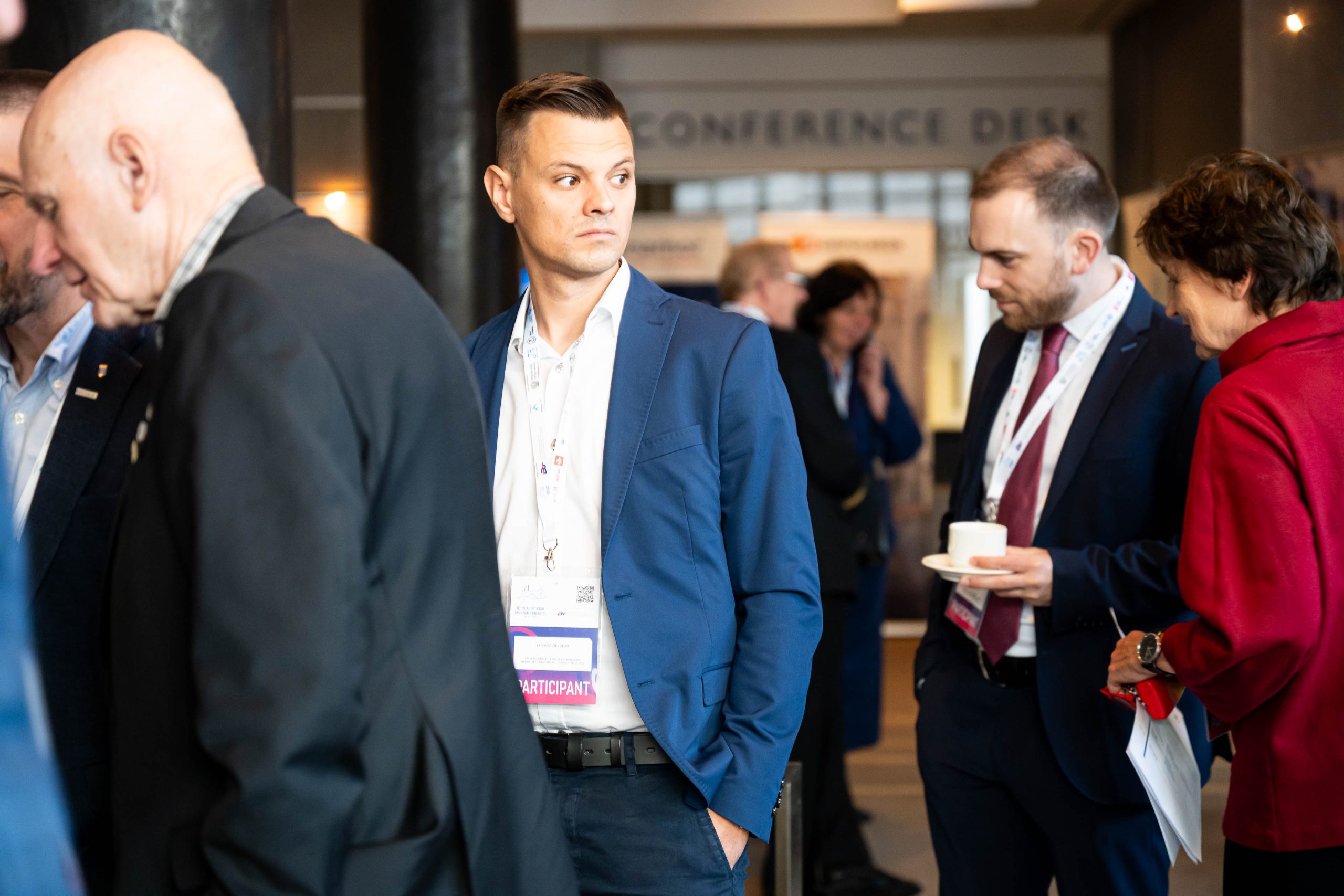
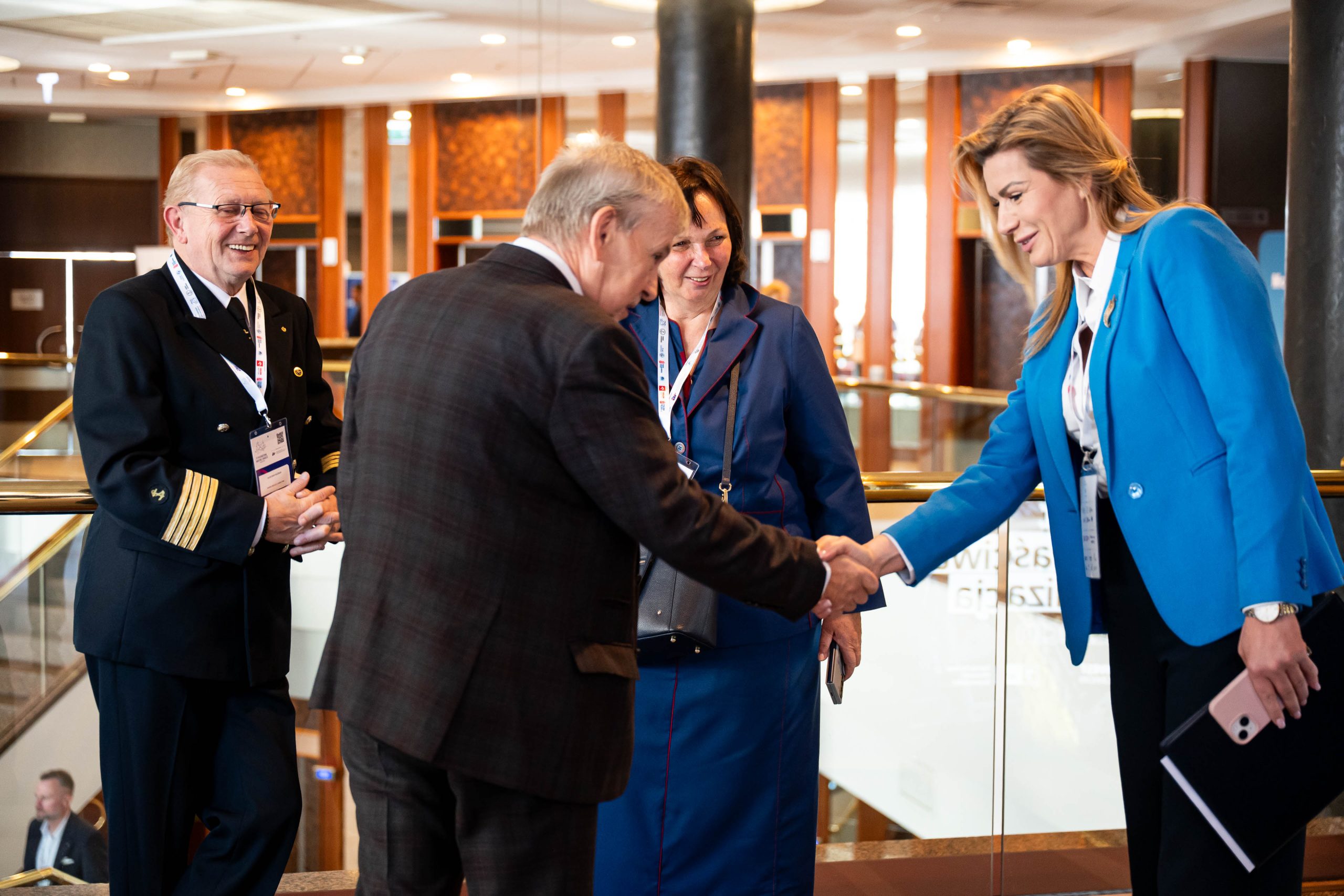
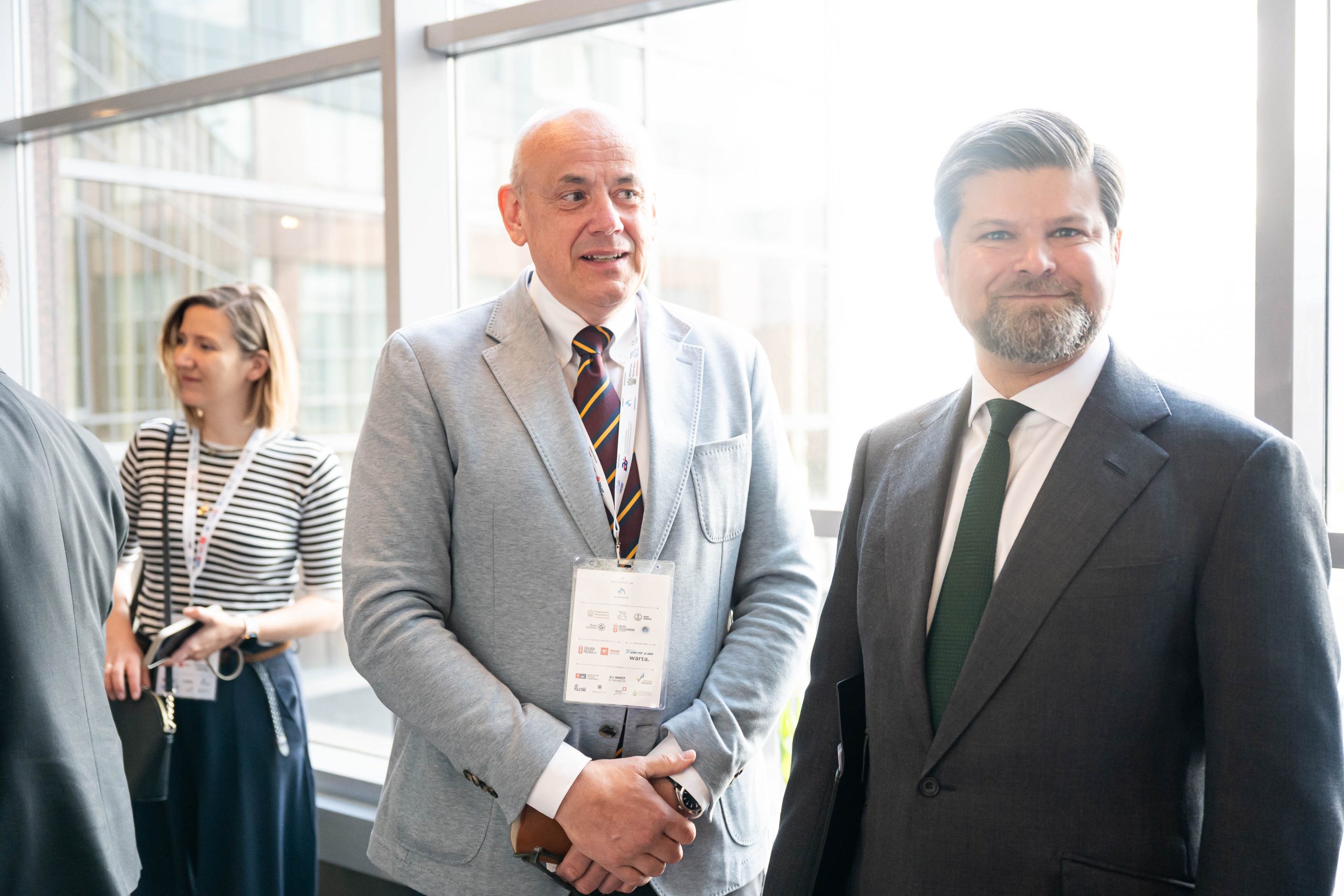
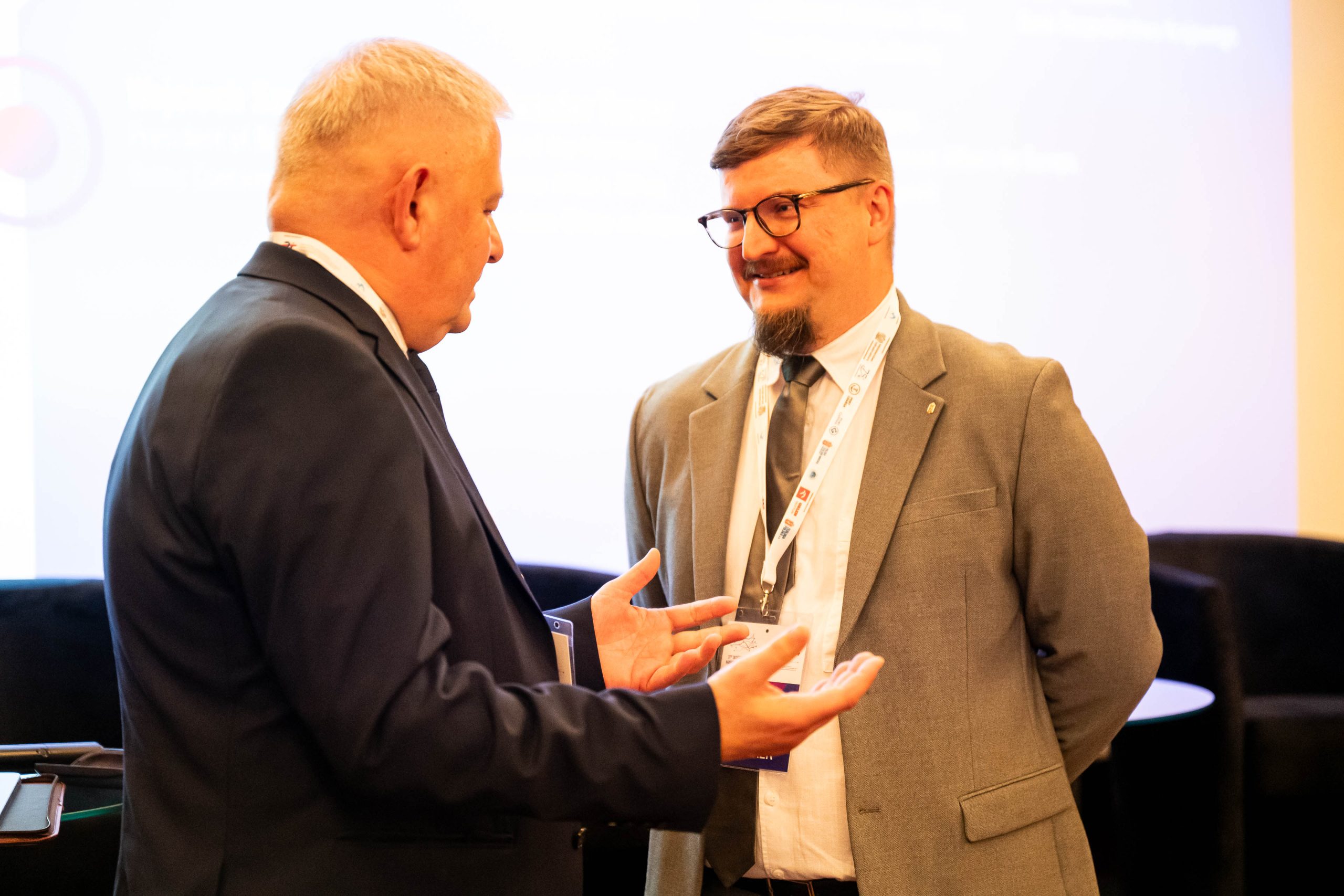
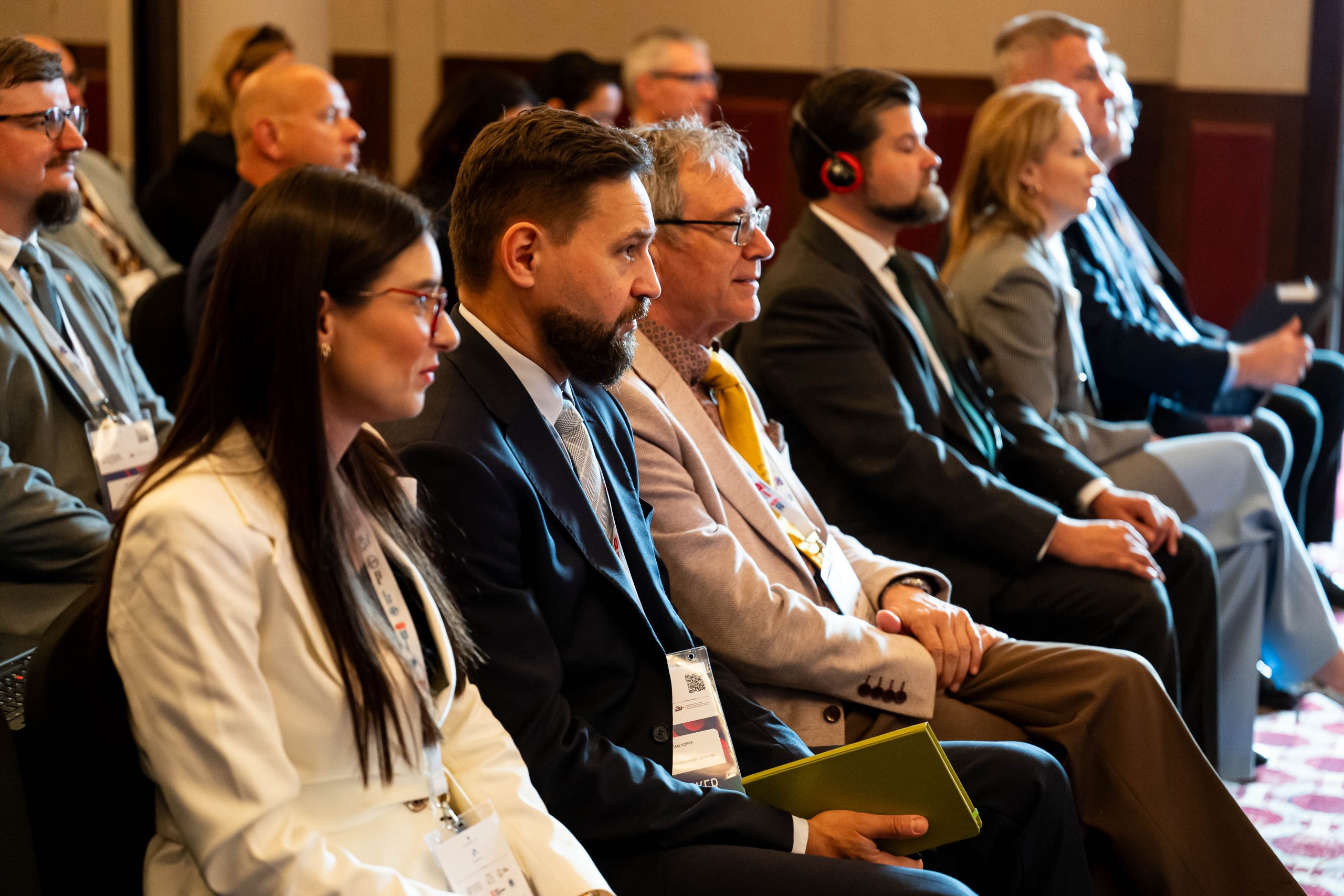
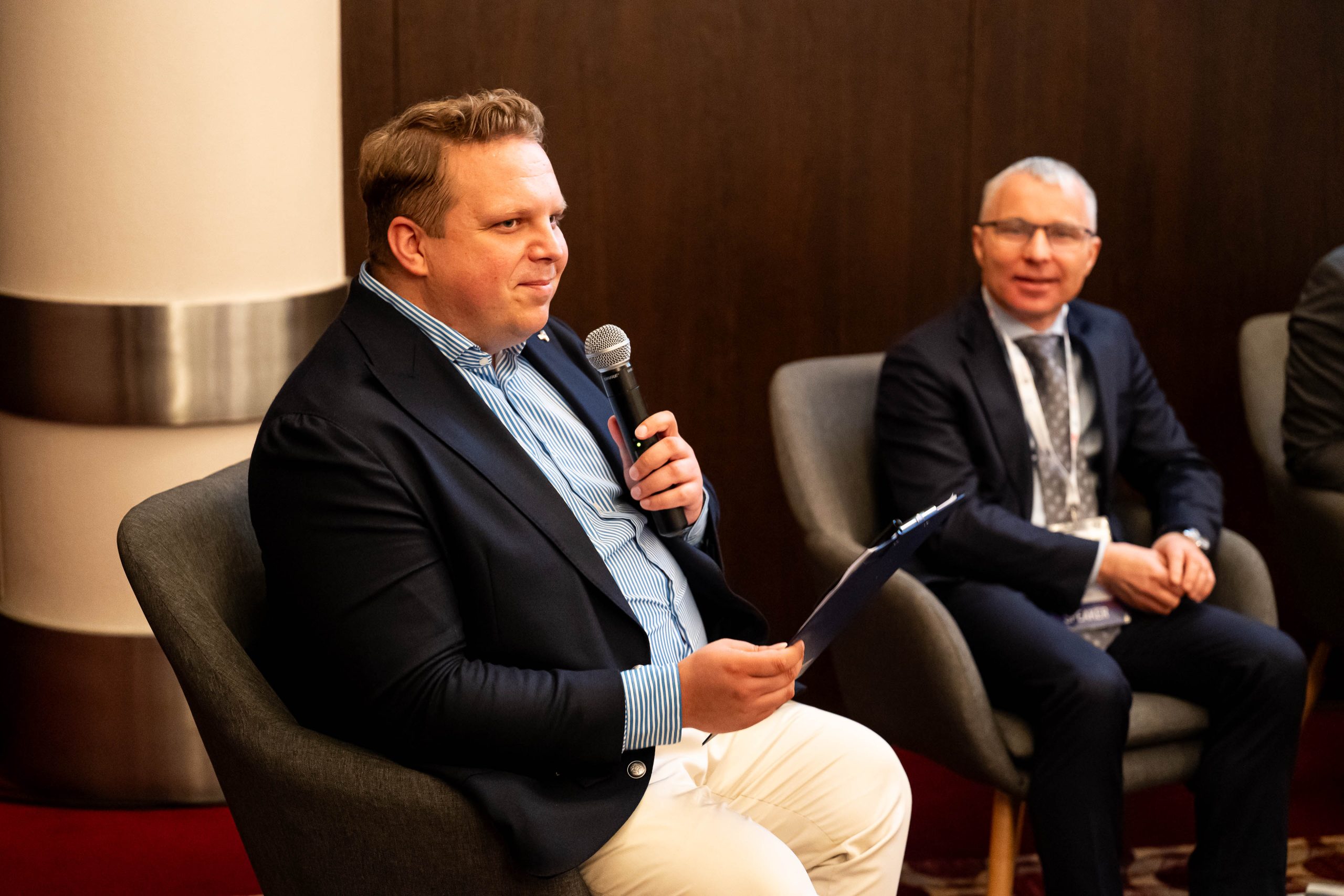
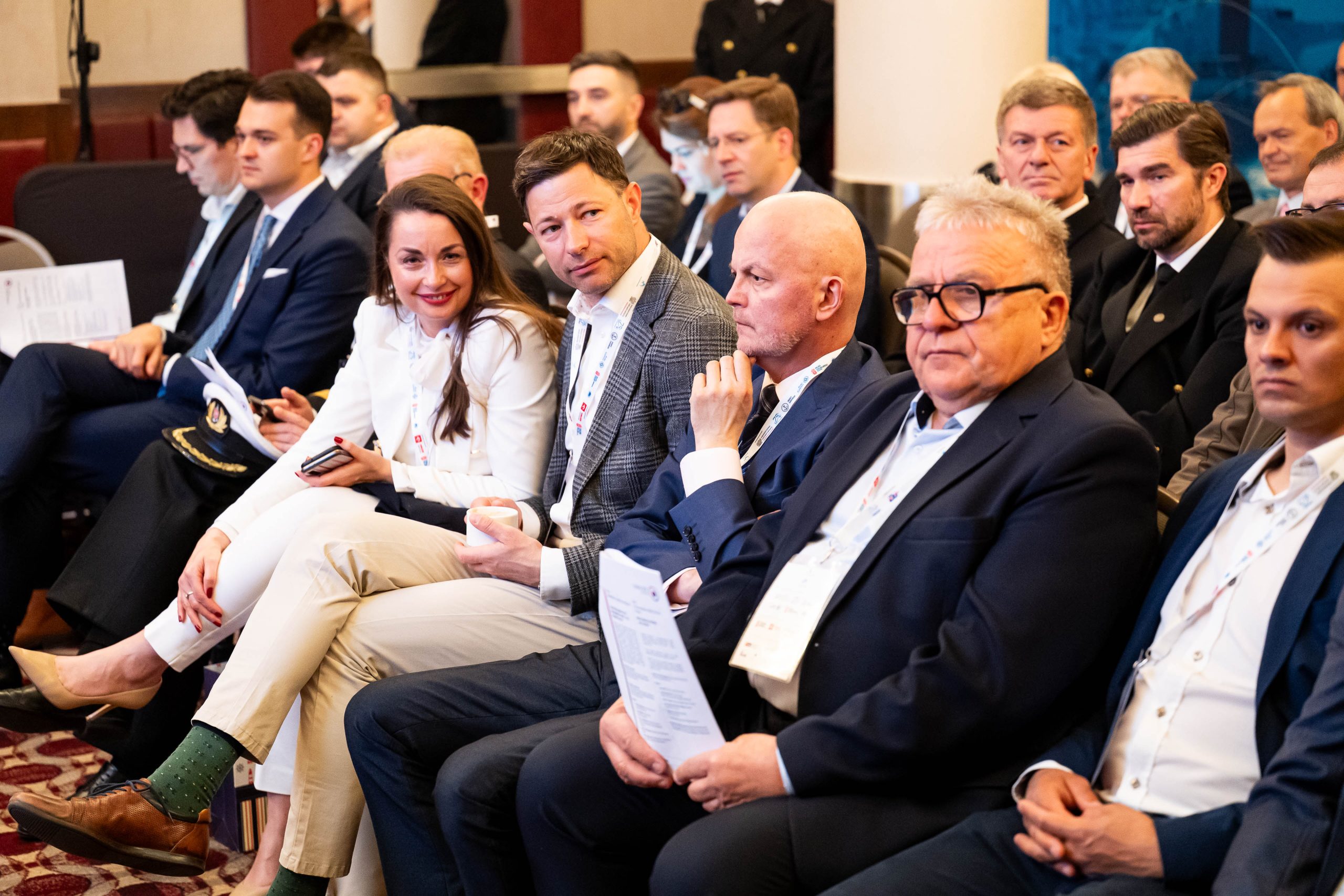
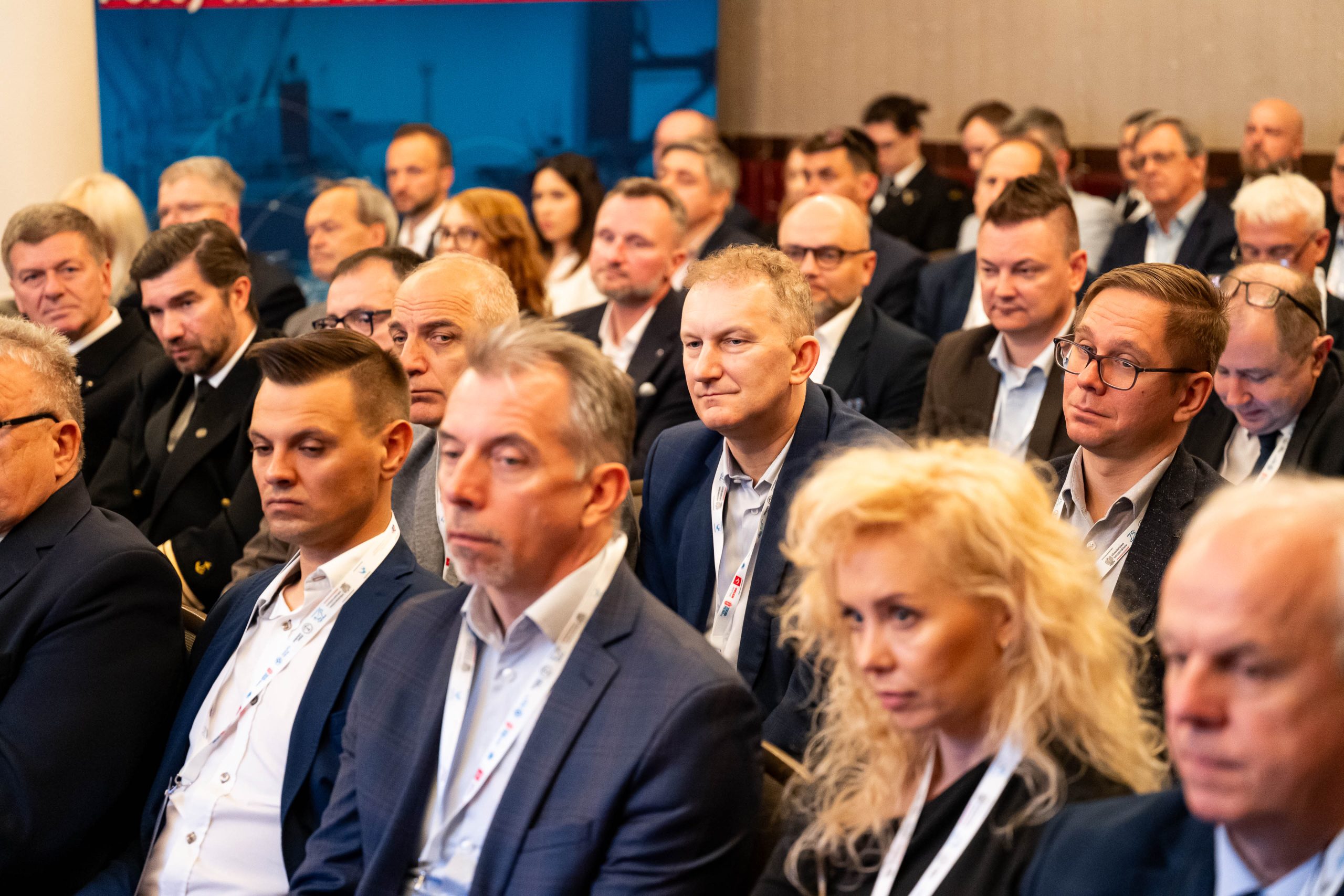
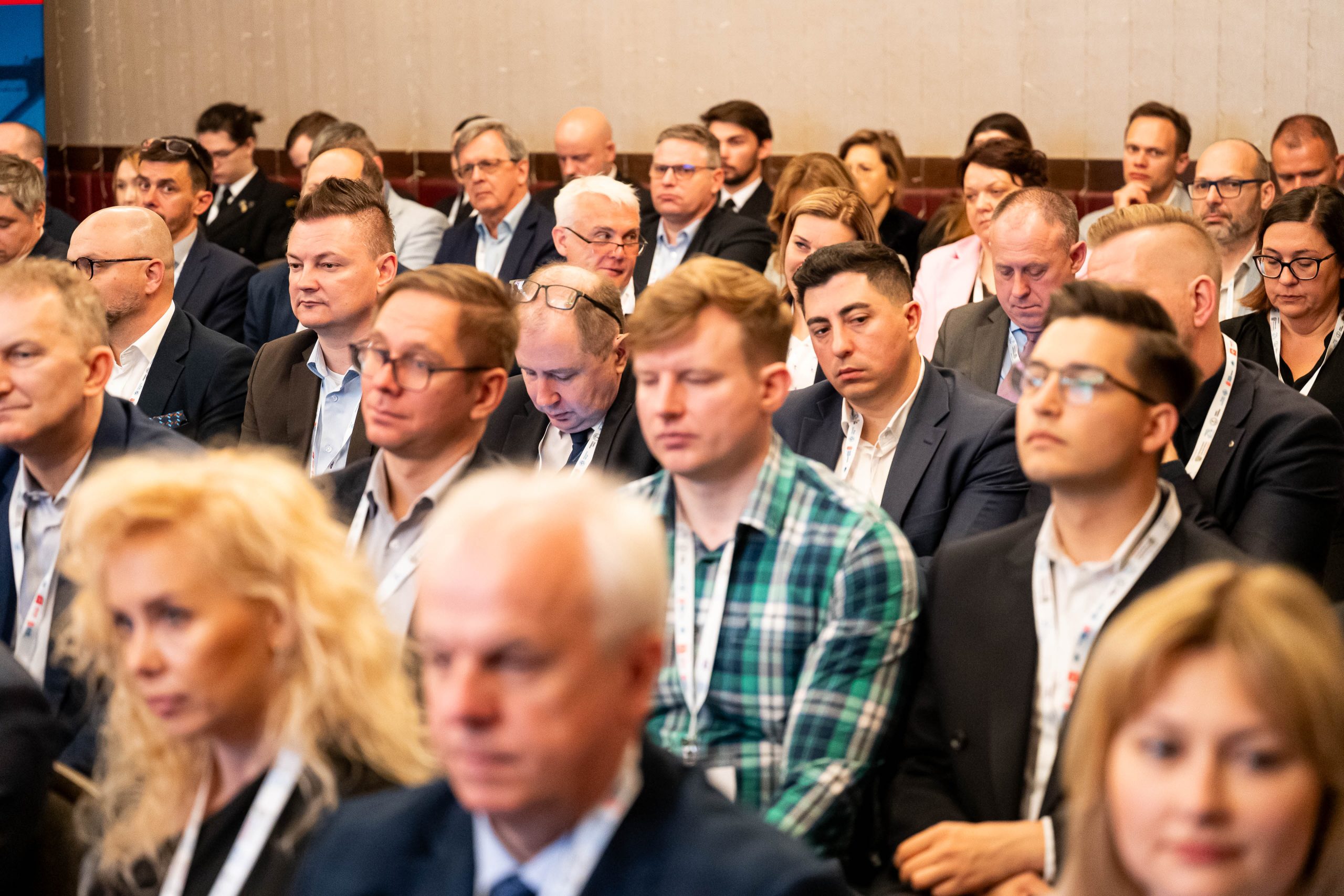
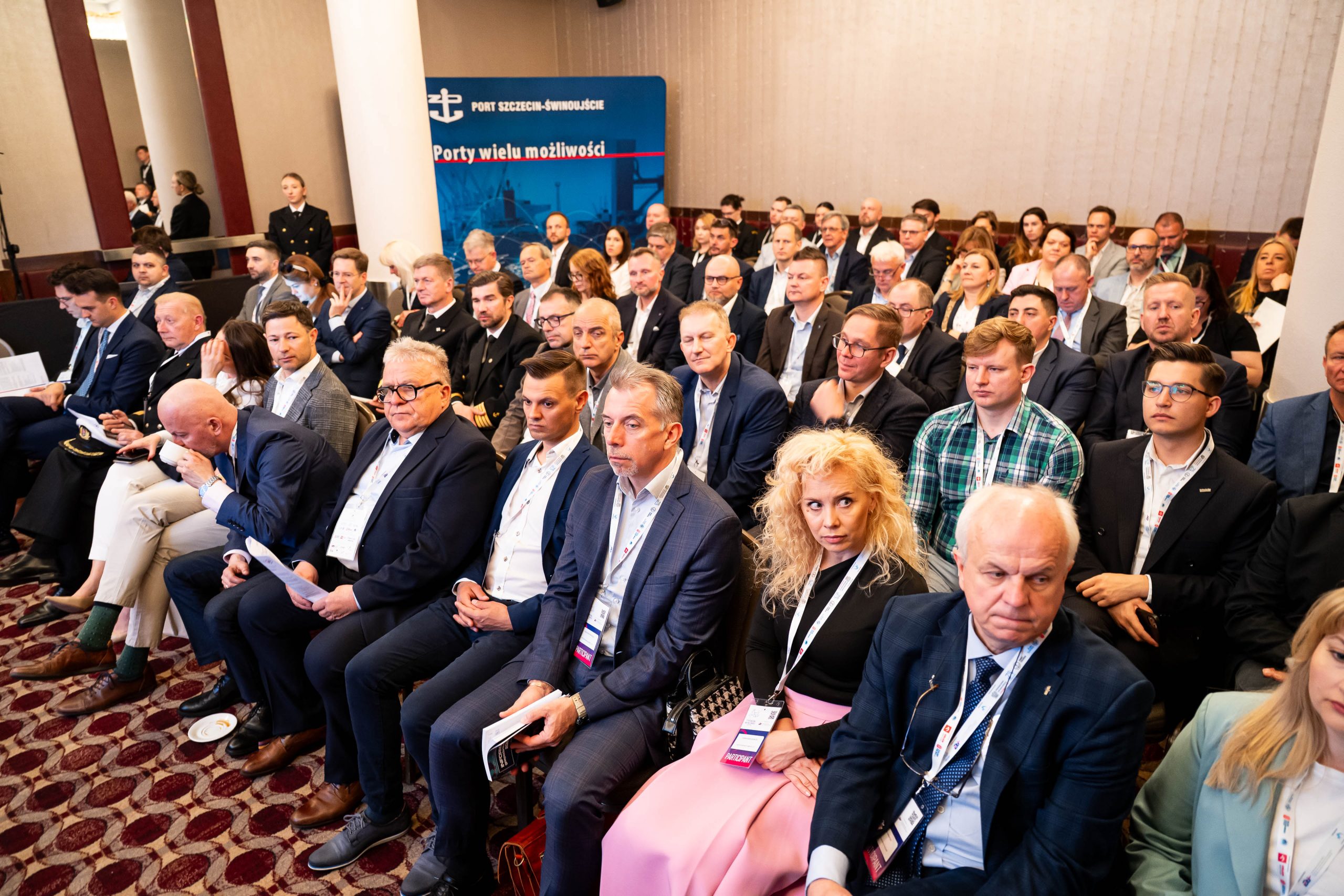
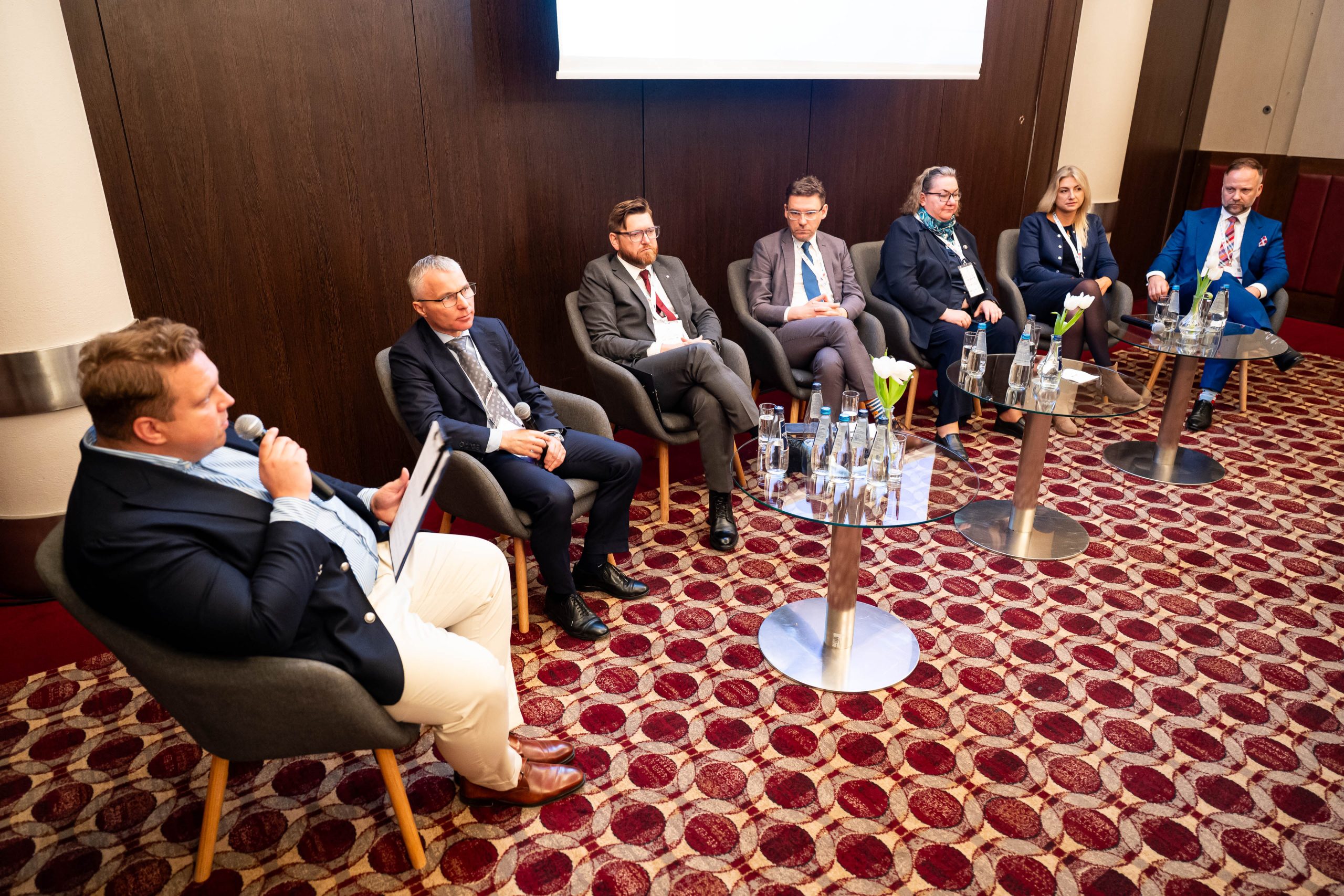
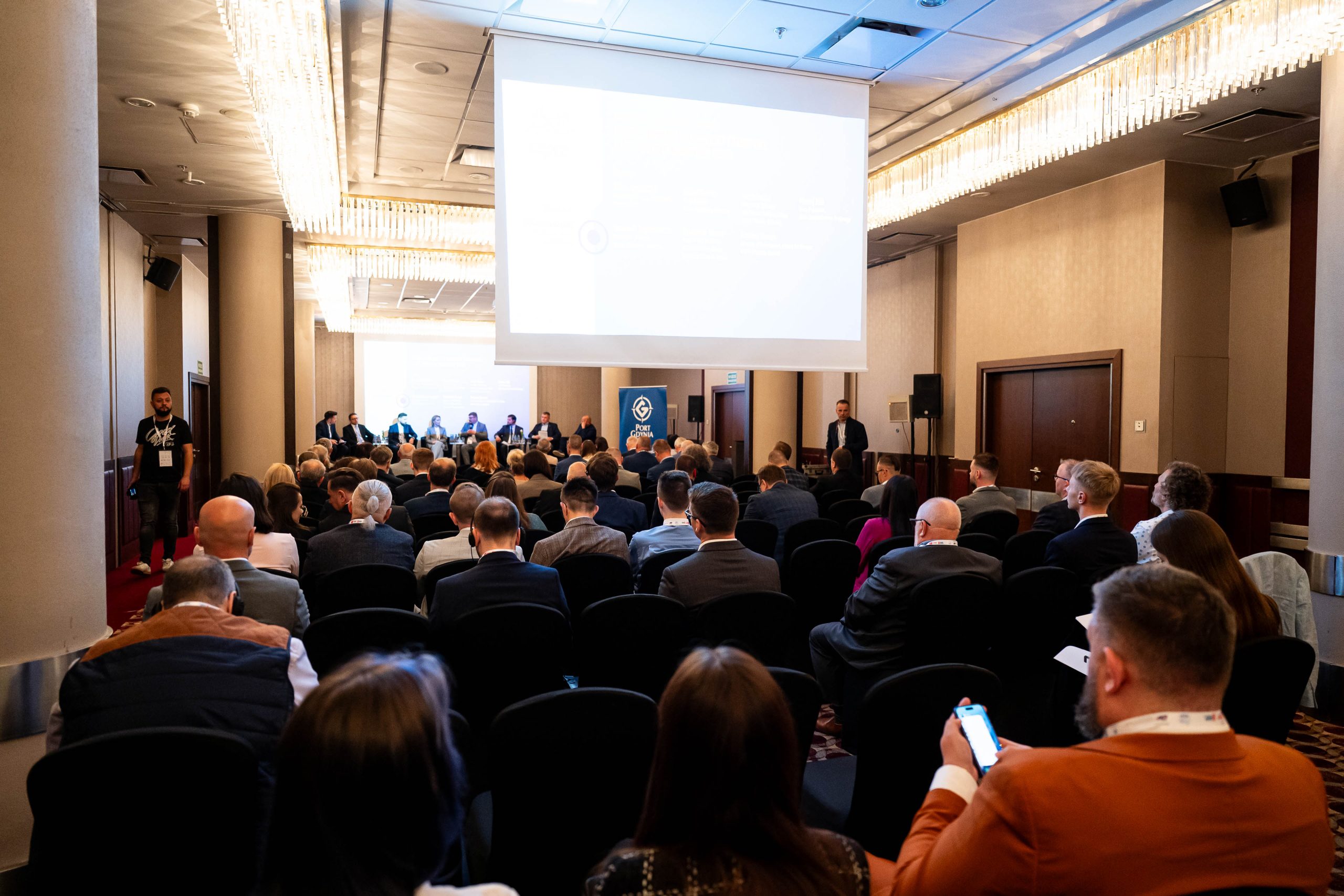
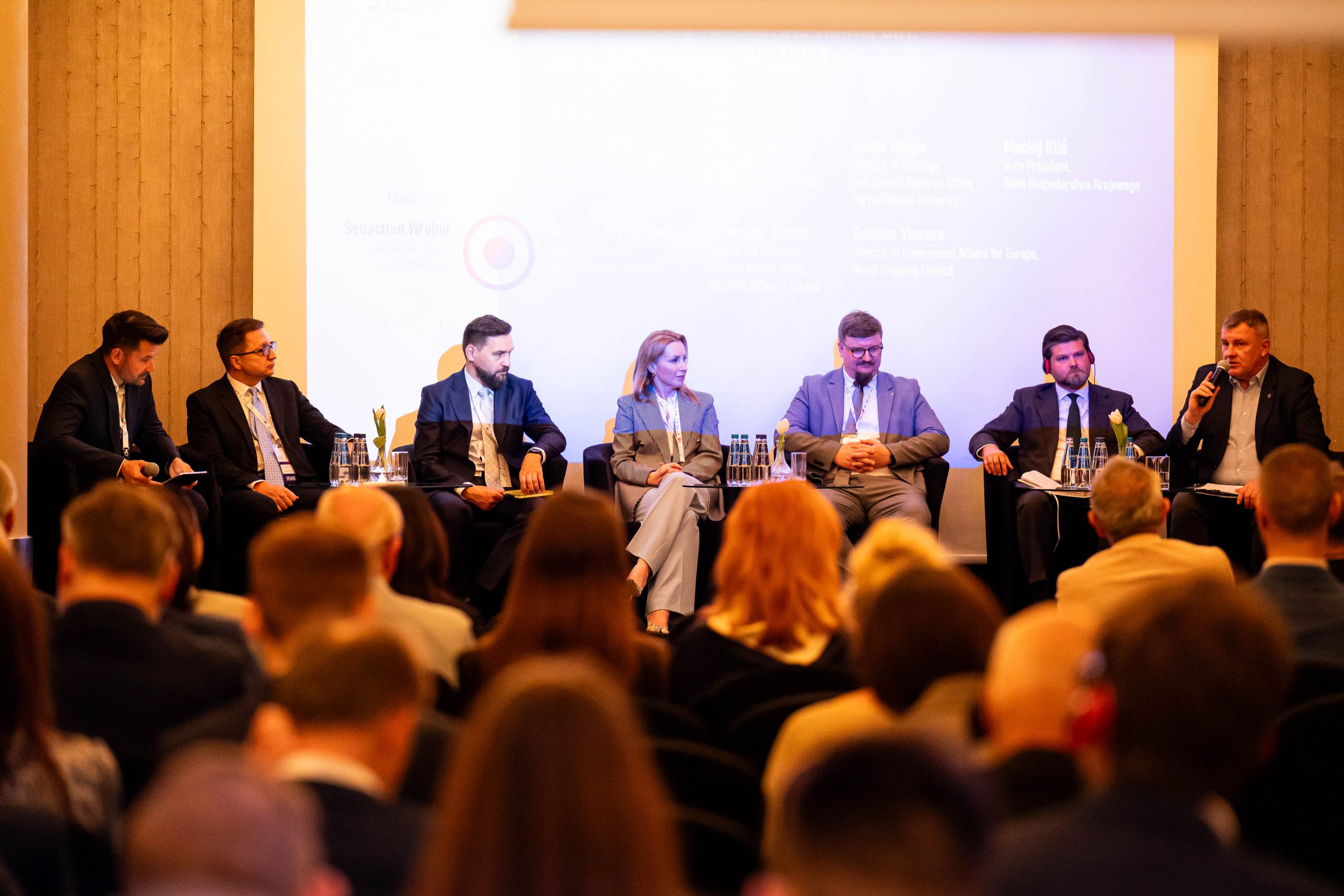
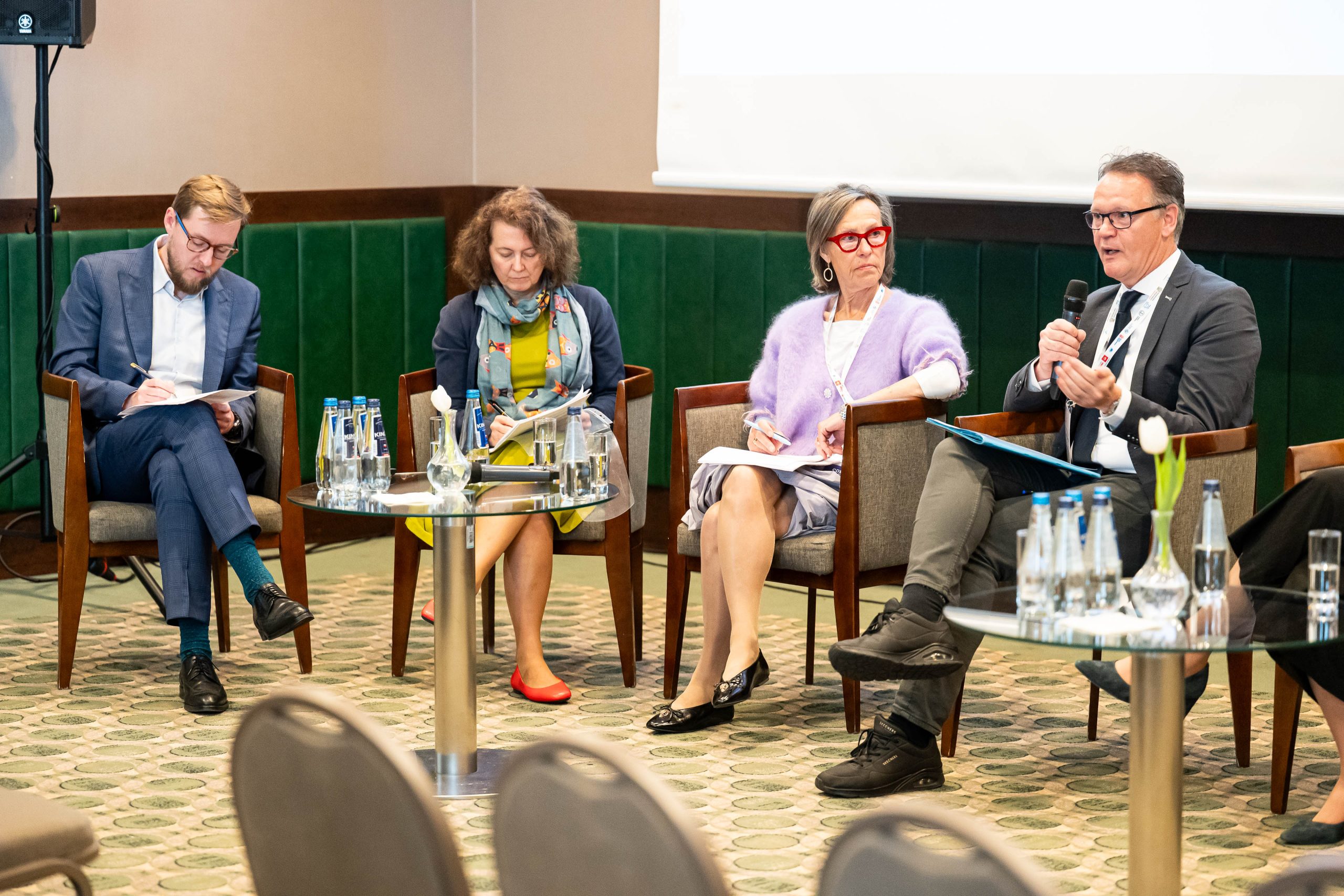
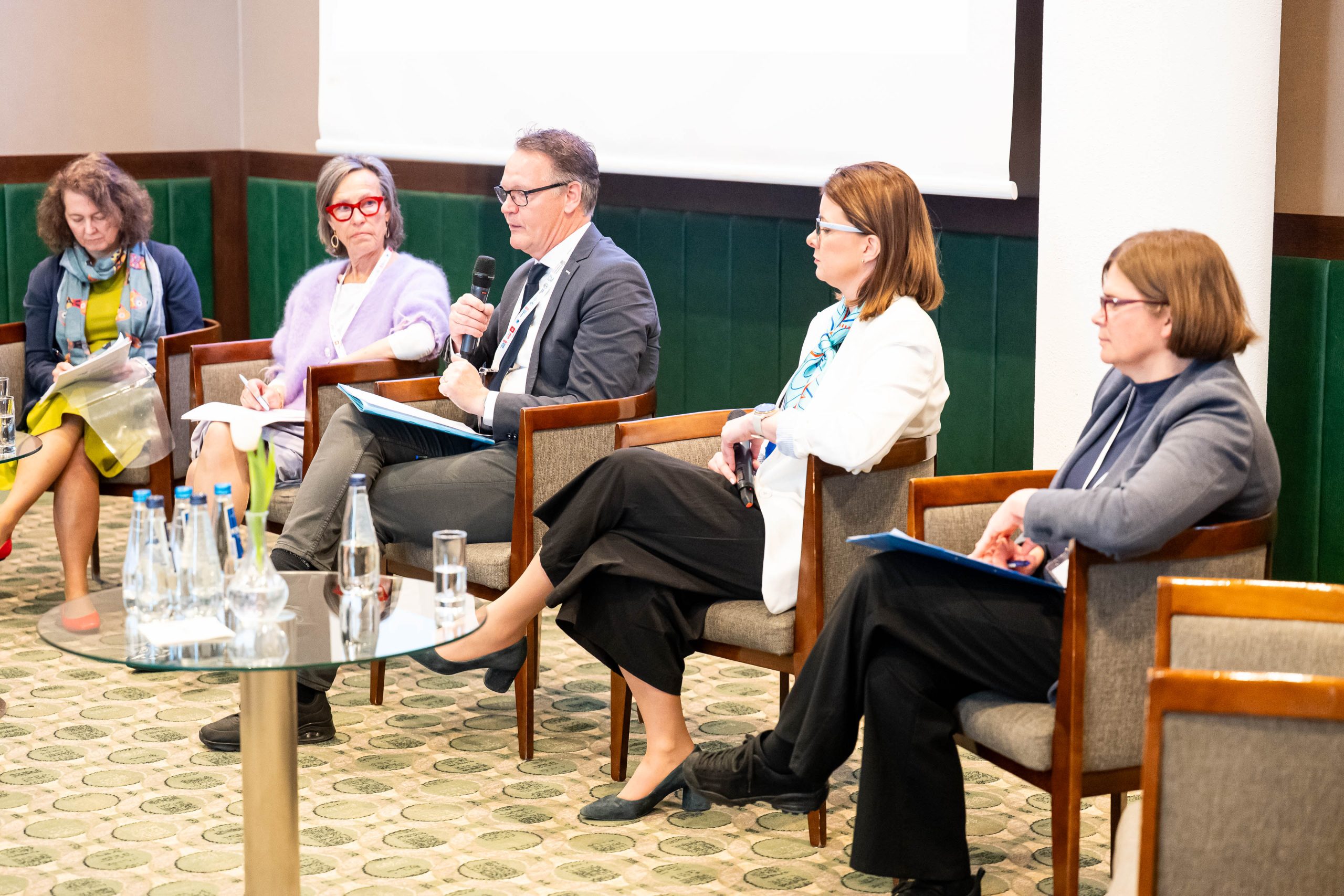
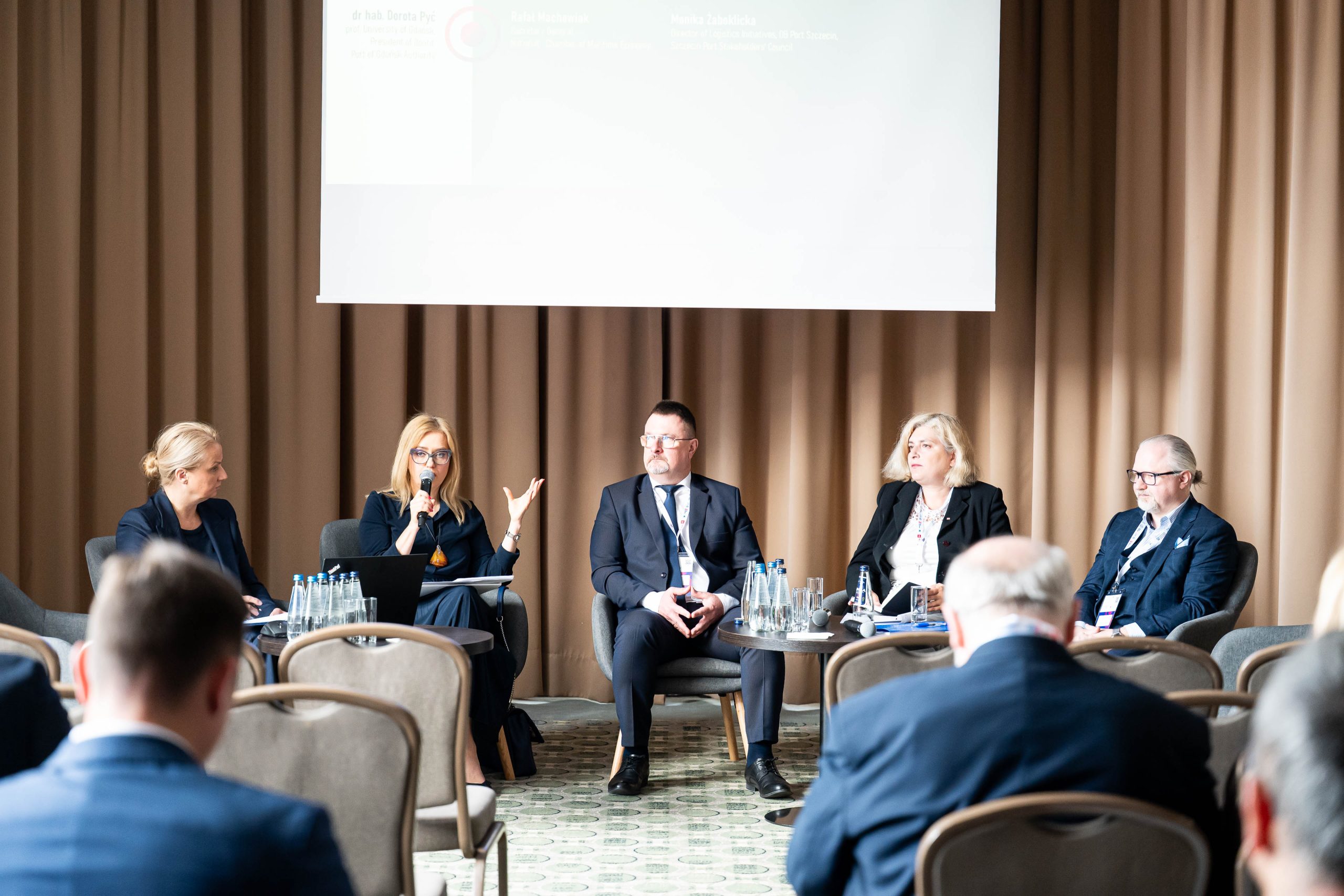
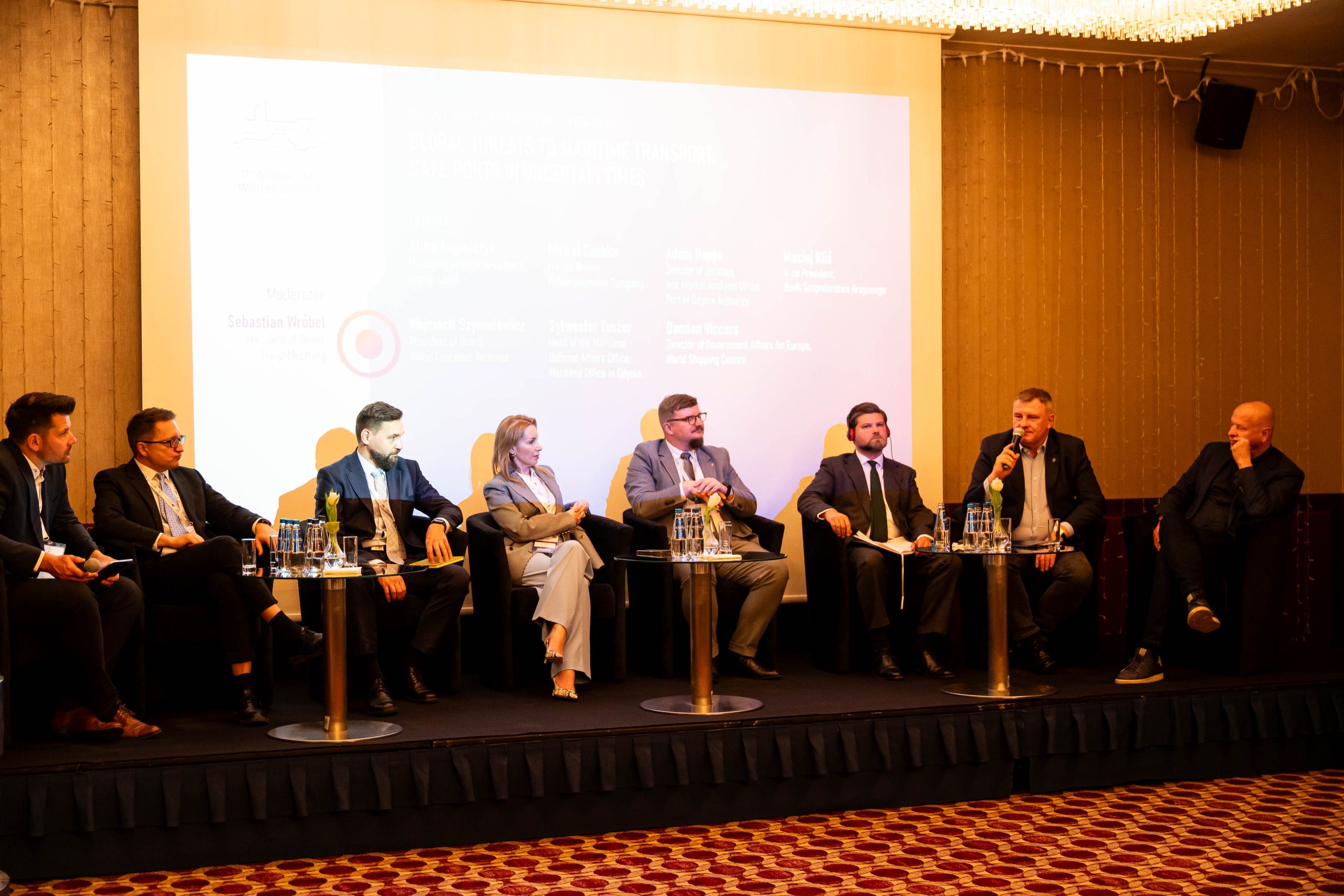
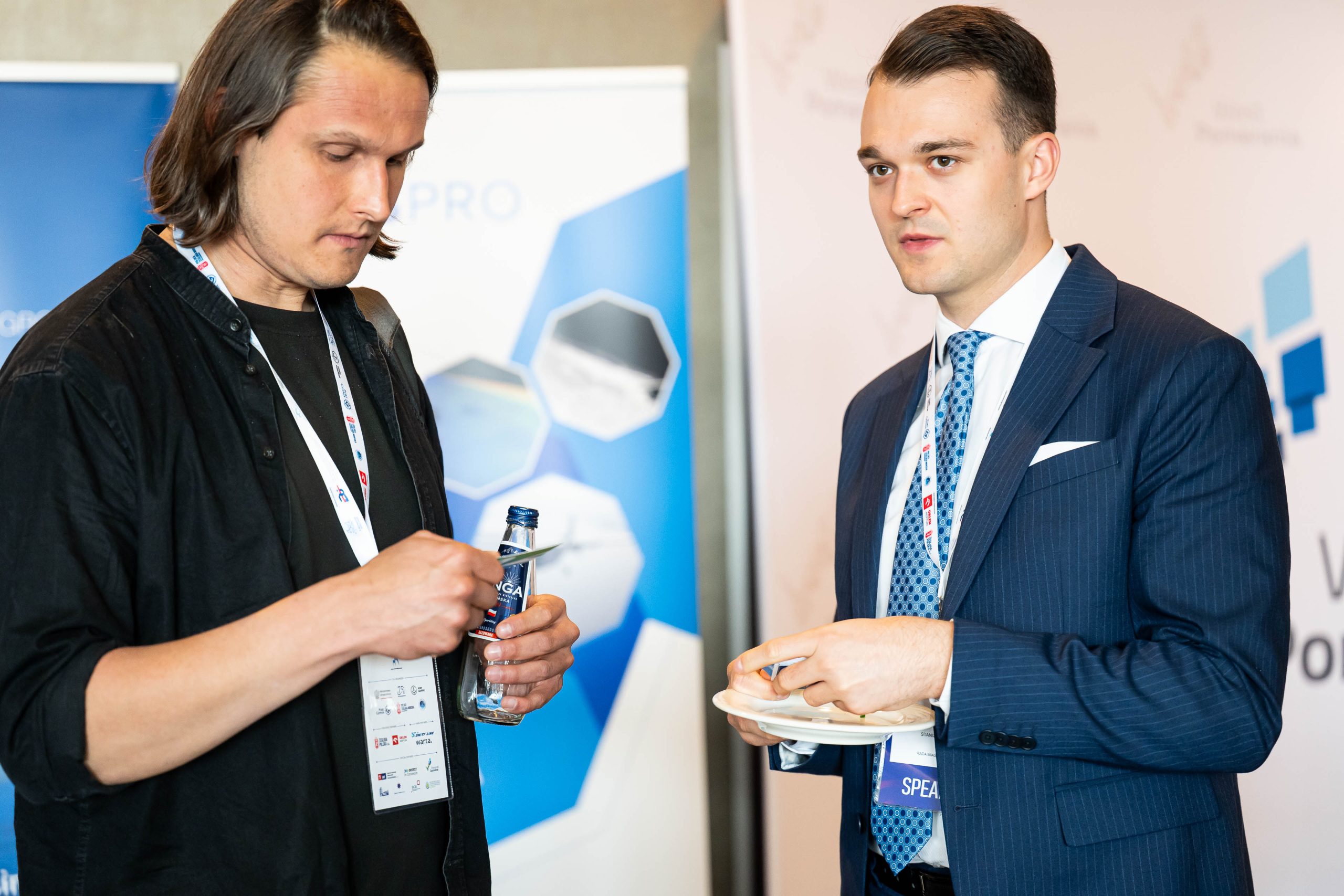
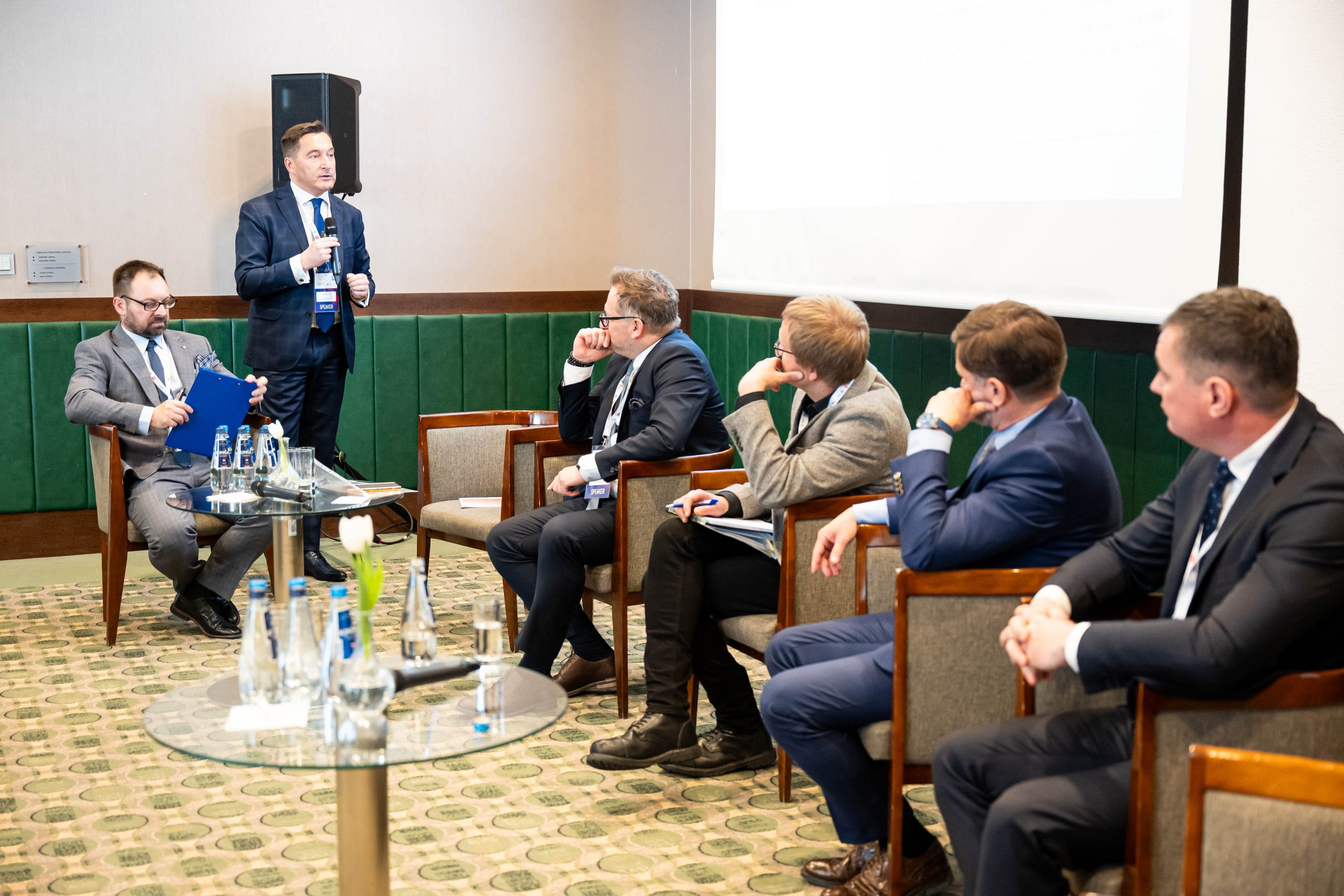
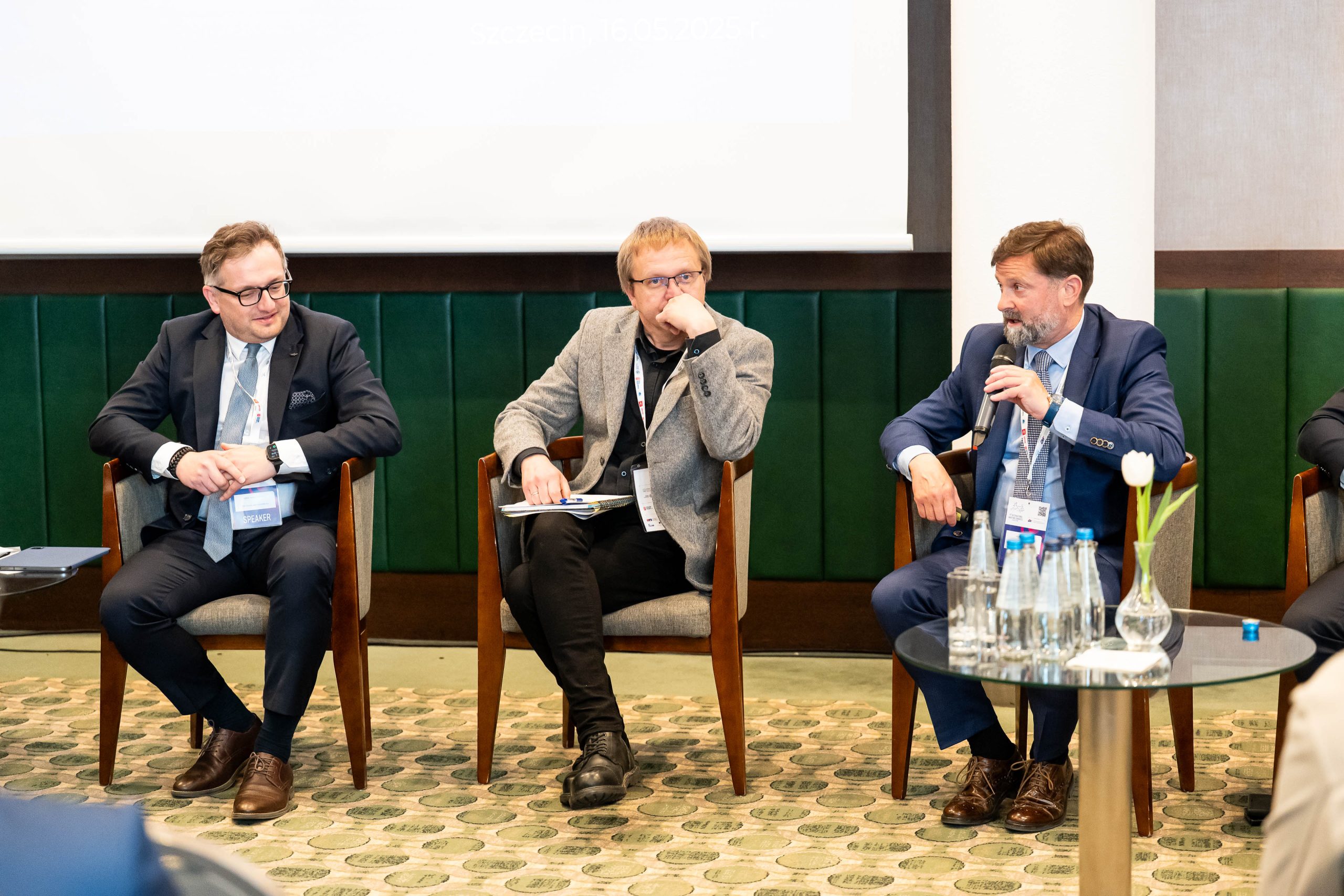
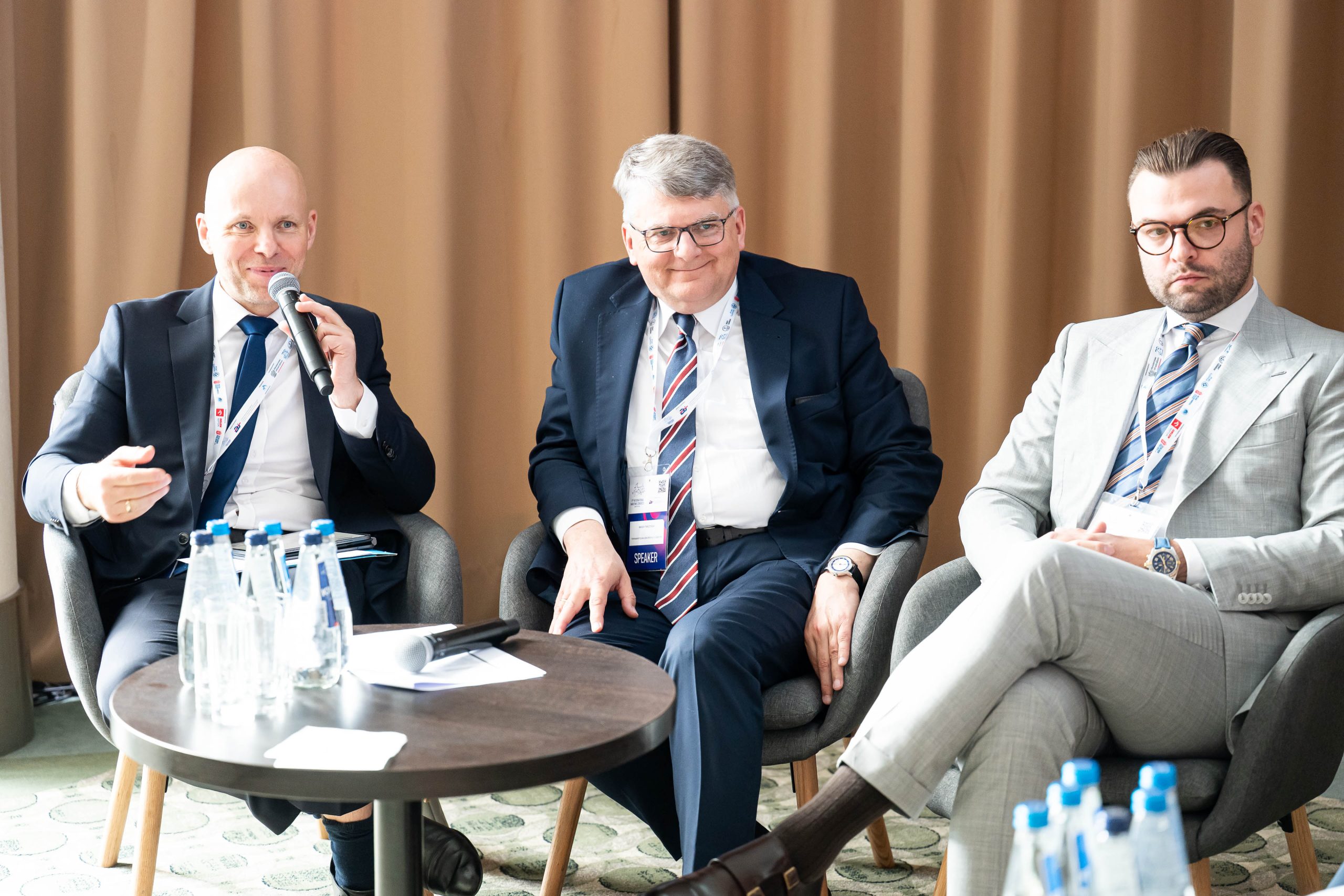
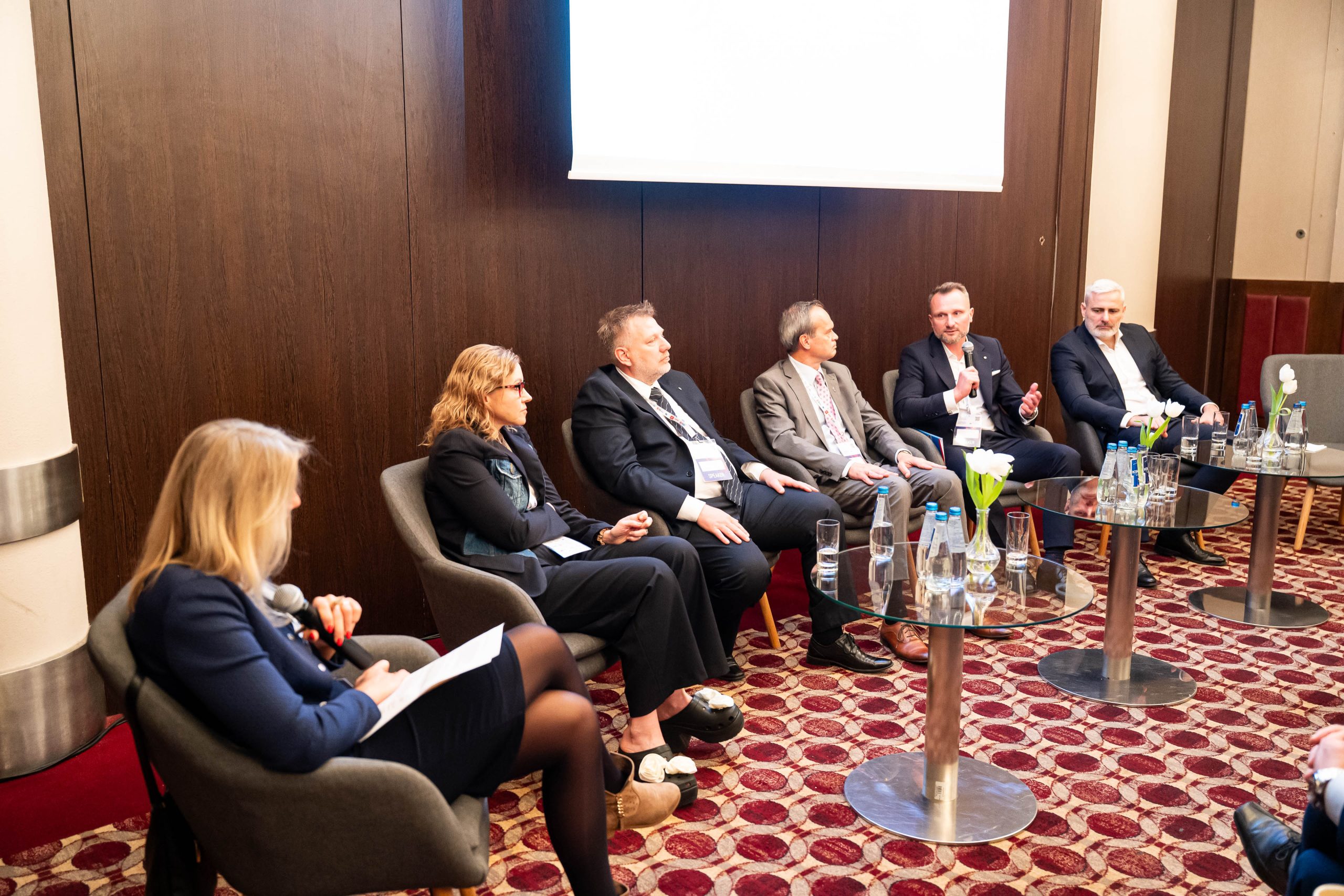
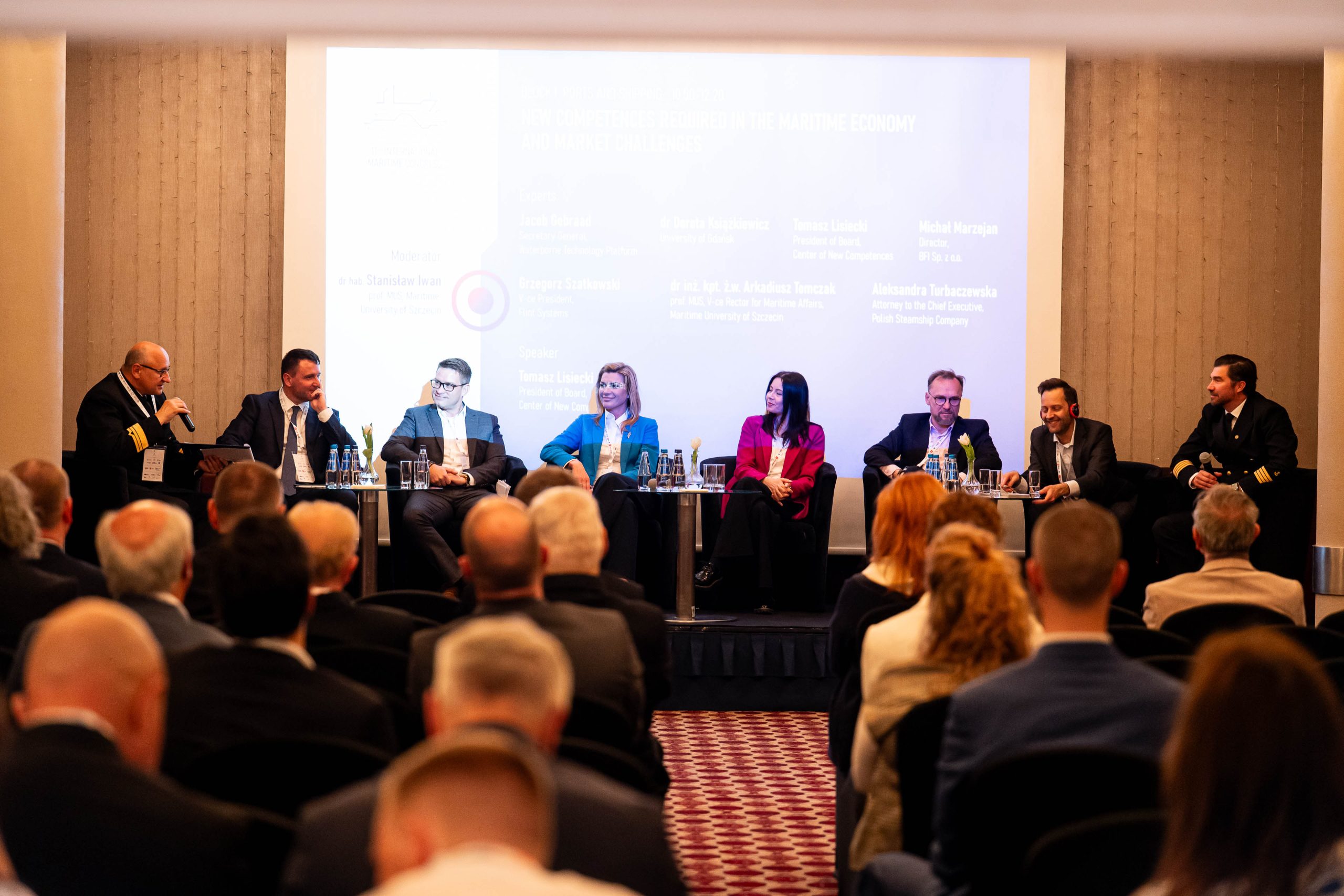
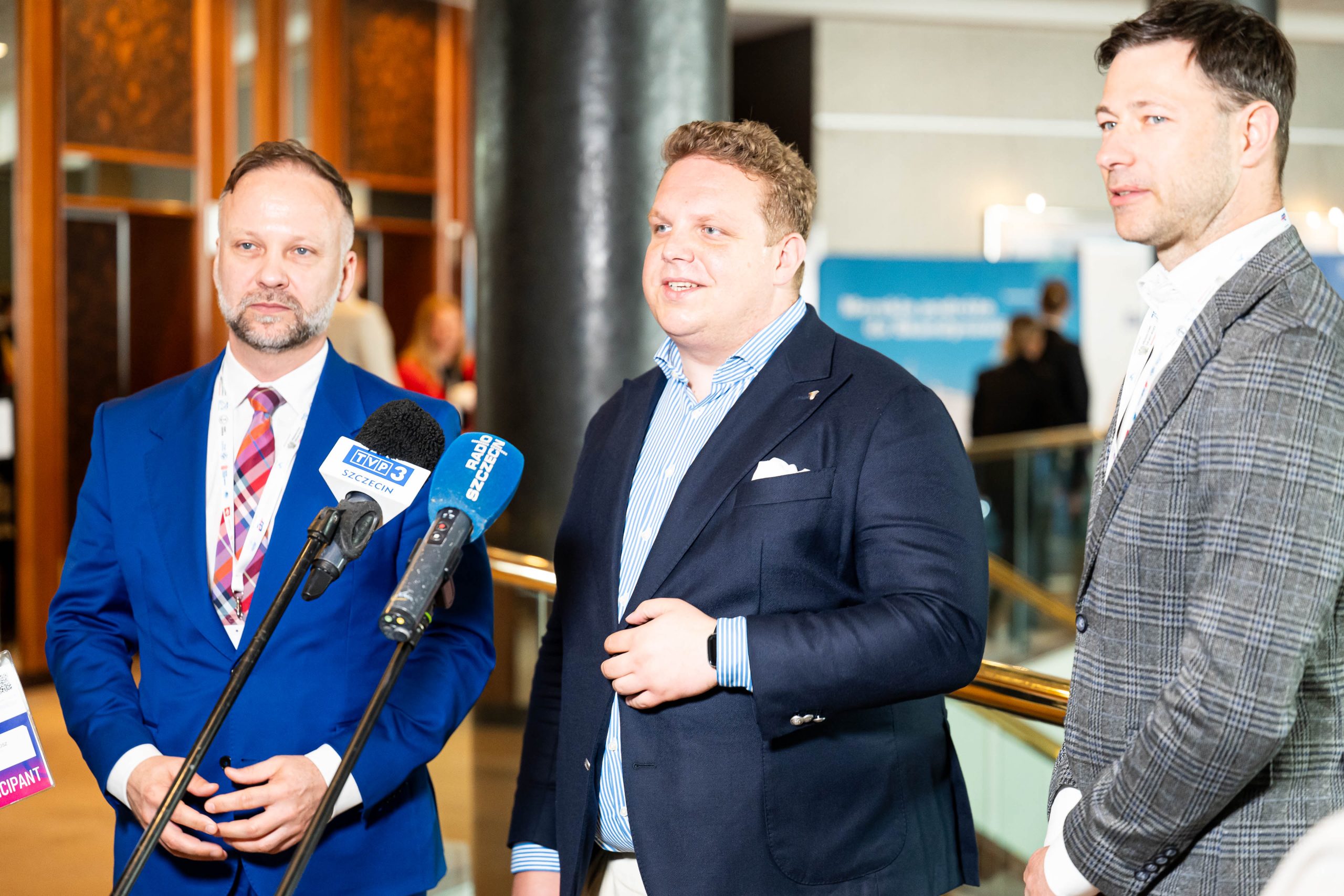
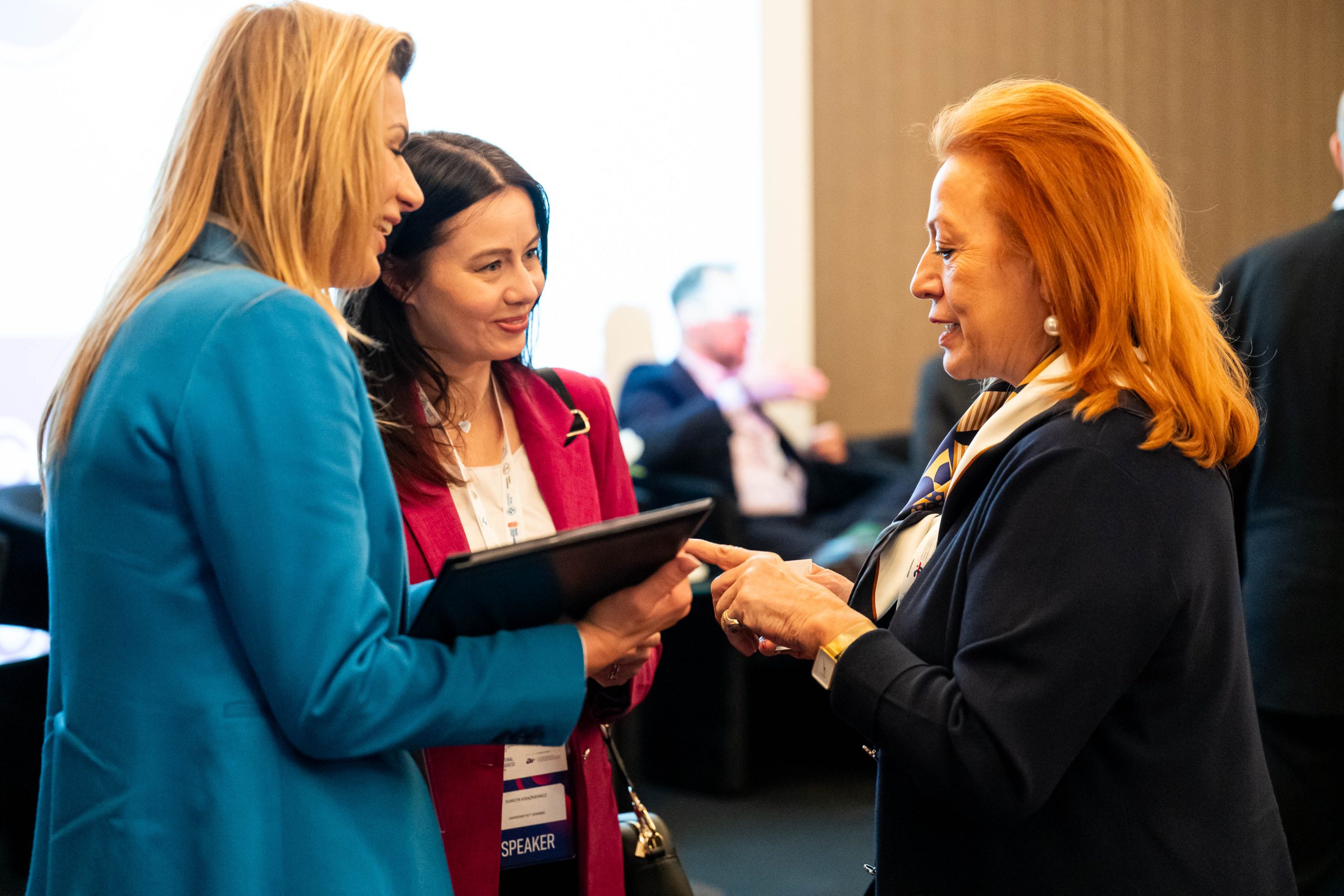
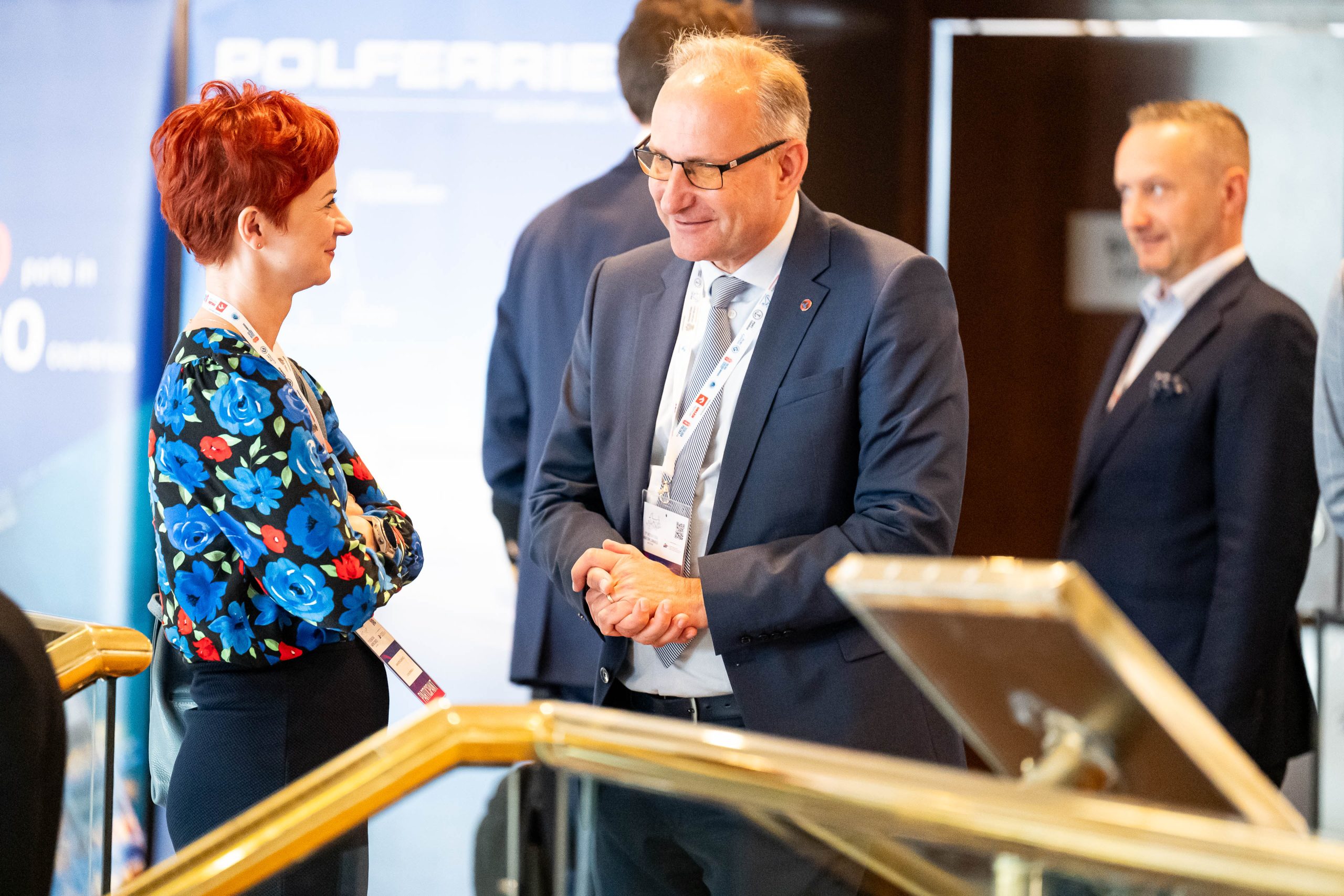
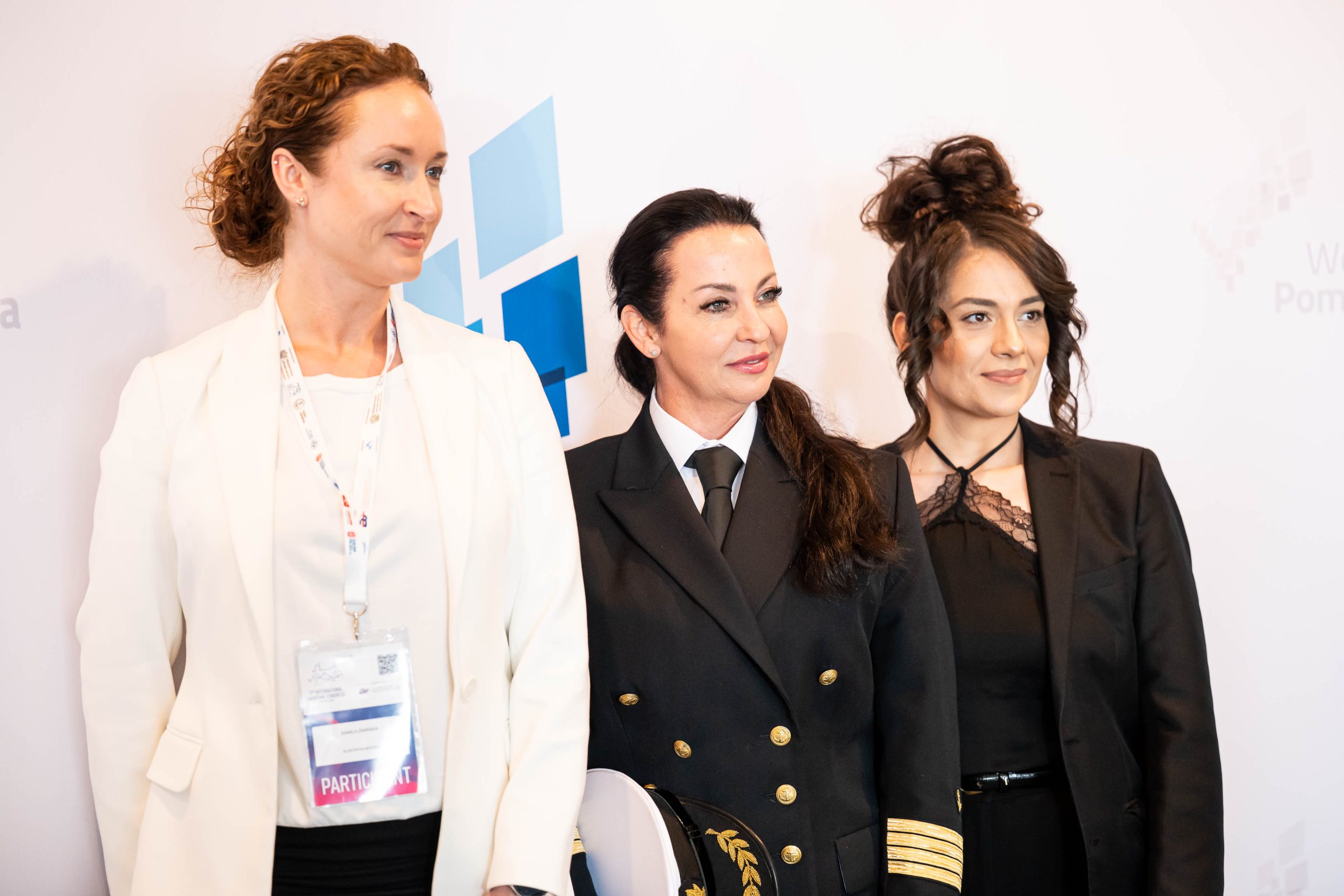
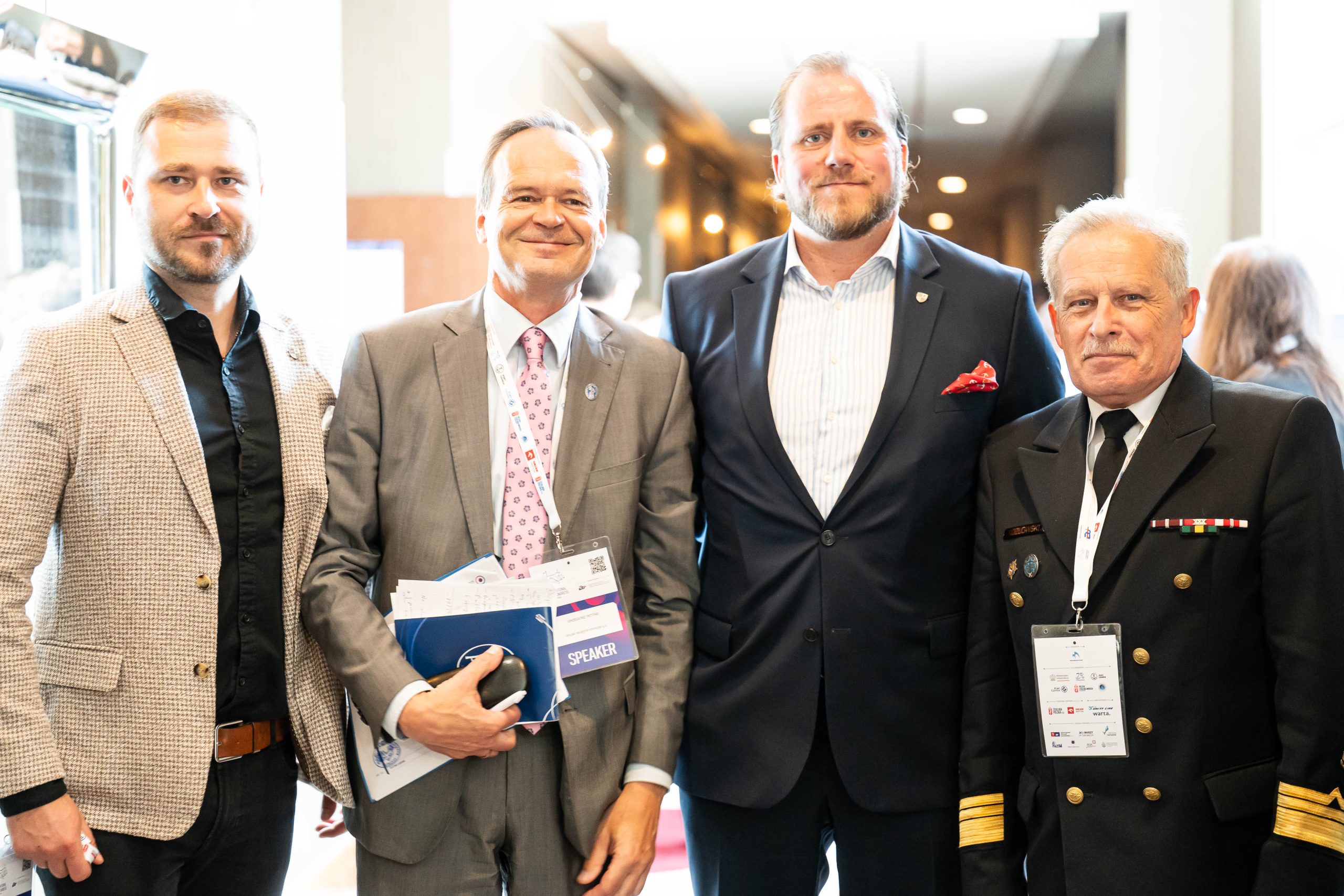
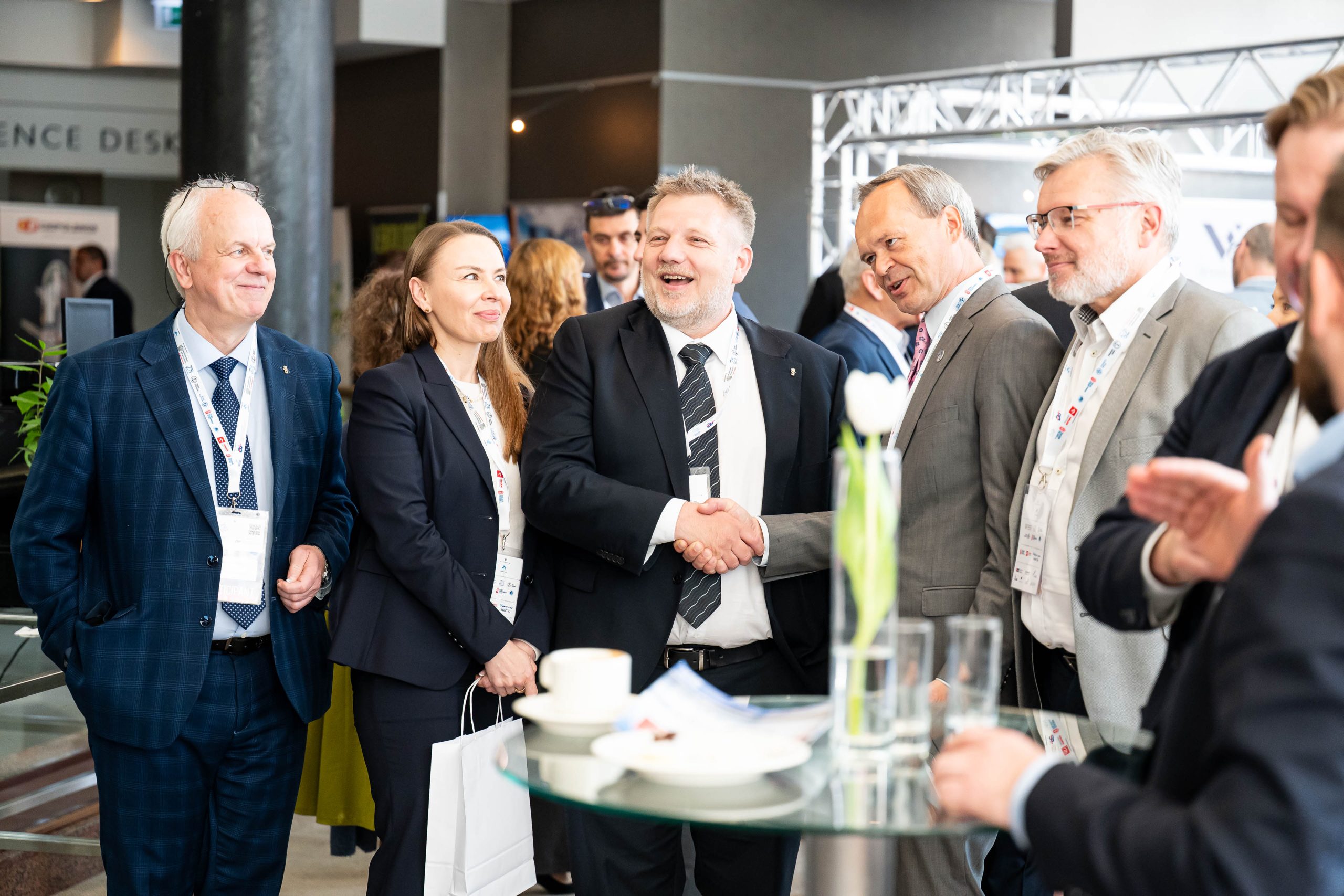
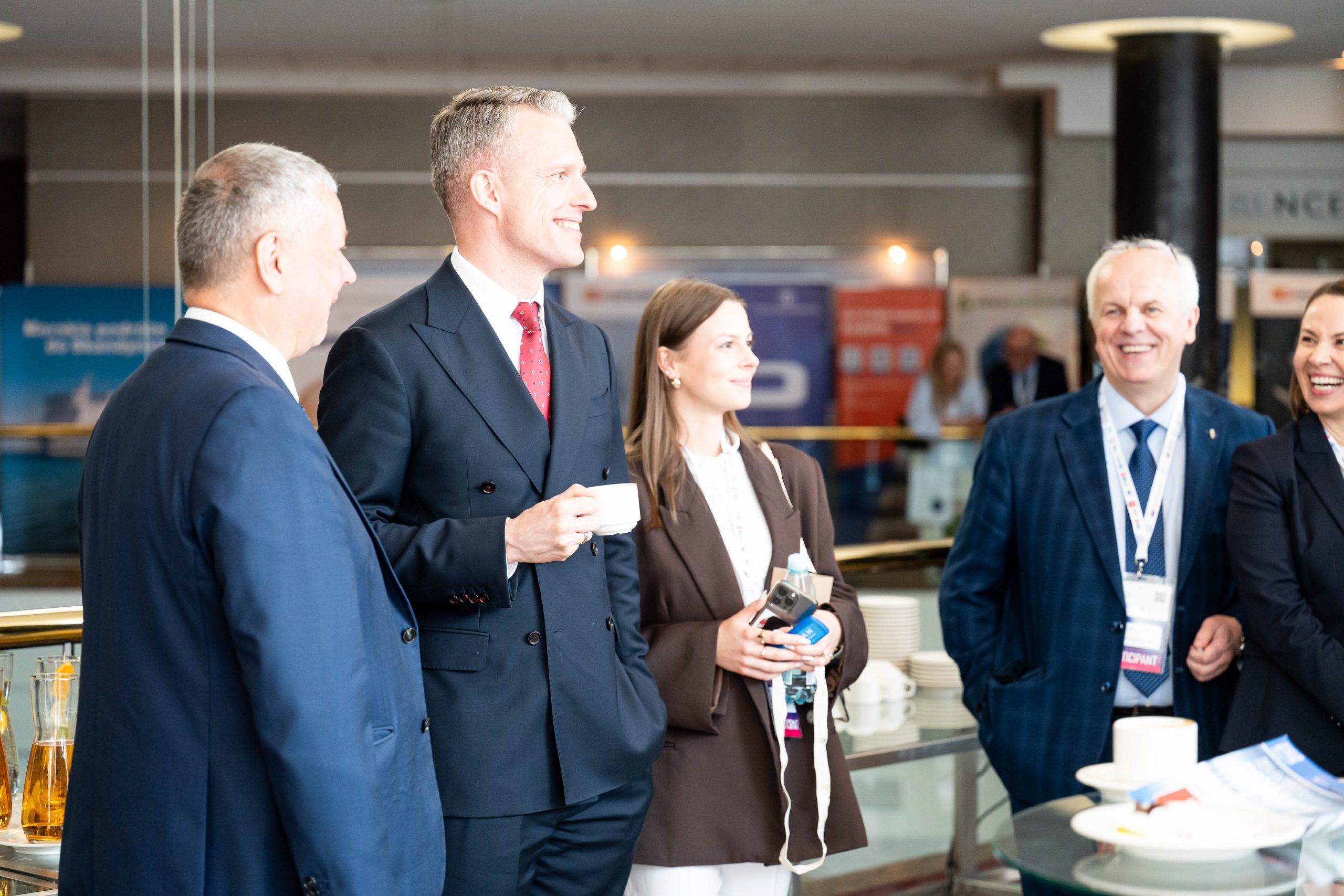
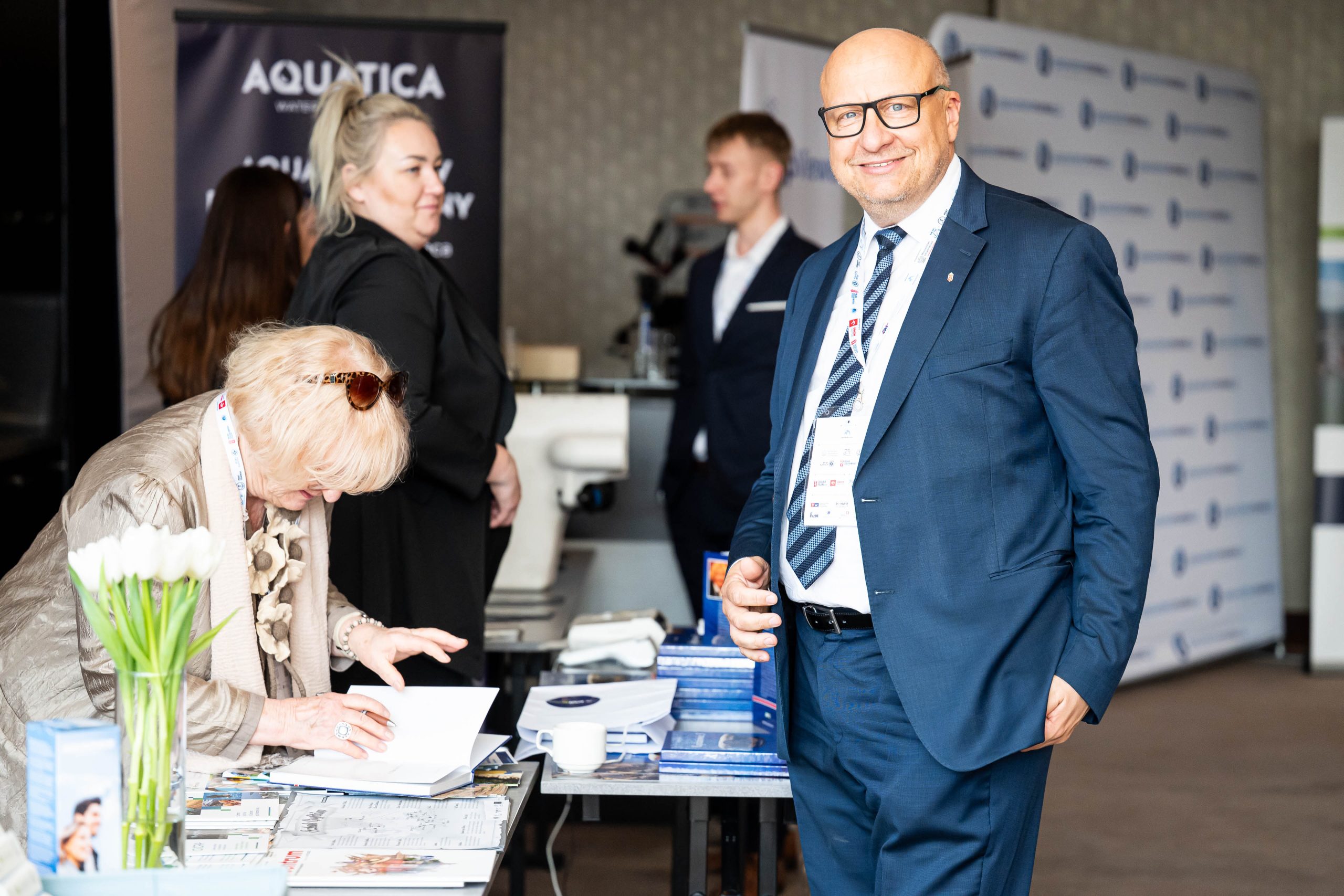
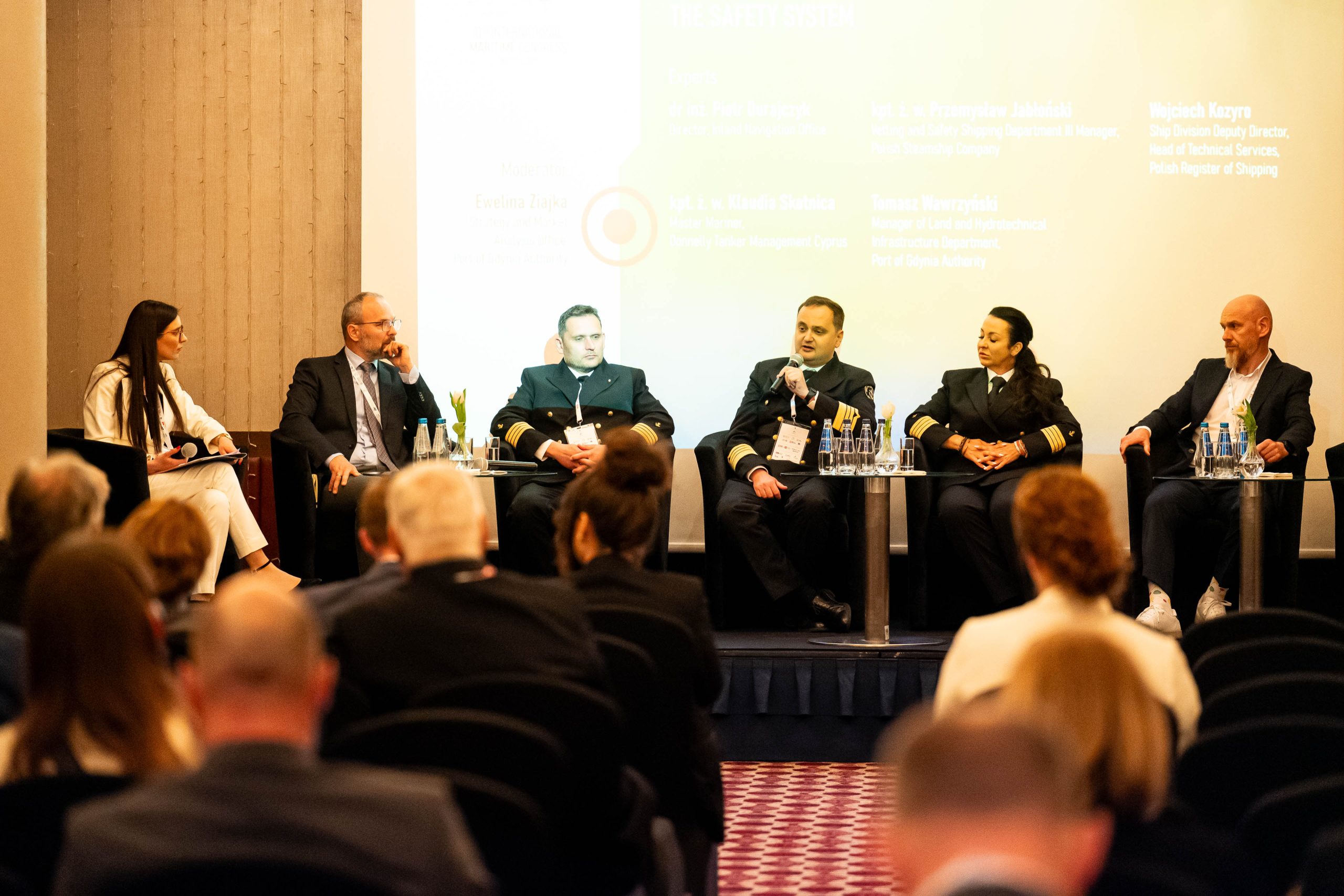
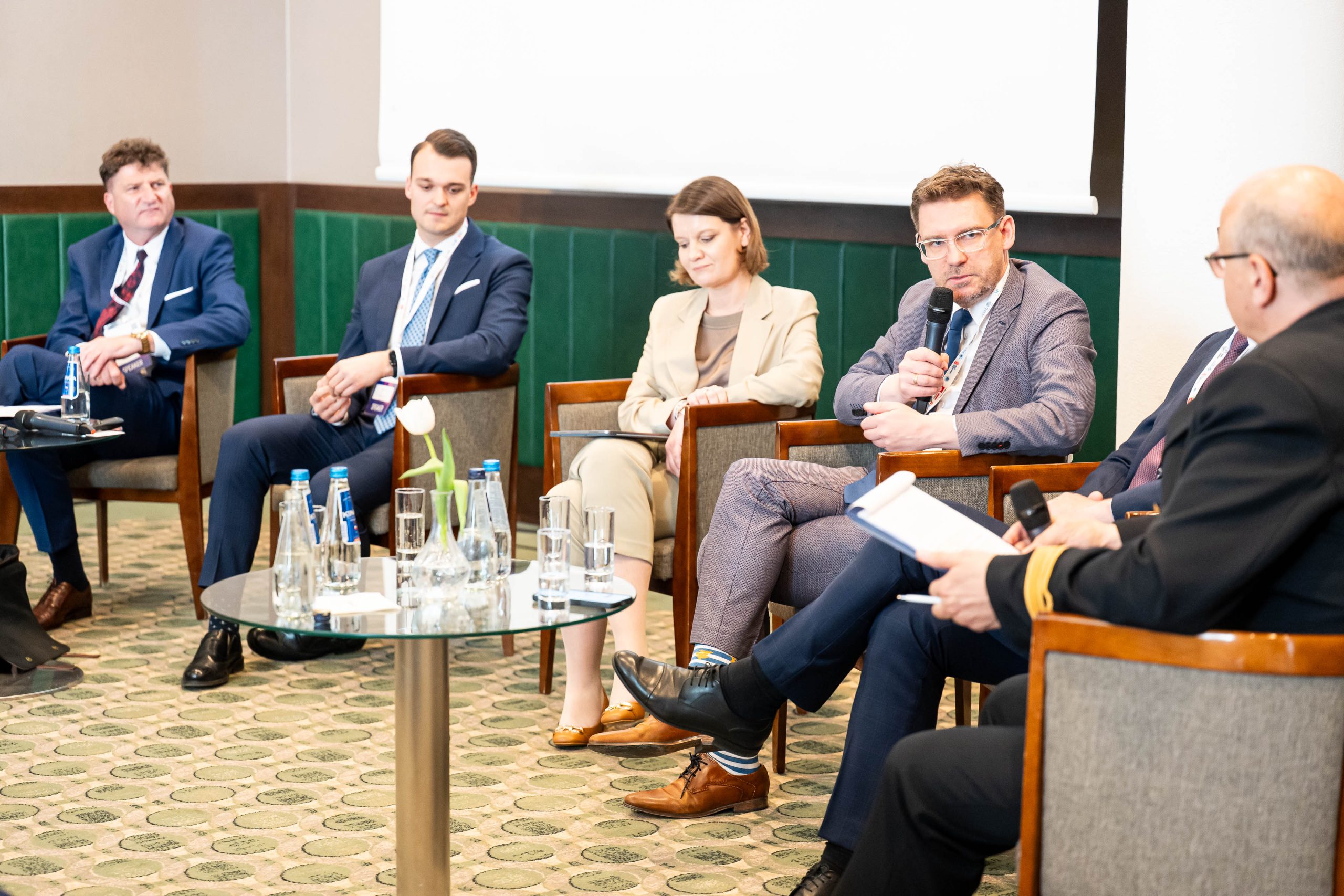
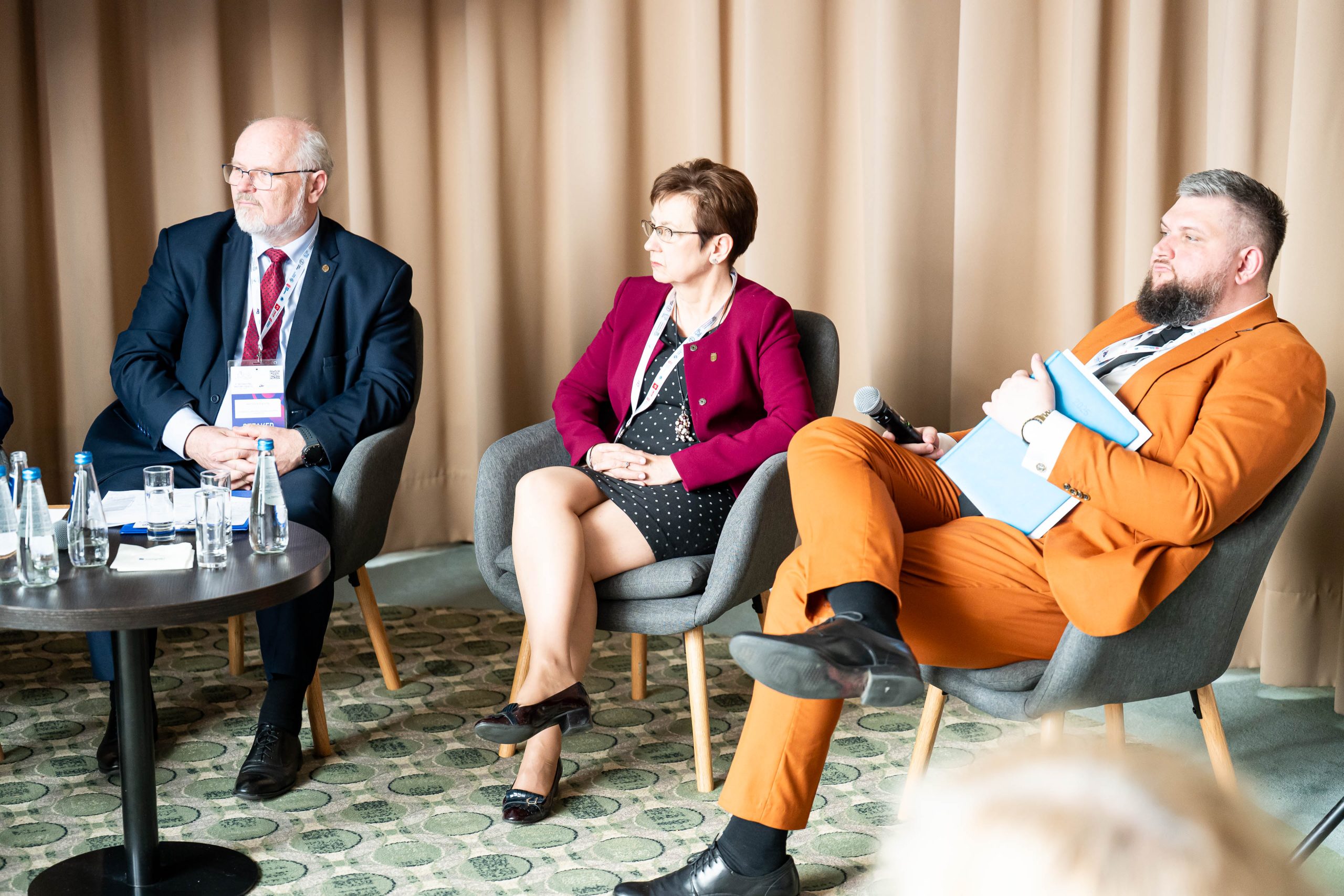
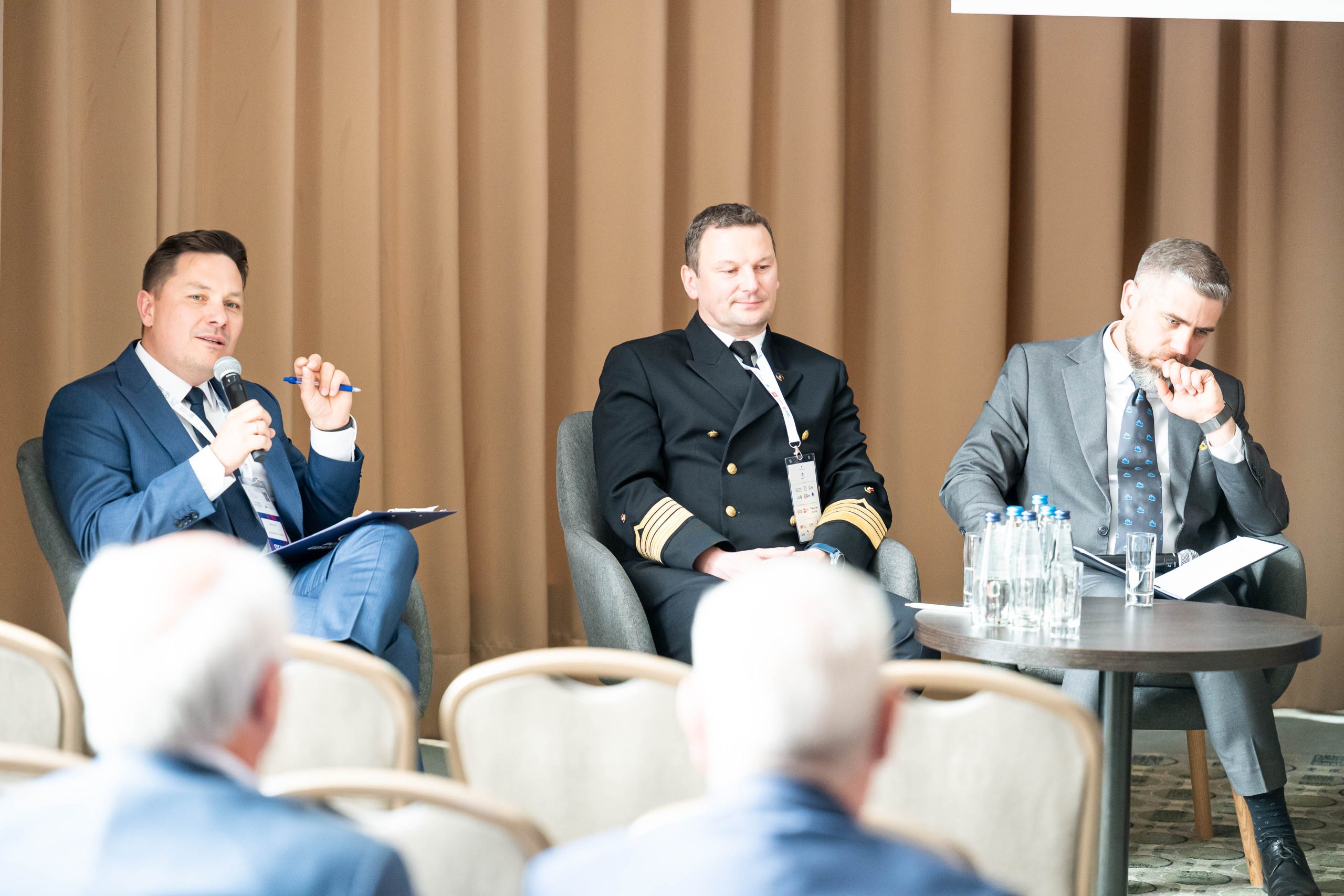
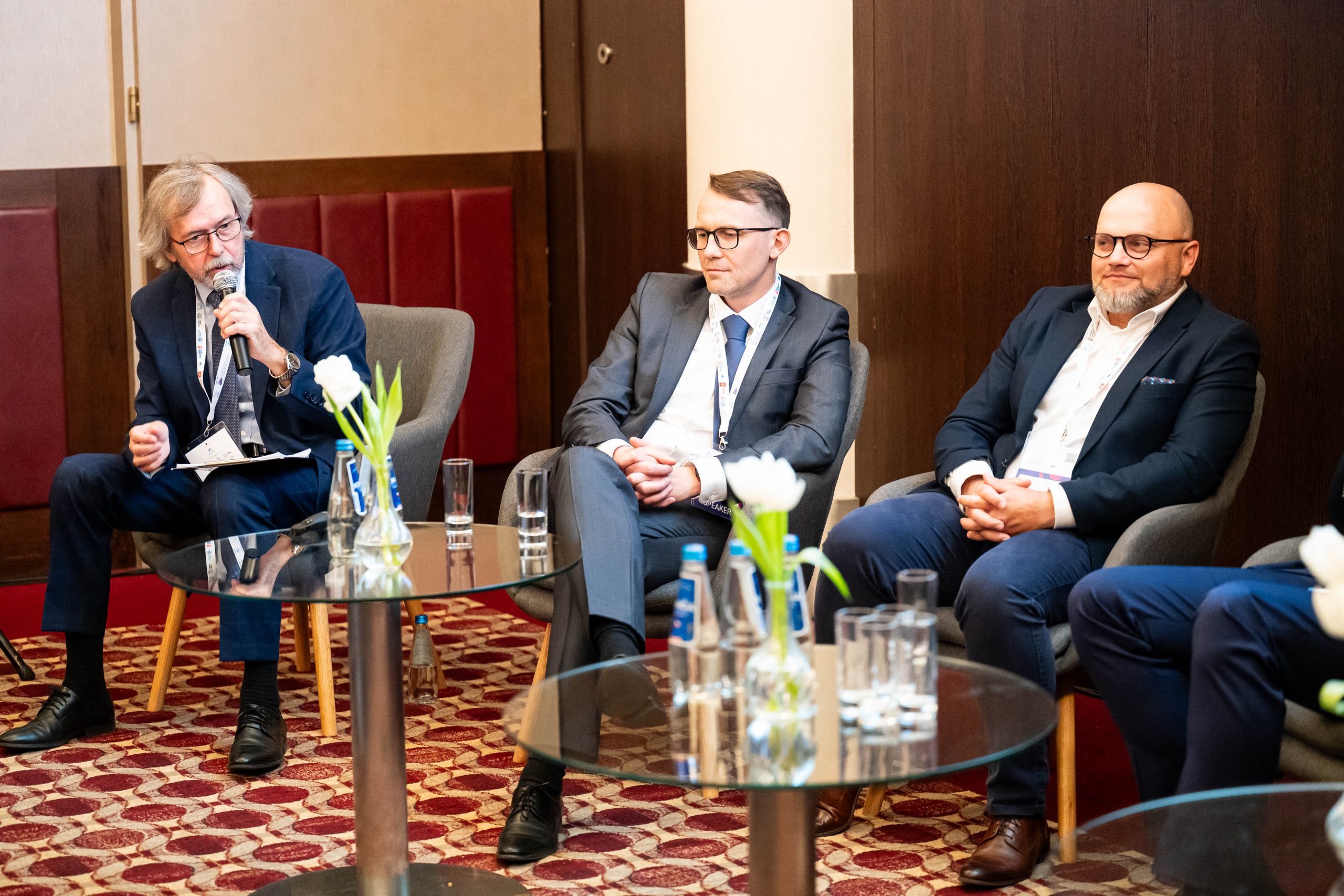
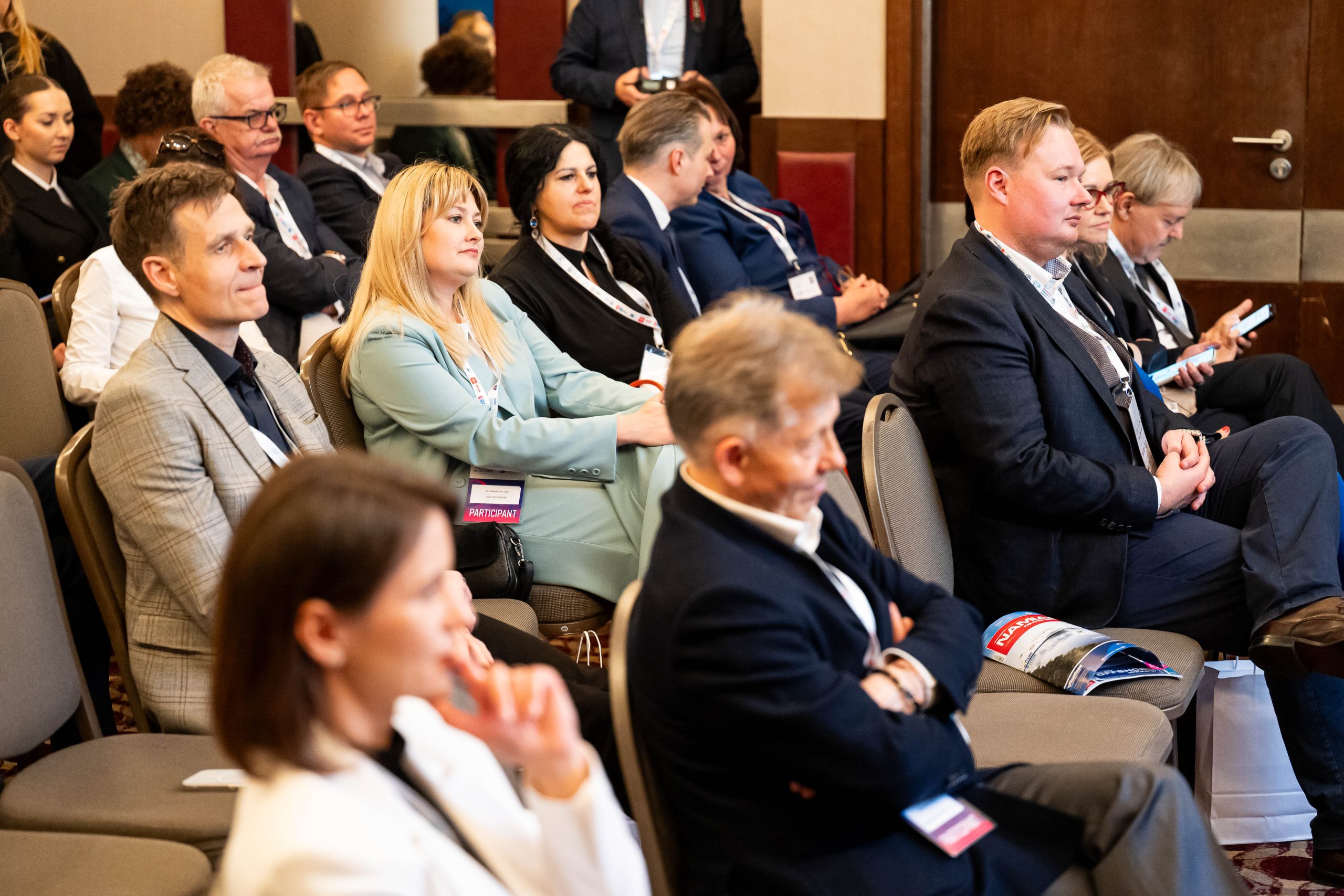
On May 15-16, 2025, Szczecin became the venue for key discussions on the future of the maritime economy in Europe. It was here that the 11th edition of the International Maritime Congress took place, which - after a one-year break - returned with a dynamic program, attracting representatives of national and European authorities, local governments, academia and the maritime sector from across the continent.
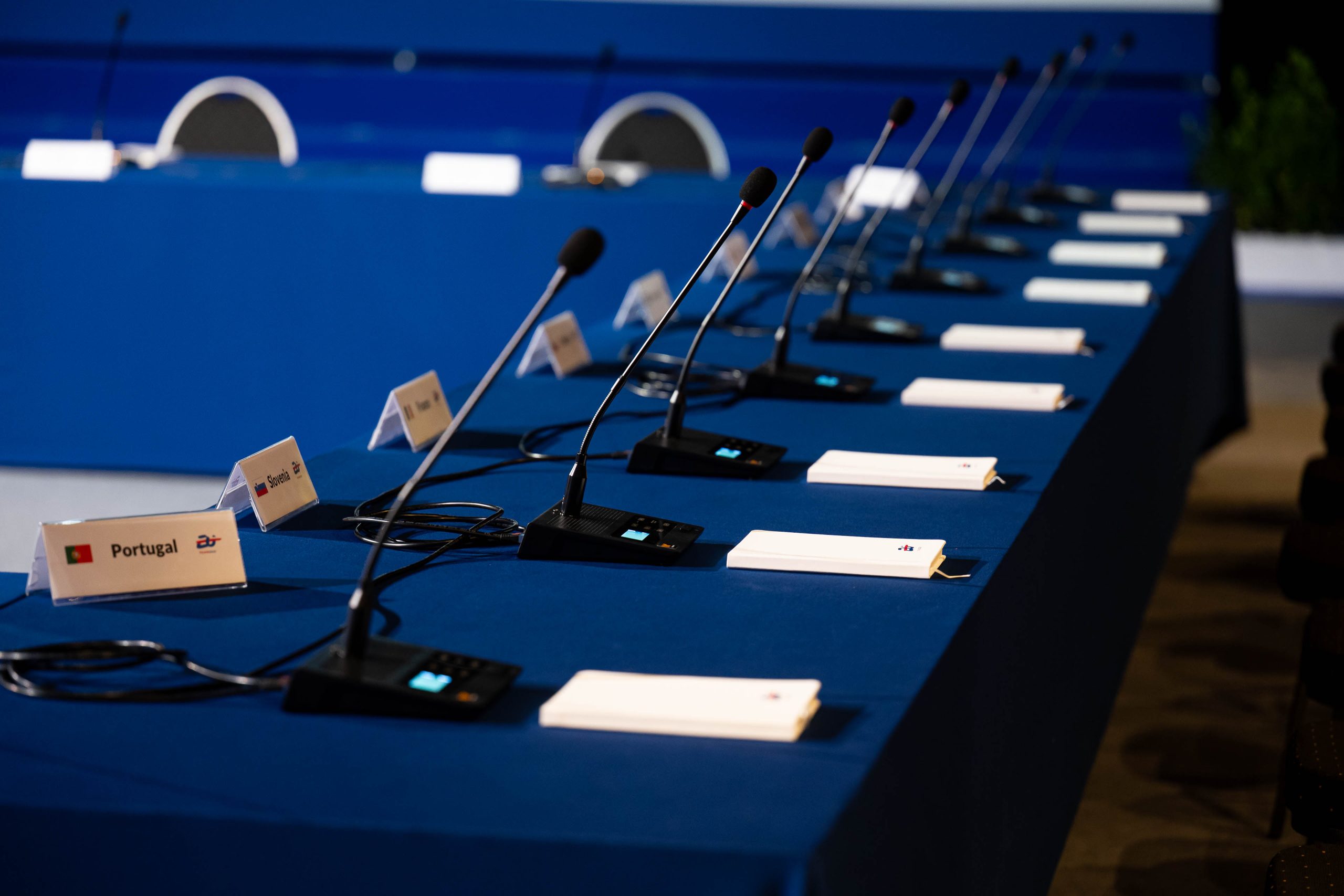
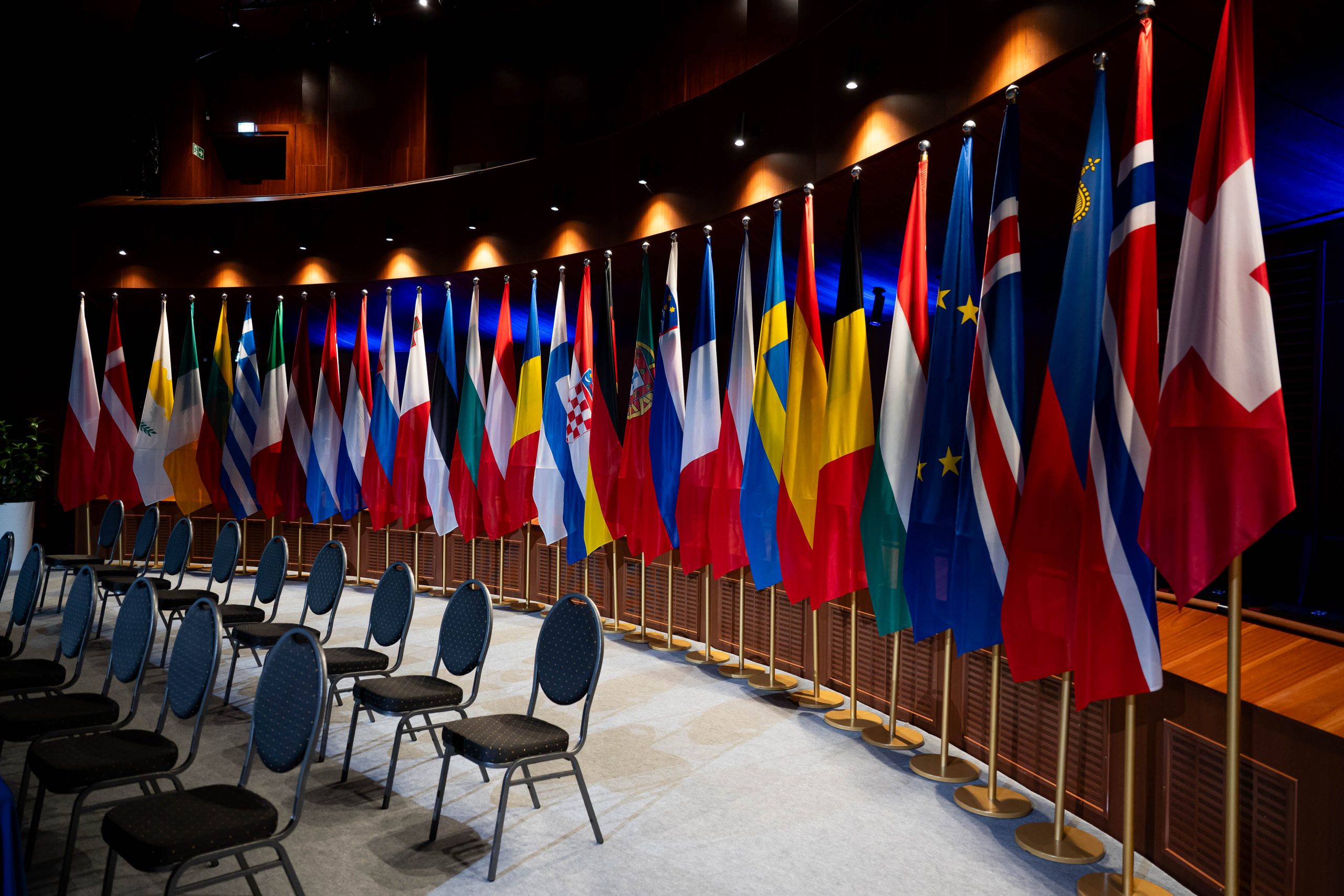
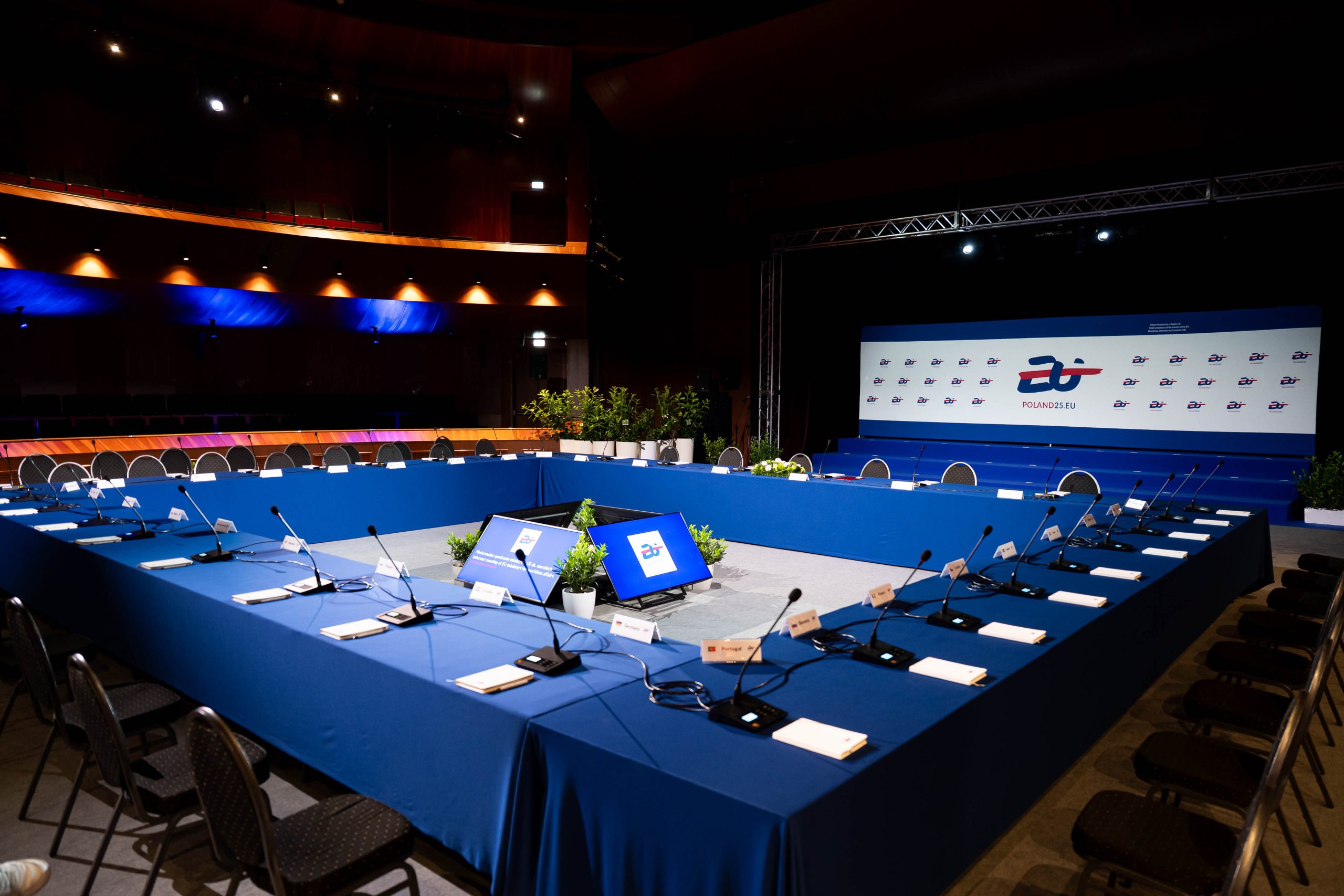
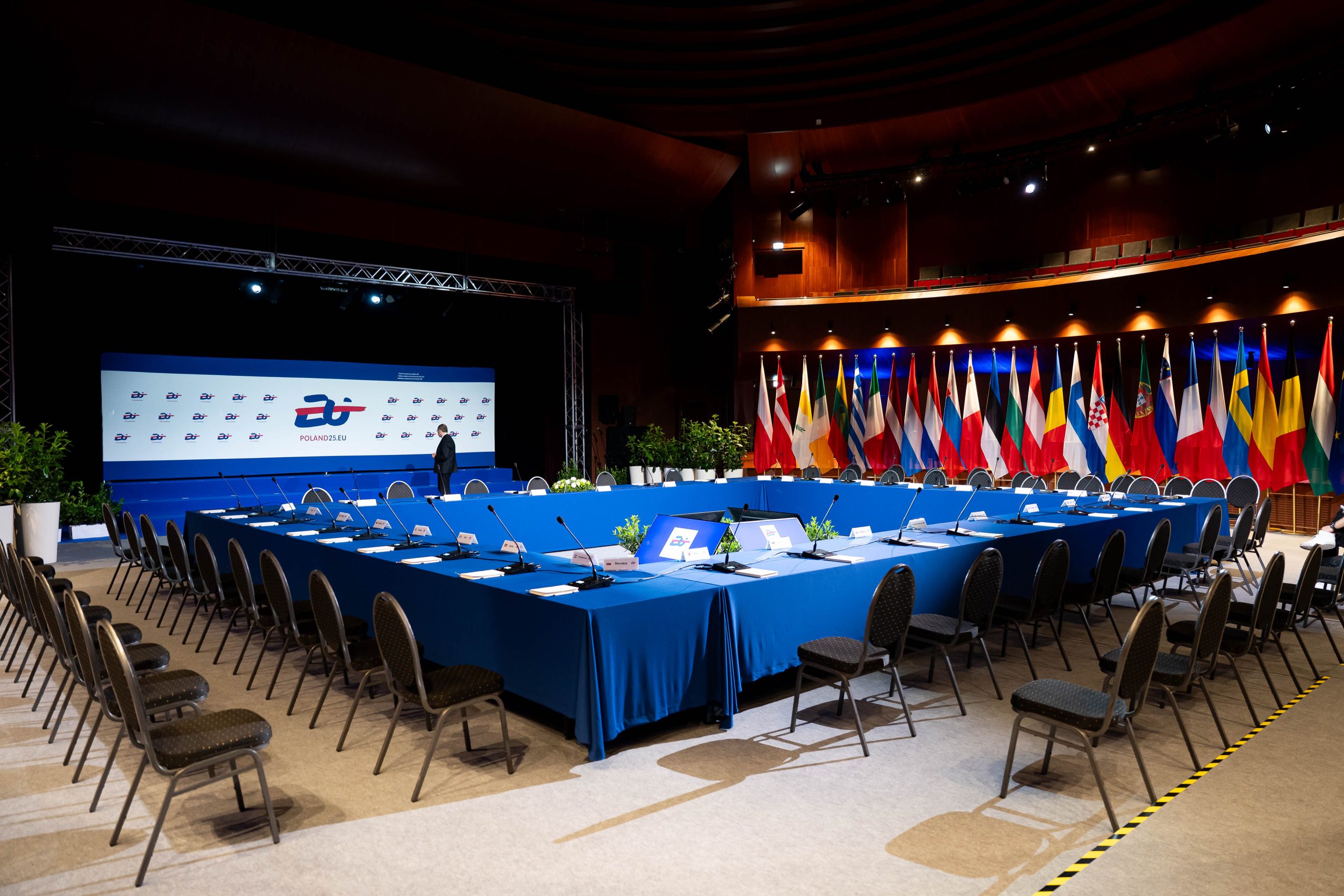
The event also included a meeting of EU and EFTA maritime ministers, in line with the Polish presidency of the Council of the EU.
A new opening for the Polish maritime economy
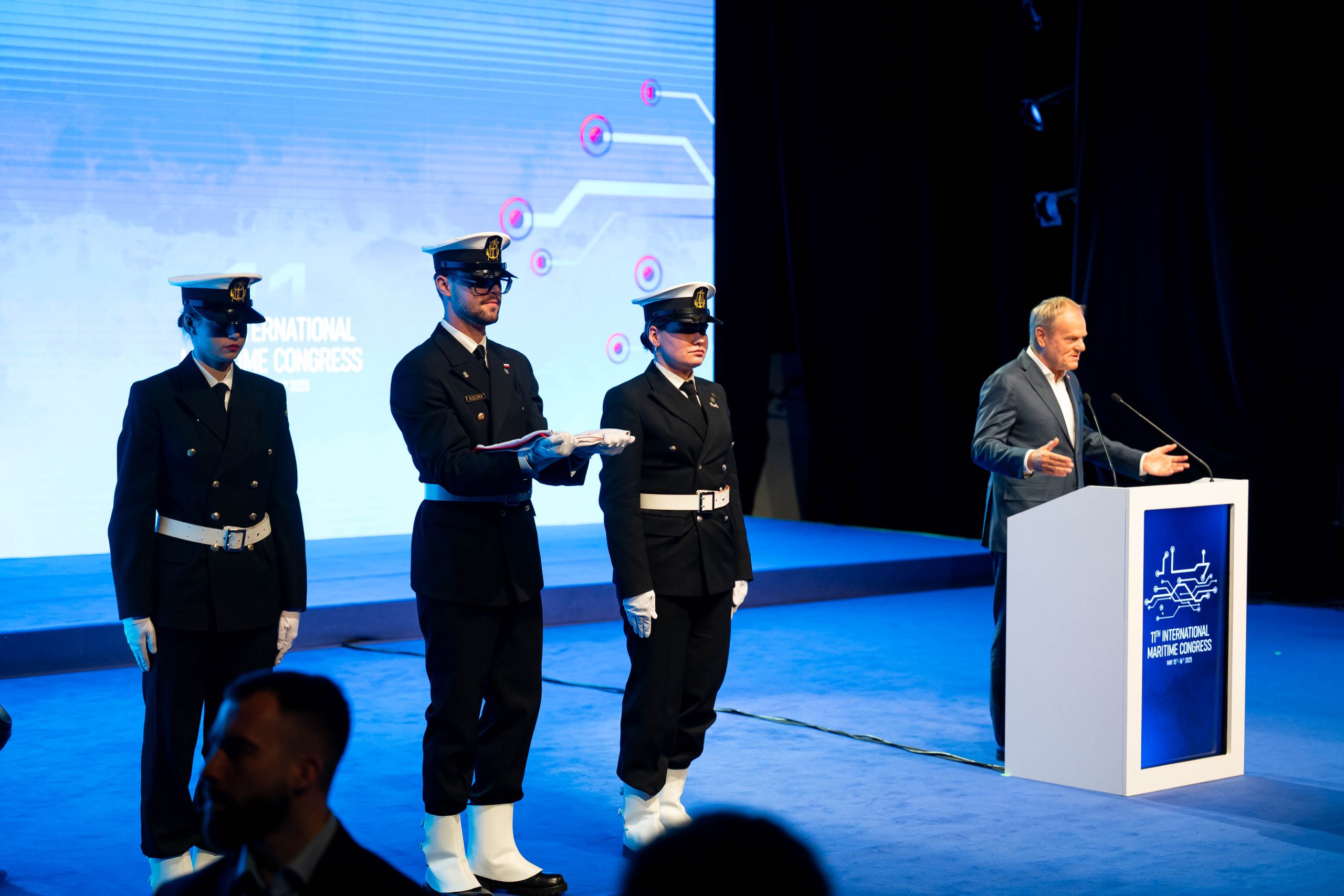
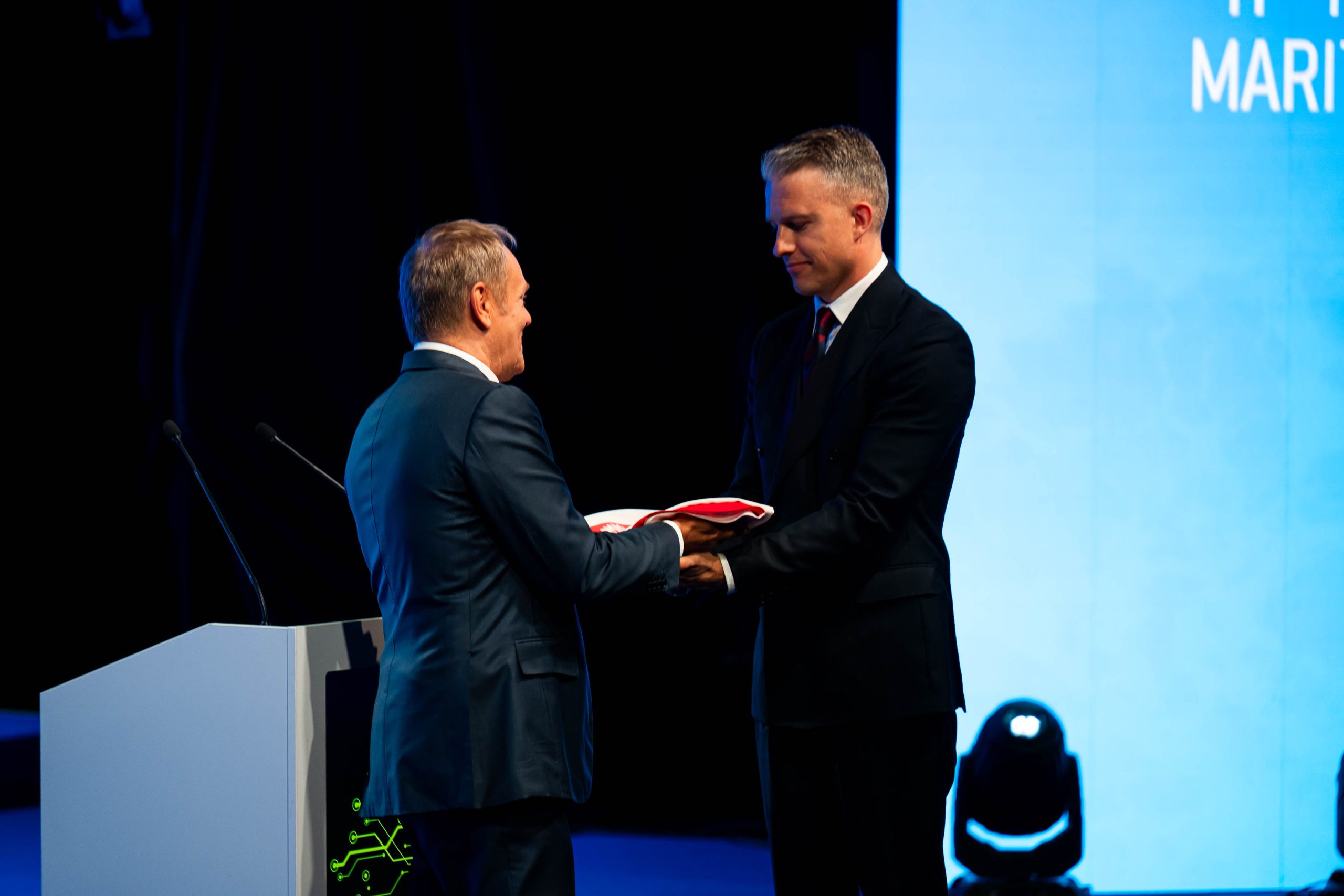
Prime Minister Donald Tusk, opening the Congress, presented the "Polish Sea" program, assuming, among other things, a tripling of transshipments in ports by 2030, strengthening the domestic shipbuilding industry, repolonization of the sector and the return of the Polish flag to ships of domestic shipowners. This was symbolically underscored by the gesture of handing over the Polish flag to Deputy Minister Arkadiusz Marchewka.
The prime minister also announced the construction of new ferries and a sailing training ship, and presented the "Baltic Warta" initiative - a plan of action for the safety and security of Baltic waters with the cooperation of NATO countries.
Direction: modern infrastructure and more support
Infrastructure Minister Dariusz Klimczak has announced strategic investments, such as the construction of the western bypass of Szczecin with a tunnel under the Oder ("Zośka"), the modernization of the Nadodrzanka River, and the expansion of the S3, S6 and S10 roads. All this is expected to improve access to ports and strengthen Poland's position on the European transportation map.
The deputy head of the infrastructure ministry also announced a support program for the construction of ferries worth PLN 1.3 billion, as well as investments in the Wulkan Shipyard and MSR Gryfia - including new halls, dock and machinery park. The first drafts of laws were also presented, including tax and insurance relief for shipowners and sailors, supporting the return of the Polish flag.
Szczecin center of maritime dialogue
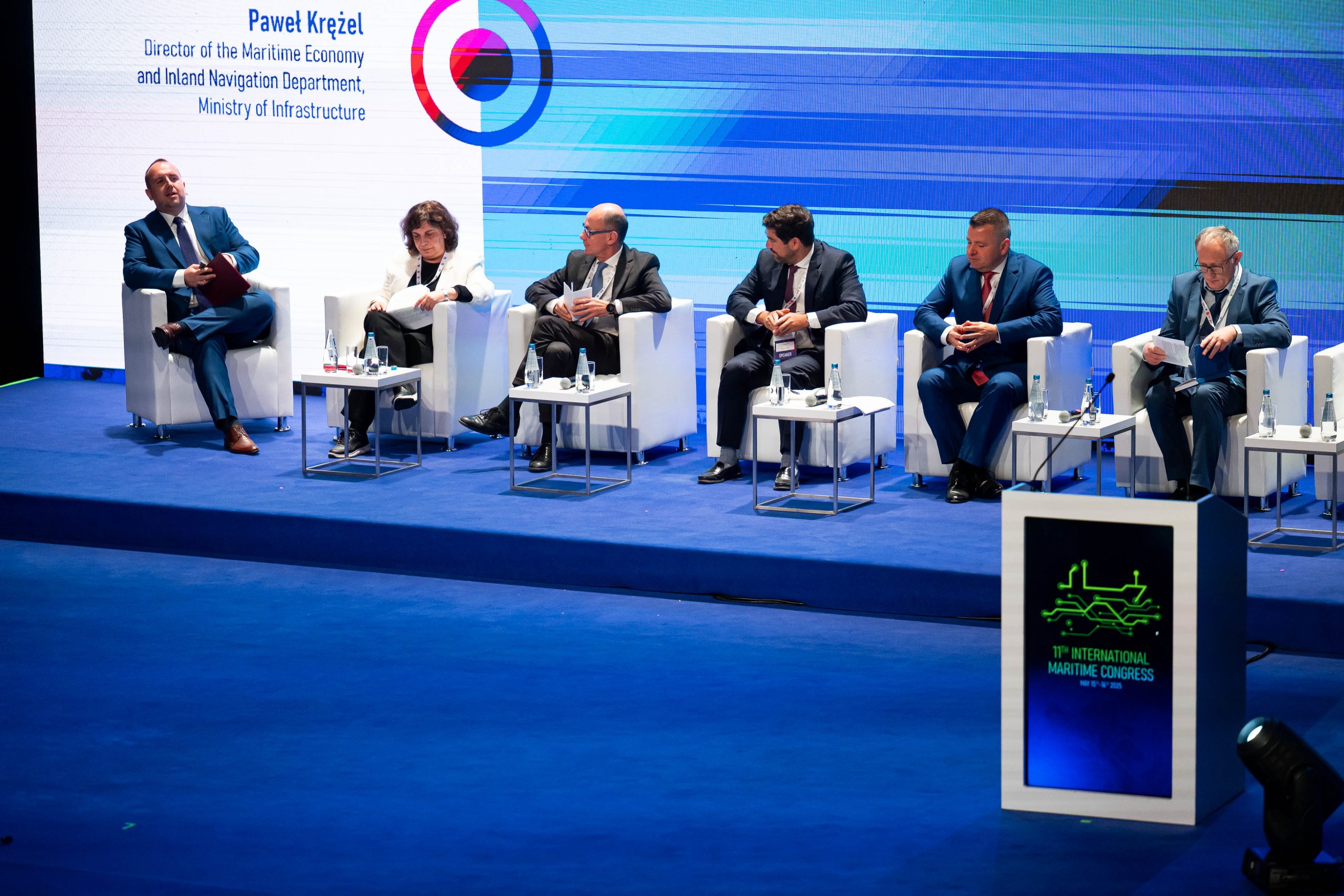
One of the outcomes of the meeting of EU ministers was the adoption of the Szczecin Declaration - a call for the creation of an EU Maritime Industry Strategy. During the two days of the Congress, 15 expert panels were held on the topics of ports, shipping, green economy, multimodal transport and offshore.
Minister Dariusz Klimczak, moreover, referred to Szczecin as the "maritime capital of Europe" - which perfectly reflects the importance of the event. Prime Minister Donald Tusk noted that, together with Swinoujscie, the city will become a major center of the national maritime economy. The congress showed that Szczecin is playing an increasingly important role in the European transport, logistics and maritime security system, and the conference itself was one of the most important industry events in Europe.